
Prove You're Human (And Dumb It Down to Do It)
 Greetings from Juergen
I just ran an essay, which I had written 100% manually, through an AI detector. I did this out of curiosity, with the Substack and Pangram integration story breaking in the last few weeks. Though I wrote every word myself, Pangram rated it as 80% AI-written. My first instinct was to see how I could avoid that score, but my "re-writing" improvements turned out to make the writing much worse.
Instead of just making my own edits, I also tried several "humanizer" platforms that have emerged. To Pangram's credit (from an AI detector POV), none of these really worked, but all of the humanizer platforms created terrible writing output.
So we're in this strange place now where the AI detectors are getting better, the humanizers make the writing much worse, and real people writing 100% manually wind up getting penalized somewhere in the process.
I designed a brand new editing tool for personal projects, which actually allows me to record audio and re-narrate any AI-assisted article, beat by beat. And funnily enough, that passes as 100% human-written.
So even though this issue is not about visual arts, it deals with what I think of as a related new problem set when incorporating AI tools into our creative workflows across the board.
Subscribe to 'The Intersect: Art in Tech and Tech in Art' podcast, a companion audio feature where we explore each week's topics in a conversational format.
SOCIETAL IMPACT OF ART AND TECH
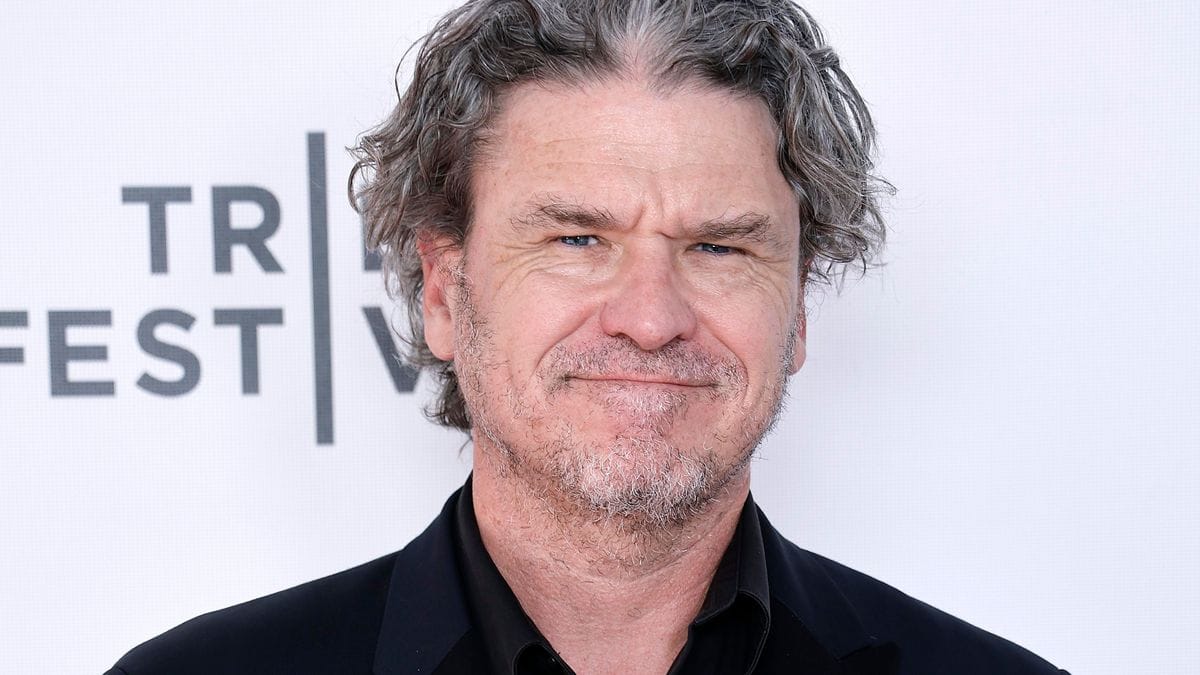
Dave Eggers Walks Into OpenAI and Doesn't Give the Speech They Expected
Do you remember the movie "Guess Who's Coming to Dinner"? Well, the guest in question came as a surprise to a white girl's parents - as her new boyfriend turns out to be black. Sorry for that comparison to a famous Sydney Poitier movie, but Sam Altman recently invited over the famous novelist Dave Eggers, to come and speak to his employees. Well, guess what? It didn't quite turn out the way that maybe Sam had expected, nor his employees for that matter.
Credit to Sam to invite Eggers in the first place. And also credit for Eggers of not mincing words.
"The effect of ChatGPT on educators' lives is catastrophic. Whether you intended to do it or not, you've made every teacher's life infinitely more difficult"
The backlash amongst artists and writers and creatives is real, but what not very many people talk about is a split into two generational camps that I seem to be detecting.
My wife, for example, belongs to the London Writers' Salon, and many experienced writers have incorporated AI successfully as editorial assistants to improve the quality of their writing. This is usually an older cohort. Seasoned visual artists have used technology in one form or another and incorporated it into their work for decades. David Hockney, for example, using fax machines in his paintings, comes to mind.
Then contrast that with a younger cohort who just reject AI outright in any shape and form. They object to AI having touched any part of the process, be it writing or visual arts. For them, it's not about the quality of the work, but principle.
So in an age of emerging AI detectors, are we willing to dumb down the quality of our work just to prove that we are 100% human?
The next story brings us back to the visual arts, but on the same topic: having a label that proves your photos were actually taken with your real camera and not AI-generated.
AI IN VISUAL ARTS
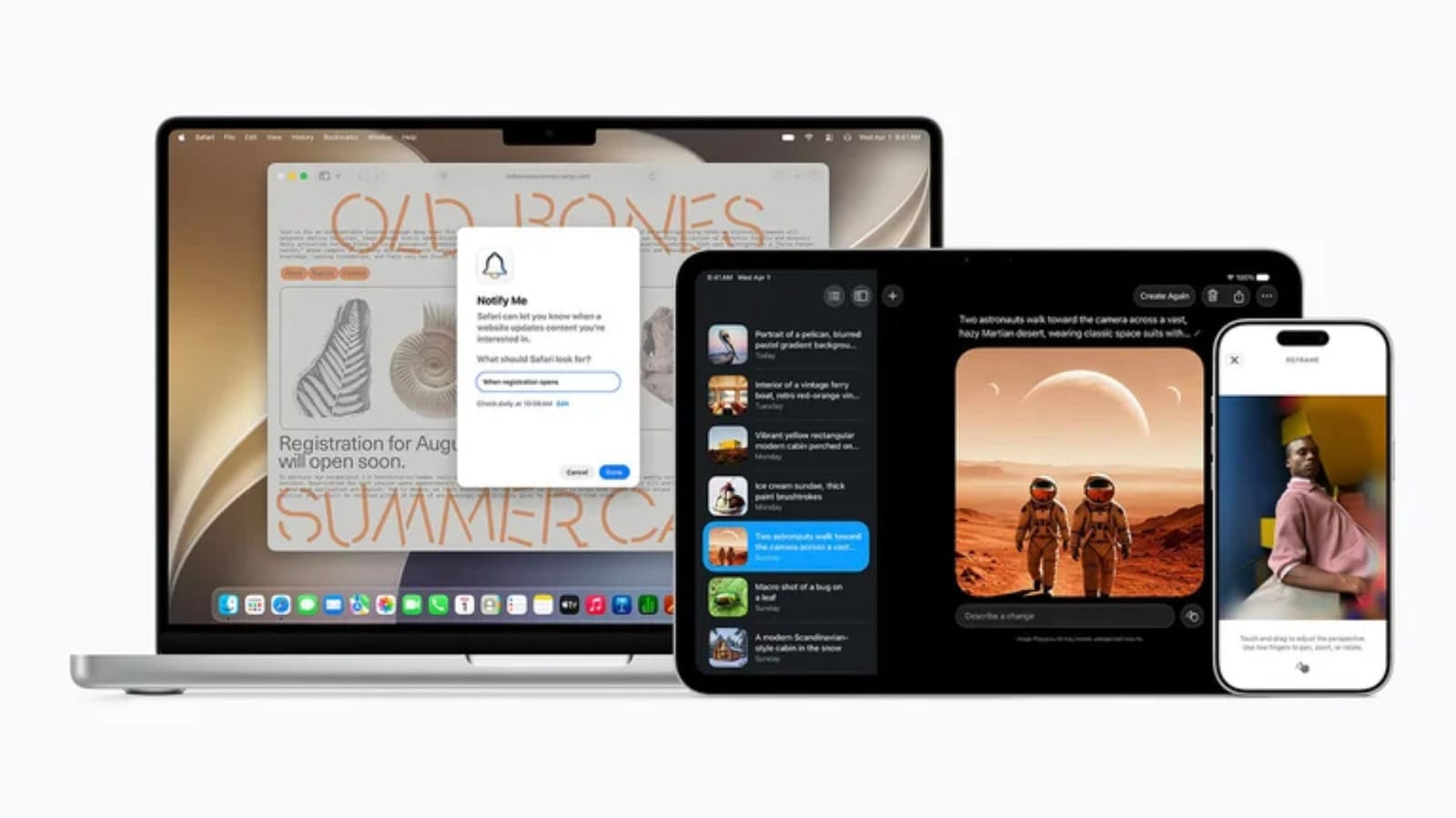
Apple Wants to Prove Your Photo Is Real. But What Counts as Real?
So here's a refreshing alternative to AI detection. It is human detection. Anna Washenko recently wrote a story at Engadget to update us on iOS 27, and the fact that Apple is bundling a photo authentication tool into it.
What's different here is that it guarantees the photo was taken by a human, rather than trying to detect AI-generated images.
As a photographer, of course, I tend to geek out on the details, because even if a photo was taken with an iOS camera, or with an equivalent Android device, there is a lot of AI-assisted stuff happening behind the scenes.
Noise removal, upscaling, resampling, color correction. These all involve some level of AI. It becomes a philosophical issue around what constitutes a photograph. But let's leave that aside for now.
The Engadget report asserts that resources for checking the authenticity of an image in the age of AI slop are more important than ever.
Okay, I won't disagree with that, but this same question of having to prove the provenance and authenticity of work is what runs through the rest of this issue .
Substack's partnership with Panagram has brought the conversation about AI detectors and humanizers to the forefront in the creative community. The next couple of articles that came to my attention this week explain the conundrum and response in the creative community pretty well.
ARTIFICIAL INTELLIGENCE AND CREATIVITY
Substack's AI Scanner and the New Purity Test for Writers
Paul Frazier of Parasocial Magazine recently interviewed Pangram CEO Chris Best about his new partnership with Substack. Pangram is arguably the best AI detection tool out there, and he's called what his tool does "Claudefishing." I think his aim is to help people be aware of investing attention in words that no human created. The scan is optional for now. Writers can add an AI policy label called a "How did I make this" note. So it's a form of disclosure, not necessarily enforcement. Fine as far as that goes.
I work for an arts nonprofit, and we deal with many younger artists who are terrified of being found out to have used AI in any form. That younger cohort rejects AI outright, and for them it becomes a game of gotcha. Scan, screenshot, out someone publicly. The question of whether AI-assisted work could ever be an improvement never enters the equation.
Substack itself cautions that the tool detects whether AI was used, not whether human care went into the work.
The trouble is false positives land on people writing 100% manually. That gap is where publishing gets stuck. Most book publishers now want a 100% human score, which no manual writer can guarantee. So you end up editing your own honest prose to read as human, often by dumbing it down rather than making it better. When did proving you wrote something start meaning making it worse?
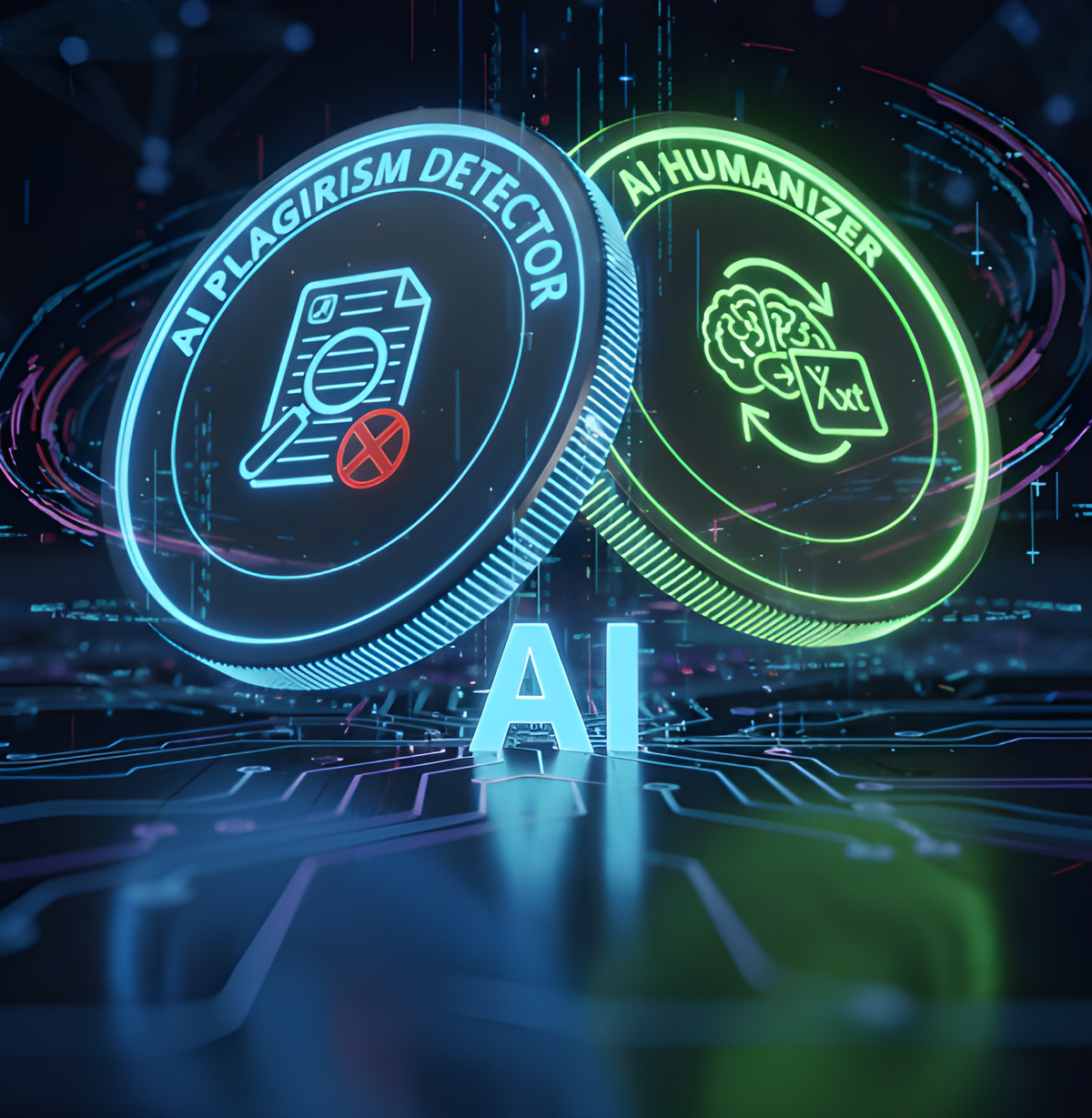
AI vs AI: Why the Detector-Humanizer Arms Race Is a Losing Bet
Here's a thought: ALL arms races are losing propositions.
In the real world, with real arms and deadly weapons such as drones or AI autonomous killing machines, humanity loses in the process. But don't let me get started on that.
What's playing out in this issue is a much lesser form of an arms race about AI detection versus humanizers that are built to try and fool them. To my point, it's a losing proposition.
For those who pay attention to such things, there's been a lot of brouhaha lately around Substack more or less forcing writers into disclosing whether they use AI-assisted, AI-written tools or not. But the end result is that everyone is shooting for 100% human label. Among the many stories, Anushka Sarkar published one in Sonar about this playing out.
LLMs are built to predict the next most likely word in generating language. So large language models are basically predictions, and that is how Pangram is able to detect whether a predictive model was used in any written text. And it's pretty foolproof - past 95% accuracy.
On the other side of this losing fight are humanizers, and they inject mistakes, wrong punctuation, weird expressions into the text and make the writing and end result much worse, though it may pass as being 100% human in the process.
The solutions I'm working on basically allow me to take AI-generated concepts and texts, like from an editorial assistant or brainstorming collaborator, and then narrate and paraphrase these myself out loud through recorded prompts, ums and ahs trimmed out. And that, as it turns out, gets graded as 100% human.
I feel this is fundamentally different from humanizers that are making the writing worse and interjecting fake punctuation and mistakes. Because what we're doing is not a way of fooling Pangram and tools like it, because the text really is 100% human. It is just me narrating something out loud with a little help in punctuation and grammar. Which admittedly I need. But at the end of the day, I feel that form of assisted writing is legit.
I wonder what other solutions are out there that similarily strive for being ethical in nature?
THE LAST WORD
Thanks for reading this week's issue, even if it was a little out of band in terms for the visual arts. But whether it's a blog post or an essay or a long Instagram or LinkedIn post, I keep thinking back of now having to prove that these are human-created.
Over to you. I'm really curious to hear your view on AI powered editorial assistance, or your use of AI in your creative workflow. Does proving that your own work is labeled "100% human" by any AI detector matter to you?
Member discussion