
What the Camera Lost When It Stopped Needing You
 Greetings from Juergen
I was a professional photographer in New York City back in the '80s. Back then, this involved a lot of manual processes and running back and forth to the lab. I started as a lowly assistant, walking down to 23rd Street where our lab was several times a day. We were working 11 by 14 view cameras, and getting it right the first time was super important. A wrong shot would result in 2 trips to the lab and a wasted half day.
Contrast that to photography today and the instant nature of digital cameras that are getting smarter and more automated by the minute. Making decisions and even cleaning up or post-processing photos to remove distractions, for example.
What this issue is about is nostalgia for manual processes. When a camera can do anything, then the question becomes what's worth doing and deciding on by hand.
In other words, not every automation is a good idea. For example, colorizing an Ansel Adams photograph, and then having the Chutzpah to try and sell it as an improvement.
Subscribe to 'The Intersect: Art in Tech and Tech in Art' podcast, a companion audio feature where we explore each week's topics in a conversational format.
AI IN VISUAL ARTS
Coloring In Ansel Adams: The Worst Idea in the History of Ideas
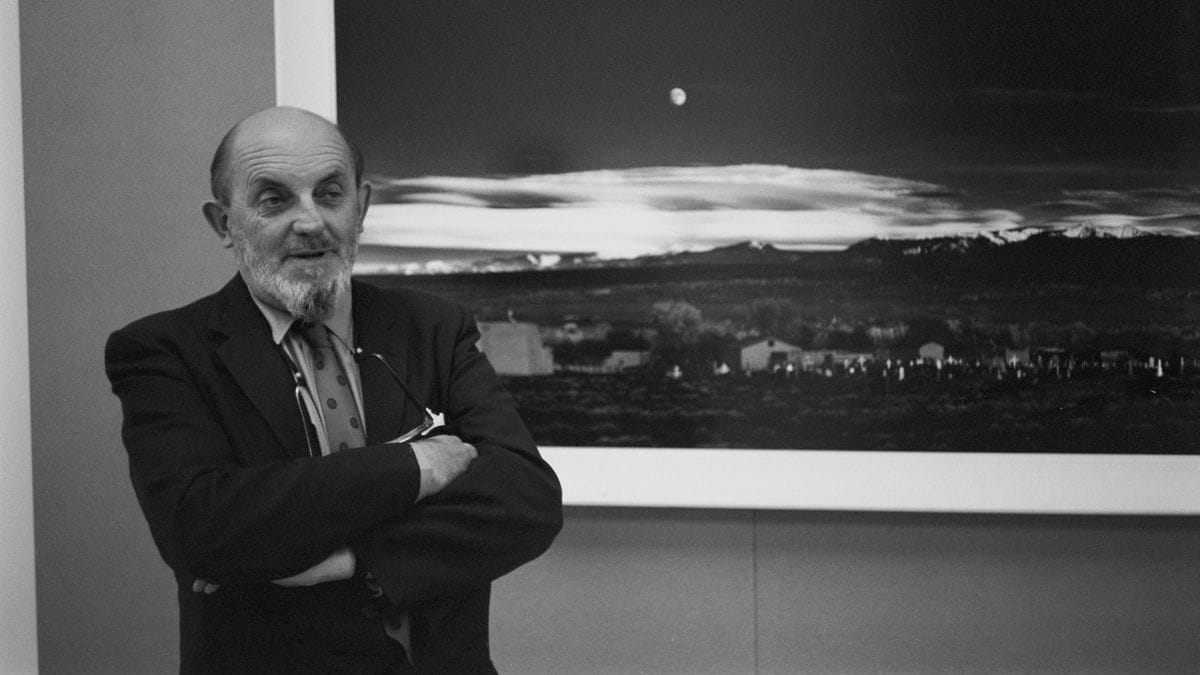
Cheyenne MacDonald reports at Engadget that the Ansel Adams Publishing Rights Trust has condemned an AI-colorized version of "Moonrise, Hernandez, New Mexico." It reportedly went up for sale at AIPAD's The Photography Show via Danziger Gallery, with no human artist credited and no permission asked. The Trust says it was never consulted, requested the work's removal, and got stonewalled.
Of all the ideas, ever, in the entire history of ideas, the notion that Ansel Adams could be improved by color must be the worst. Adams spent a lifetime teaching us that grayscale was a choice, not a limitation. The whole point of "Moonrise" is the tonal drama: the black sky, the glowing crosses, the silver. Add color and you have not enhanced the photograph. You have argued with the man who made it, and lost.
The Trust did not authorize, endorse, consent to, or acquiesce in the "AI-generated color version" of "Moonrise, Hernandez, New Mexico."
The Trust itself says this is not really about AI. Adams was apparently thrilled about computers reshaping photography. The rot is older than the tool. It is the assumption that an artist's deliberate choices are just defaults waiting to be overridden, and that a famous name is a billboard rather than a responsibility.
This issue keeps circling the same ground: when a tool can do anything, that is precisely when "can we" quietly swallows "should we."
Overriding Adams treated his black-and-white as a default to fix. The next app does the opposite: it adds friction on purpose, making you wait a full day to see what you shot.
PHOTOGRAPHY
The Wait Isn't the Lesson: On WorthWait and What Film Actually Taught Me
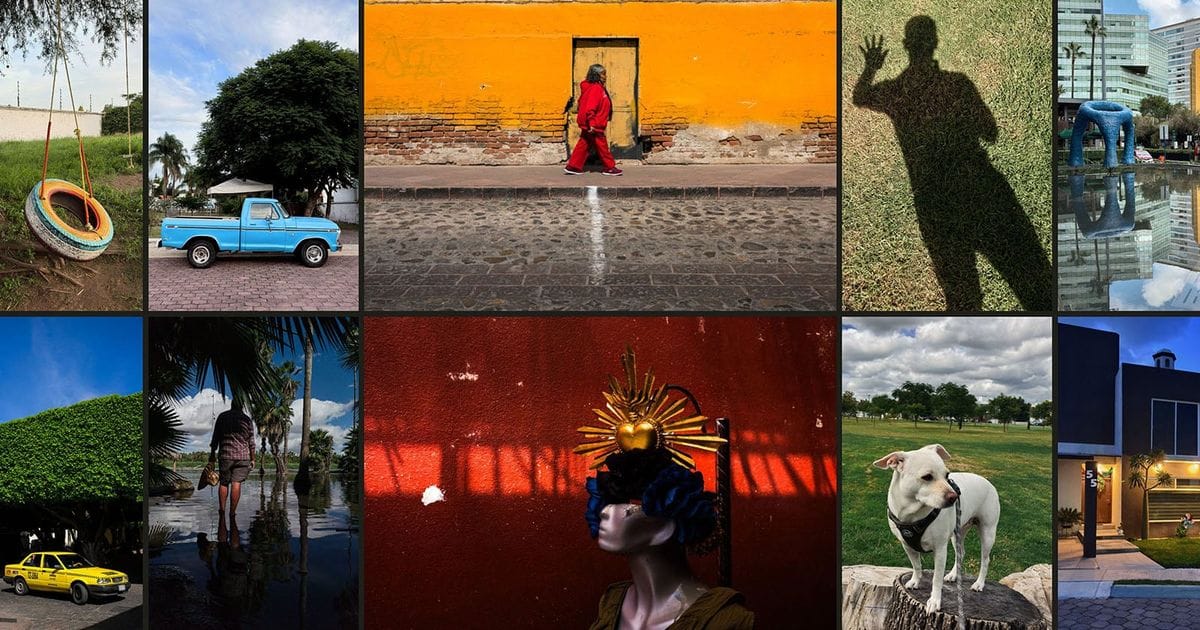
A new iPhone app wants you to wait a full day to see your photos. Jeremy Gray writes at PetaPixel that Mexico-based documentary photographer Dennis Berti built WorthWait to recreate the disposable-camera ritual: 24 or 36 shots per roll, a locked 35mm lens, four simulated films, and 24 hours of suspense before anything appears. The delay, Berti insists, is a feature, not a bug.
I learned on pinhole cameras, barely knowing what the frame would look like before I developed it. So I get the romance. But for me the wait was never the teacher. Cost was. Film was expensive, you might carry two rolls, so you composed every frame with real care. Even now, digital and free, I shoot three or four exposures of a scene: stripping out distractions, recomposing, hunting for the essential thing. That editing-while-shooting is the valuable part.
As Berti says, the waiting period is not a technical limitation, but an intentional decision.
Which is where he and I part ways. Modern cameras fixed exposure; they never fixed composition. Baking in a fixed 35mm lens, to me, defeats the purpose. What I want is a camera that helps me see distractions and reframe in the moment, live, not AI slop after the fact. The reward I chase is fewer shots to reach the best one.
Would a tool that learned your framing and nudged you toward it be coaching, or just a crutch with better manners?
An app simulates film's constraints in software. Herb Ascherman just keeps the constraints, hauling a 15-pound camera and mixing platinum by hand. One imitates the slowness; the other never left it.
The Platinum Holdout: Herb Ascherman and the 15-Pound Camera
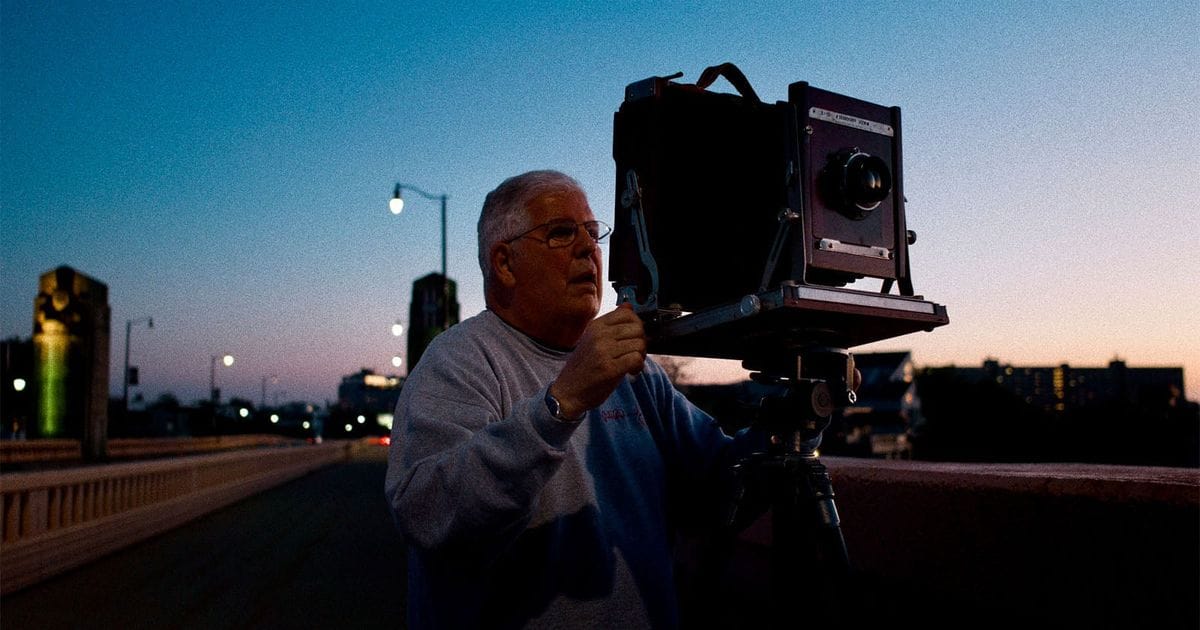
A short documentary called The Eye of Cleveland is making the festival rounds, and a guest contributor at PetaPixel used the city's baseball moment as a hook to introduce the man at its center. Herb Ascherman has spent four decades photographing greater Cleveland on an antique Deardorff 8x10, making more than 9,000 portraits. Thirty-two of them hang in the Cleveland Museum of Art. He is also one of the last people alive still doing platinum printing, a 19th-century process he founded a whole society to protect.
This one lands close to home. I one time, I had the privilege of printing, for Berlin exhibitions, some New York Times photographs of the airlift after World War II. These large-format black and white exhibition prints took an enormous amount of time to create. So I have a soft spot for anything this old-school and slow.
Curious crowds form when he sets up outdoor shoots with his 15-pound Deardorff 8x10 view camera and 15-pound tripod.
If you have ever stood in front of a real platinum print, you know. The tonal range, the way the image sits in the paper rather than on it. A screen cannot fake that. The issue keeps circling this same stubbornness: tools can now do almost anything, yet some people keep choosing the harder road.
What does a 30-pound camera teach you that a phone never will?
Ascherman kept doing it the hard way while the whole industry sped past him. A 1990 BBC clip shows that industry confidently predicting the speed, and getting almost every detail of it wrong.
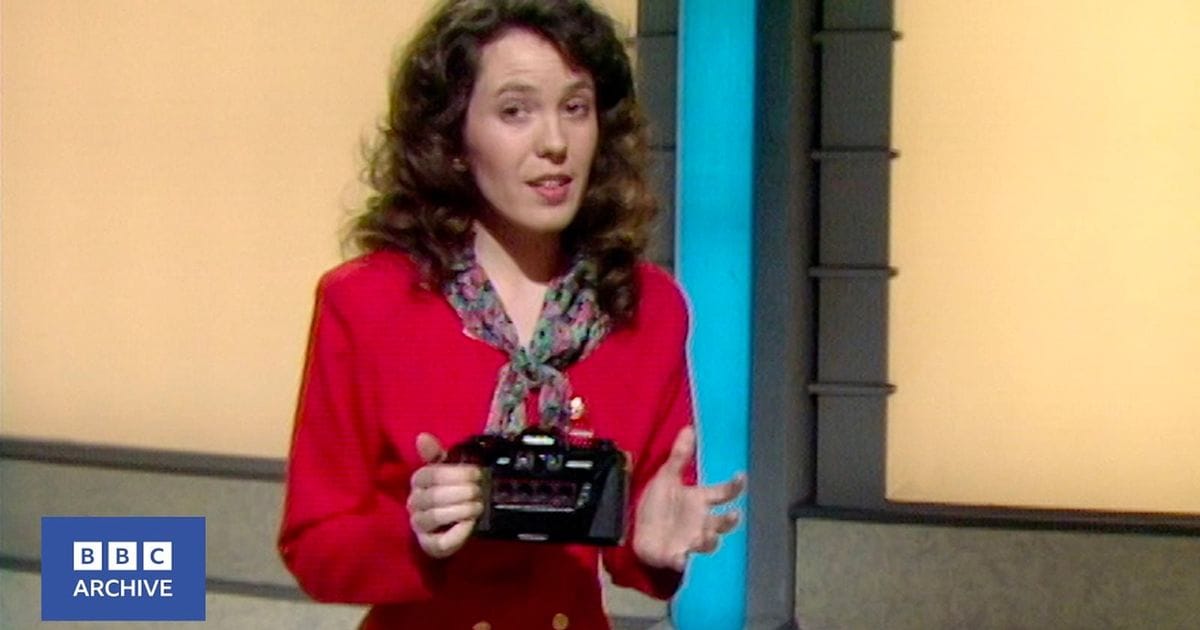
The Cameras of the Future Arrived, Just Not the Ones They Promised
A 1990 episode of the BBC's "Tomorrow's World" has resurfaced online, and Kate Garibaldi walks through it at PetaPixel with real delight. The segment promised us the cameras of the future: still video cameras writing to floppy disks, four-lens 3D systems, autofocus, disposables. Some vanished. Some mutated into whole industries. The clip got the direction of digital right and the timing comically wrong.
I have always loved these old prediction shows. There is something wonderful about watching confident people in good suits bet on the wrong horse. I grew up expecting The Jetsons: a house robot that cooked my dinner and tidied up after. What actually arrived is stranger than anything they pitched. Generative AI now conjures images from nothing. Quiet AI sits inside the most basic phone camera, widening dynamic range, cleaning up edges, erasing the stranger who wandered into your shot. Nobody in 1990 drew that on the whiteboard.
In hindsight, the report correctly identified digital imaging as photography's eventual direction, but it badly underestimated how much supporting technology still needed to mature first.
Here is the part I keep chewing on. All that invisible cleanup has nudged people back toward the roots. Film, darkrooms, handmade prints. It is the same itch running under this whole issue: the more frictionless the tools get, the more doing it by hand feels like the luxury.
So which of today's surefire bets will look adorable in 2056?
1990 bet on cameras that would do more for you. Lensbaby's answer is a box of glass prisms that do nothing on their own until your hand tilts them into an accident.
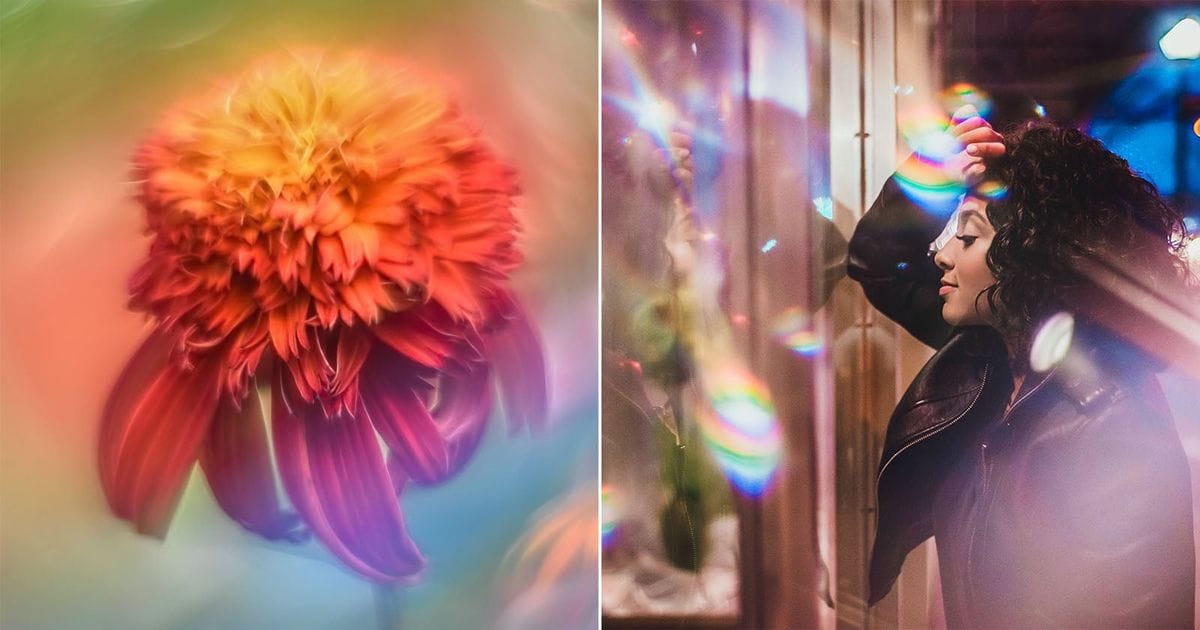
Lensbaby's Omni Filters and the Pleasure of Doing It the Hard Way
Lensbaby has revived its Omni Creative Filter System, and Jeremy Gray at PetaPixel has the details: Omni Color II and Omni Crystal II. These are physical bits of glass. Crystals, colored film sheets, prisms you hold in front of the lens and move around until the light does something strange. You can even magnet several onto a ring at once and build a whole mess of flares and color casts in one frame. All of it happens in-camera, with your actual hands.
Here is the thing I keep chewing on. I can apply any style with a slider, or just ask a model to hallucinate the look entirely. So a box of glass prisms feels charmingly out of time. Part of me suspects it is a flavor of manual bragging rights. The photographic equivalent of look, Ma, no AI. But I don't think that is the whole story, and I'm suspicious of anyone who says it is.
The user decides where and how to apply the filter, and moving it across the frame can significantly alter the overall look.
That word, decides, is doing quiet work. A slider gives you the same result every time. A crystal held at a slightly wrong angle gives you an accident you couldn't have planned. Sometimes the accident is the photo.
This issue keeps circling the pleasure of doing things by hand when nothing requires it. So: is the reward the control, or the thing you can't control?
THE LAST WORD
Thanks for reading this. I wrote most of it still thinking about those fourteen-block walks down 23rd Street, which probably tells you how settled I am on the question. I'm not.
What I keep turning over is whether the loss we feel is really about the tools, or about us. Maybe the camera didn't take anything away. Maybe we just stopped choosing the harder path when the easy one showed up.
I'd genuinely like to know where you land. Is there something in your own practice you still do by hand for no efficient reason at all? Hit reply and tell me what it is, and whether you'd give it up if a tool offered to do it better.
Best,
Juergen
Member discussion