
I Want AI to Do My Taxes, Not My Art
 Greetings from Juergen
We've curated some more thought-provoking and also some fun pieces that explore how technology continues to shape art and creativity. From Claire Bishop's insights on our changing attention spans to cutting-edge AI tools in the music industry, there's a lot to dive into.
I hope you'll find these stories as fascinating as I did. Whether it's the vibrant photography of the Northern Lights or the ethical concerns around AI and Instagram, each piece offers a unique perspective on the intersection of art and technology.
TECHNOLOGY IN MUSIC
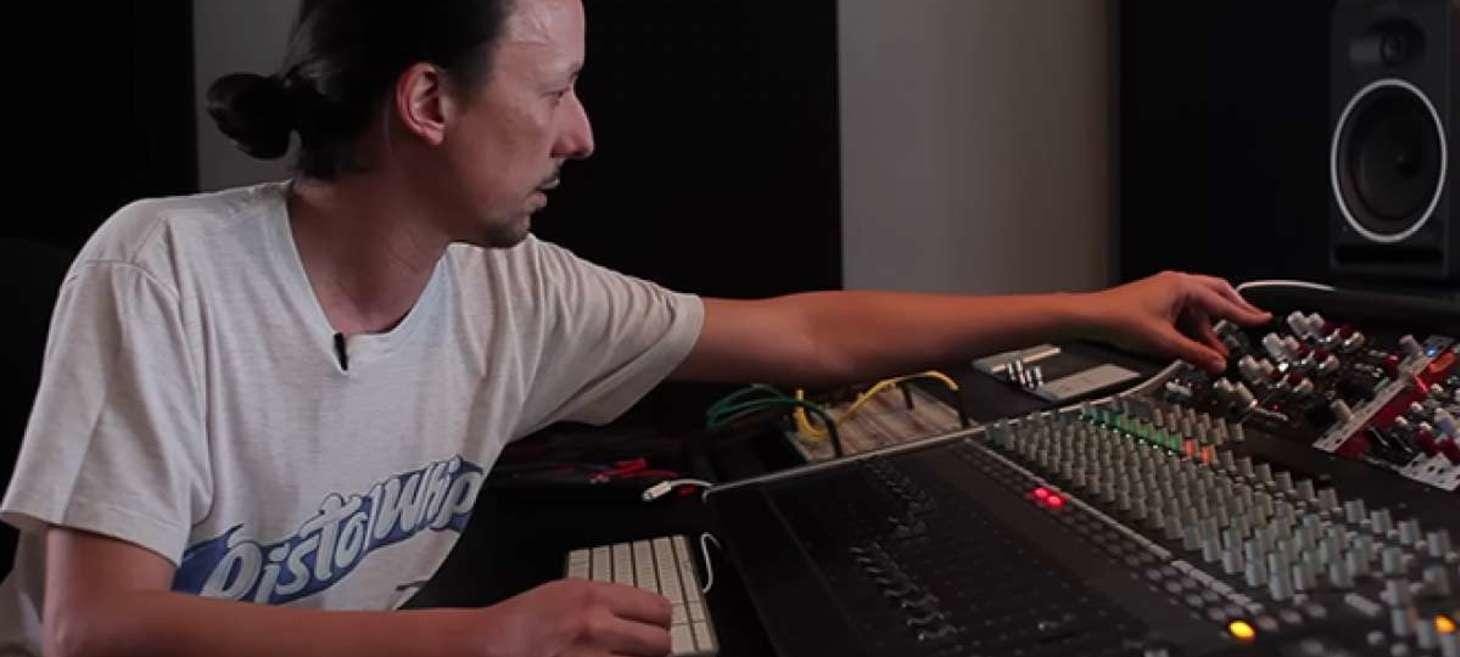
Daddy Kev launches AI tool to help artists identify issues in music contracts
US producer and audio engineer Daddy Kev has introduced musiclawyer.ai, an AI tool that helps independent artists identify problems in their music contracts. As reported by Mixmag, the app is currently in BETA and supports multiple languages, including English and Spanish.
It's refreshing to see AI applied in ways that benefit artists directly and ethically. The tool not only analyzes contracts for inconsistencies but also helps audit royalty statements, providing much-needed transparency in the industry.
"It's a struggle these days to find stories about the use of AI in the arts that are ethical, positive, as well as innovative. This one fits the bill."
For more details, check out the original article by Gemma Ross on Mixmag.
PUBLIC ART
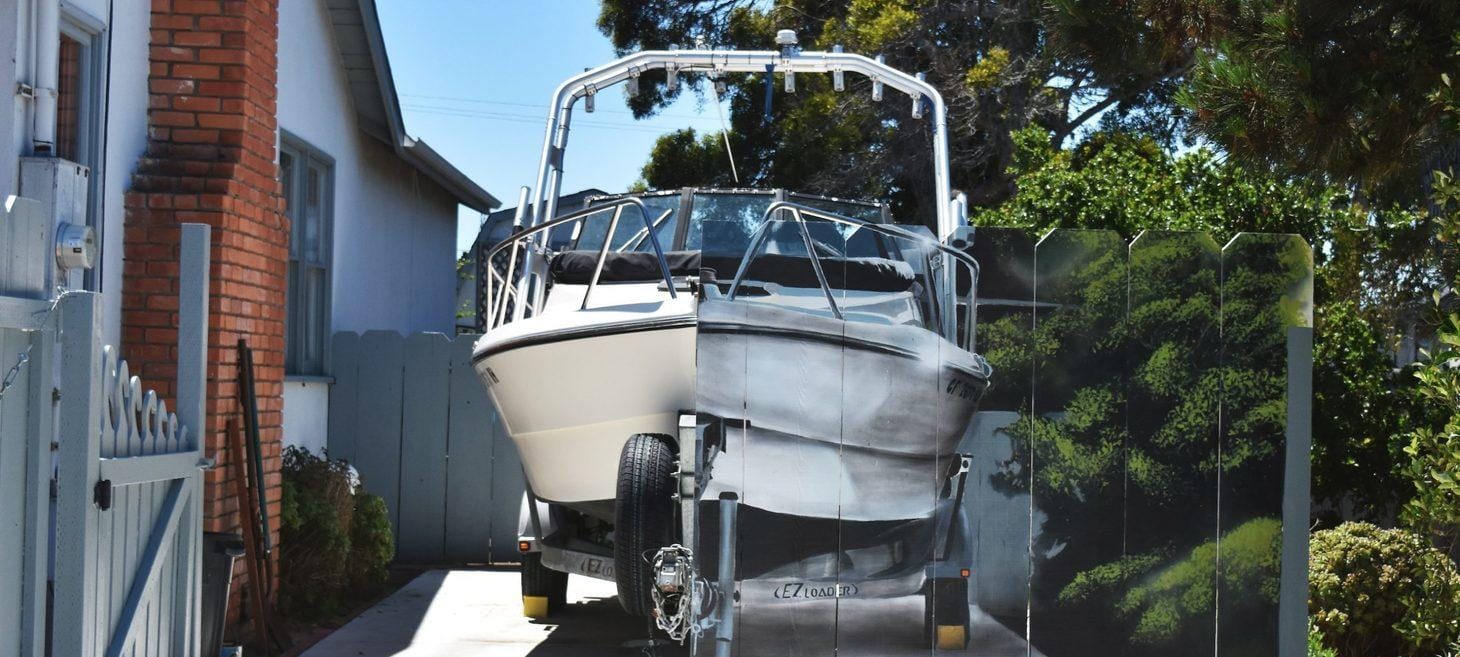
A Man Ordered to Hide His Boat Painted the Boat on His Fence
When the town of Seaside, California ordered Etienne Constable to conceal his boat, he hired artist Hanif Panni to paint the boat on the fence. This story, covered by Artnet News, showcases how art can be both humorous and subversive in the face of regulations.
Our take on this? It’s a brilliant example of how creativity can challenge mundane rules. Instead of hiding the boat, Constable’s fence mural makes a bold statement, blending art with everyday life in a way that resonates deeply with the community.
When subversiveness in art is personally directed at your next-door neighbor…
The mural not only complies with the town’s directive but also transforms a simple fence into a piece of art that gets people talking.
SOCIETAL IMPACT OF ART AND TECH
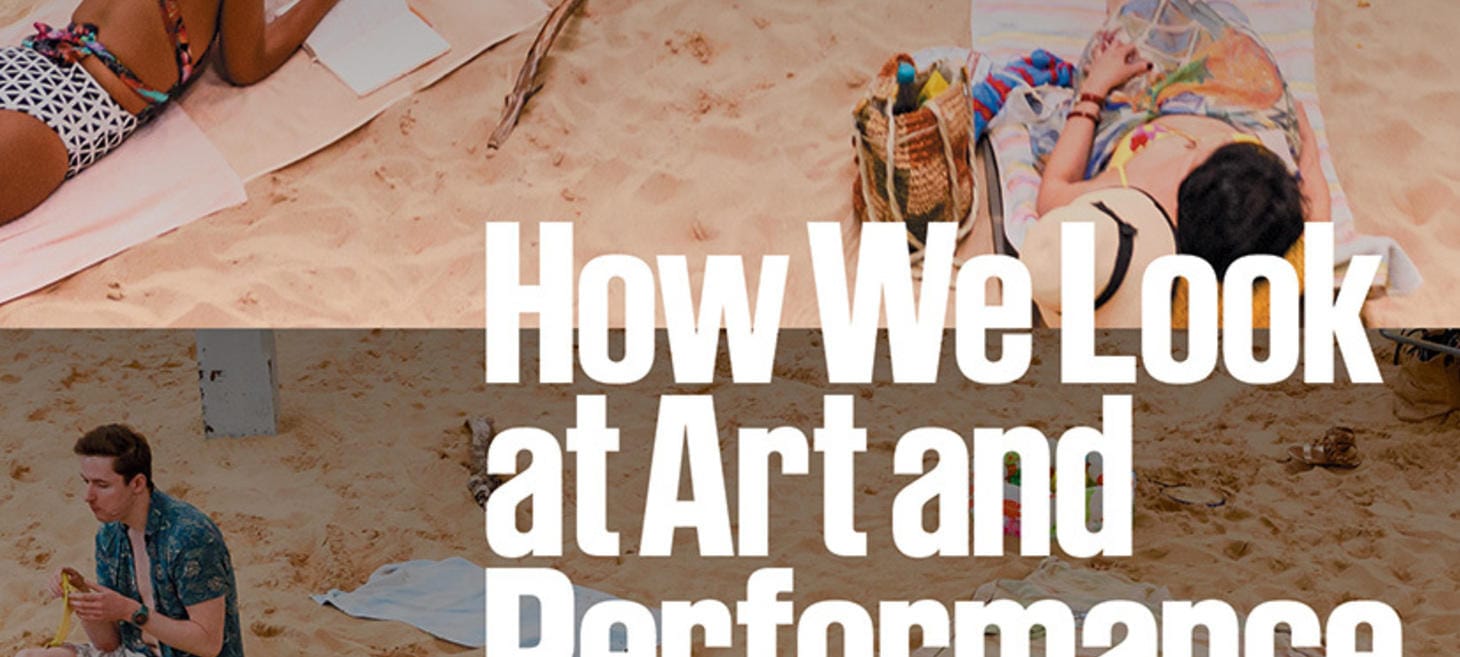
Claire Bishop’s New Book Argues Technology Changed Attention Spans—and Shows How Artists Have Adapted
Claire Bishop's new book, Disordered Attention: How We Look at Art and Performance Today, argues that our phones have become a “prosthesis for viewing” art. Published by Verso Books, Bishop's work explores how artists adapt to the fragmented attention spans shaped by digital technology.
Historically, artists have always adapted to their audiences, often driving societal changes through their work. This isn't new; it's a form of marketing to ensure their messages reach people. The question remains whether today's digital distractions are just another chapter in this ongoing adaptation.
"Artists have often driven societal changes and called attention to societal issues, which relies on adapting to their audiences almost as a form of marketing."
In this context, Bishop's insights offer a compelling examination of how contemporary artists navigate our digital age.
AI IN VISUAL ARTS
Artists Threaten to Leave Instagram in Droves over AI Art Training
Meta's use of Instagram images to train its AI image generator has sparked significant controversy, as reported by Creative Bloq. Many artists feel blindsided by the lack of transparency and consent over their images' usage. The EU mandates an opt-out option, but Meta has made this process convoluted and difficult.
I believe Instagram should make the opt-out process straightforward and transparent. The EU is once again setting the standard for data privacy, and it's my hope that other regions, including the US, will follow suit. Leaving Instagram may feel like a protest, but it won't benefit anyone long-term.
"Instagram needs to make the option to opt out of AI training for one's images more transparent and easy to use."
A push for a more accessible opt-out solution is a better path forward.
Credit: Creative Bloq
PHOTOGRAPHY

This is why the Northern Lights look better through your phone camera
Smartphone cameras have made impressive strides in recent years, particularly in capturing the vivid hues of the aurora borealis. An article by Douglas Goodwin in The Conversation explores how these devices utilize AI and computational photography to enhance images far beyond what our eyes can see.
Our eyes are optimized for daylight vision using cones, which detect color and fine details. At night, we rely on rods, which are more light-sensitive but less effective at distinguishing color. This biological limitation means that the vibrant colors of the aurora borealis often appear muted to the naked eye.
"Here's some good biological background as to why our eyes function better in bright daylight than at night and how that influences our ability to see the aurora borealis when compared to using cameras such as iPhones."
While our eyes have their limitations, modern smartphone cameras bridge the gap, capturing the aurora's beauty with enhanced clarity and vividness.
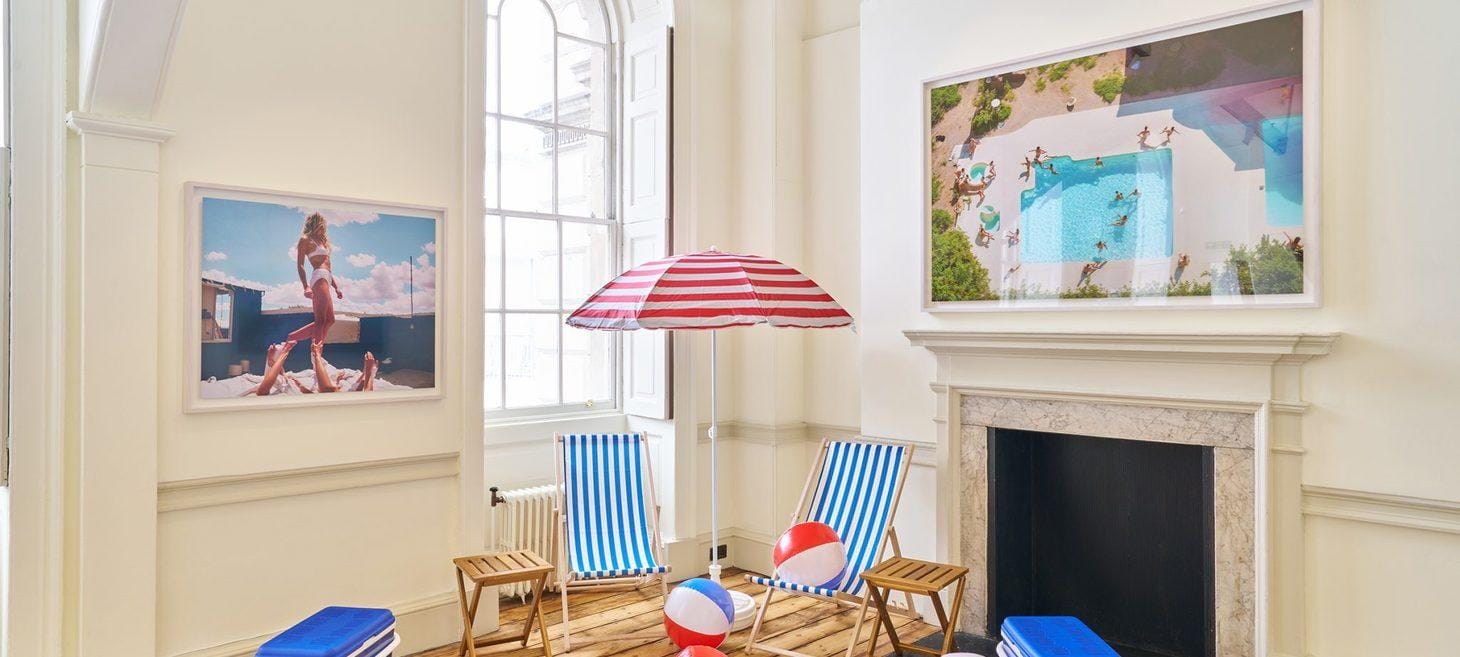
Photo London 2024 Showcases the Boundless Potential of Photography
Photo London 2024, held at the historic Somerset House, has evolved into a key event showcasing the vast potential of photography. As highlighted by David Graver, this year's fair featured groundbreaking works that blend photography with technology, creating dynamic video art and immersive installations.
From sculptures to immersive art videos, for me as a former photographer, this story is particularly compelling. I love seeing photography concepts expand to incorporate technologies and different media types. Exhibits like Thomas Devaux's Dichroics and Giuseppe Lo Schiavo's synthetic photography highlight how artists are pushing the boundaries of the medium.
"The interplay between the light, the glass and the gilding creates dynamic, captivating pieces that are challenging to photograph but encourage viewers to interact and capture their reflections."
These innovative approaches not only redefine photography but also invite viewers to engage with the art in fresh ways.
ARTIFICIAL INTELLIGENCE AND CREATIVITY
AI Is a Black Box. Anthropic Figured Out a Way to Look Inside
What goes on in artificial neural networks work is largely a mystery, even to their creators. But researchers from Anthropic have caught a glimpse.
Steven Levy's article in Wired delves into Anthropic's efforts to decode the mysteries within AI's "black box." Researchers, led by Chris Olah, have made strides in understanding how neural networks generate specific outputs, potentially enhancing AI safety.
As it turns out, cracking open a black box is somewhat of an artistic endeavor.
"It’s sort of a bewildering thing,” says Josh Batson, an Anthropic research scientist. “We’ve got on the order of 17 million different concepts [in an LLM], and they don't come out labeled for our understanding. So we just go look, when did that pattern show up?”
The blend of art and tech here is palpable; understanding AI's inner workings feels akin to deciphering a complex piece of abstract art.
DESIGN
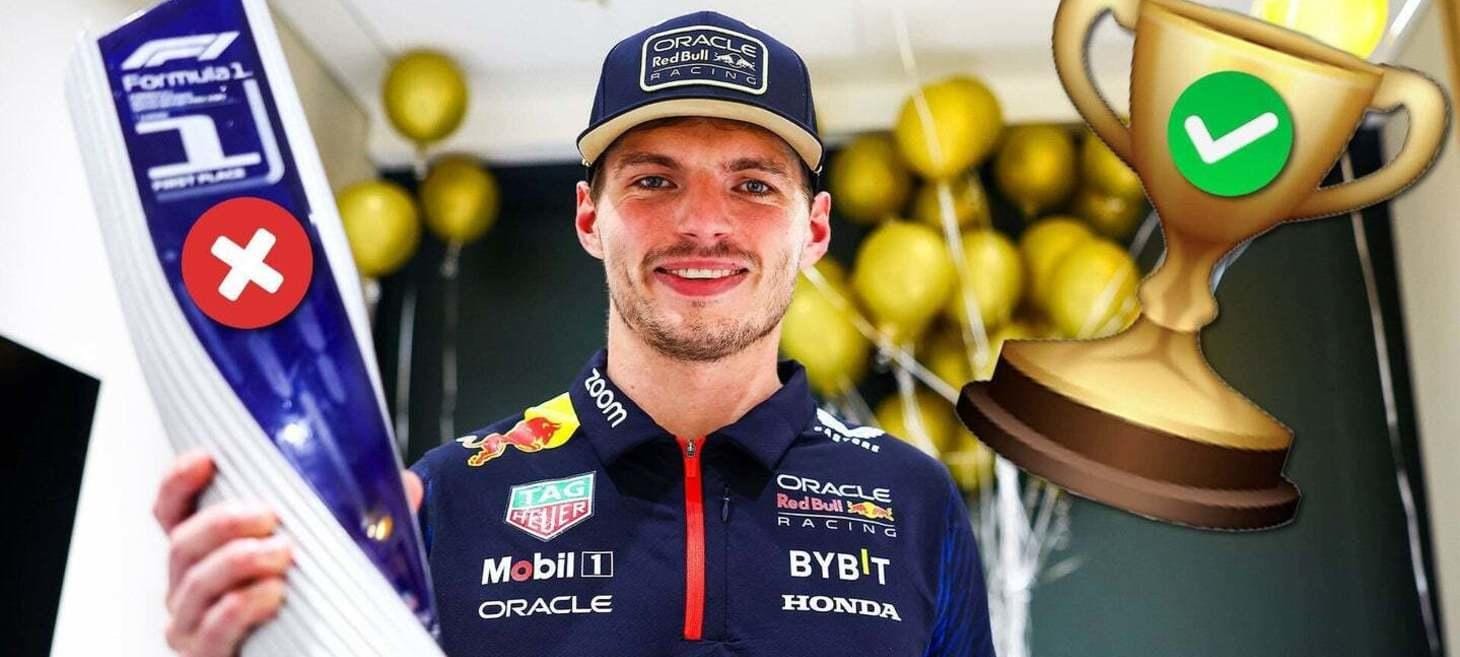
I Want AI to Do My Taxes, Not Design F1 Trophies
In a recent article by The Drive, Chris Tsui discusses the decision by Formula 1 to have AI design the trophy for the Canadian Grand Prix. This collaboration with Amazon Web Services has sparked debate about the role of AI in creative fields.
While AI's efficiency and precision are undeniable, its use in creative endeavors like trophy design raises questions. Should technology replace human creativity? As much as I enjoy F1, I believe AI should handle repetitive tasks, freeing humans to focus on art and innovation.
"I want AI to do my laundry and dishes so that I can do art and writing, not for AI to do my art and writing so that I can do my laundry and dishes."
Ultimately, the value of human creativity should not be overshadowed by technological convenience.
SUSTAINABILITY IN ART AND TECH
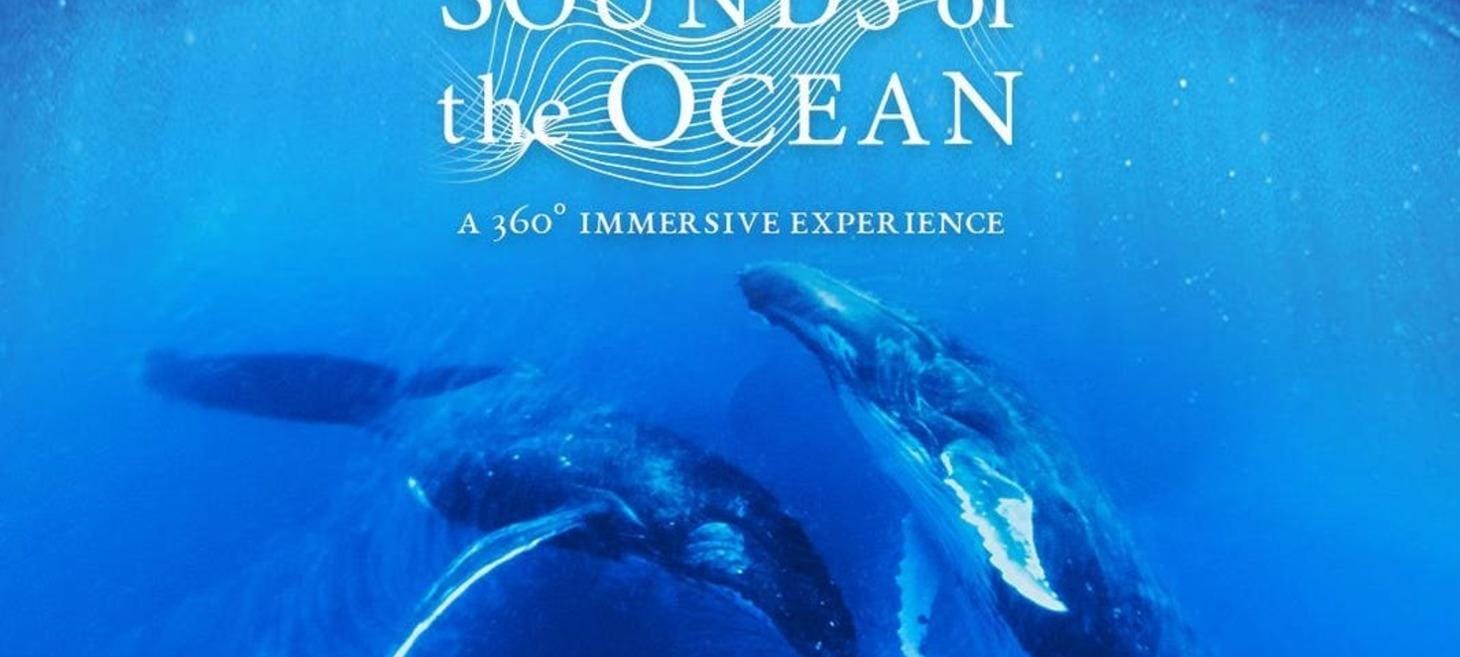
The Surprising Role Planetariums Play In Ocean Conservation
Planetariums are playing an unexpected role in ocean conservation, as highlighted in a recent article by Forbes. During World Oceans Week, planetariums around the globe will screen "Sounds of the Ocean," an immersive film by Embodied Sounds, Inc., to educate and inspire communities about the importance of our oceans.
I find the creation of immersive experiences to be an emerging art form. From the traveling Van Gogh exhibits to this unique approach to environmental activism, these experiences engage the audience on a deeper level. The fusion of visual and auditory elements in "Sounds of the Ocean" is particularly exciting as it leverages art to foster environmental mindfulness.
"The idea of immersive environmental activism is particularly appealing to me."
This initiative not only raises awareness but also donates 25% of ticket sales to conservation efforts, making it a powerful blend of art and activism.
FUTURE TRENDS IN ART AND TECH
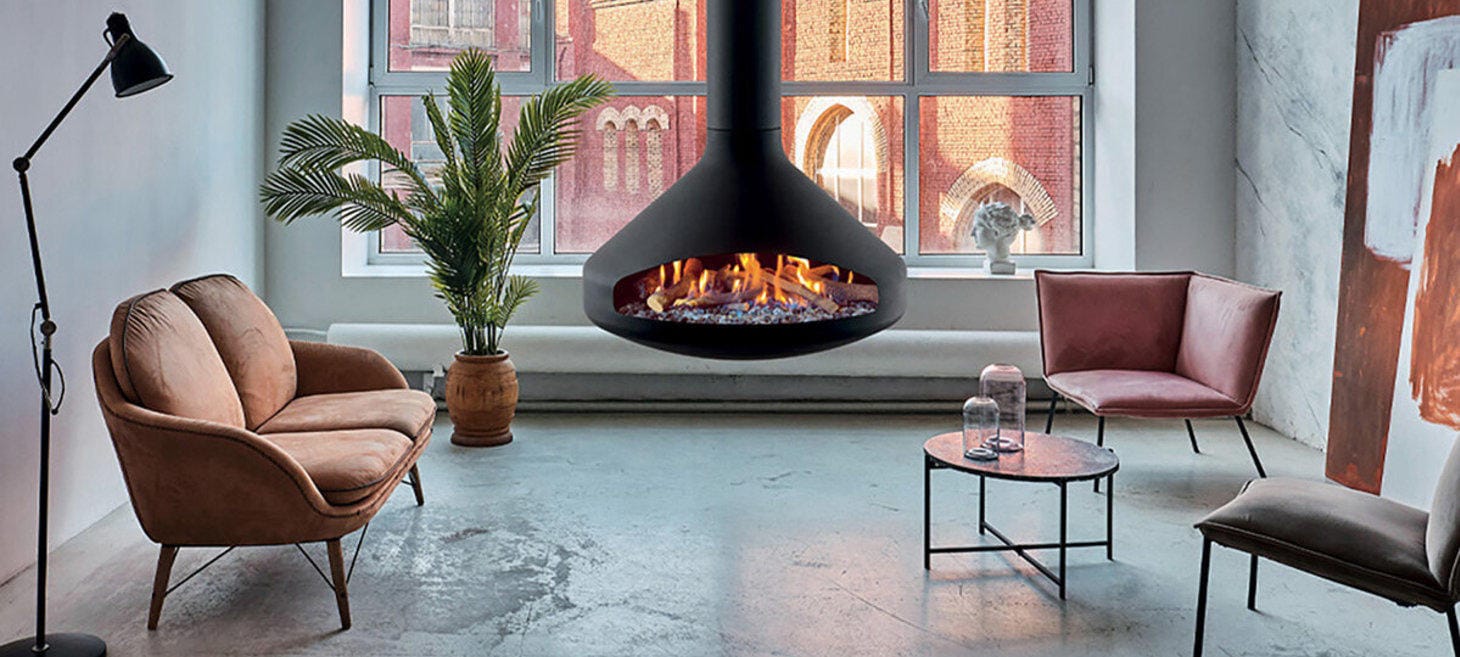
German Design Awards 2025 Open Call for Entries with New AI Metaverse Category
Companies, designers, architects, and agencies worldwide are invited to submit their projects to the German Design Awards 2025, which now includes a category for 'AI in Architecture and Metaverse Space Design.' Designboom highlights how these awards set standards in design and competitiveness, particularly with an eye towards digitalization and AI.
Architecture has been adapting rapidly to the evolving role of artificial intelligence in artistic expression. From 3D modeling to virtual previews, the field showcases how technology can transform traditional practices. The new category in these design awards echoes this trend, recognizing the innovative applications of AI in architectural design.
"Architecture is a good example of trying to adapt to the changing perception of art when it comes to artificial intelligence."
The deadline for submissions is 6 September 2024.
THE LAST WORD
Thanks for taking the time to read this edition of The Intersect. Your feedback and thoughts mean a lot to me, and I look forward to hearing what you think about these topics. Let's continue the conversation and explore how creativity and technology can enrich our lives.
Until next time, stay curious and keep creating.
Warm regards, Juergen
Member discussion