
Welcomed In, Still Not Sure We Trust It
 Greetings from Juergen
This week, I've pulled together some reads that highlight the ongoing interaction between art and technology. We've got insights into the societal impact of big tech on the arts sector and a thorough exploration of how AI is reshaping music and visual arts. Plus, there's a look at how nature-inspired designs are influencing modern architecture and a practical project for those who enjoy blending old-school techniques with modern tech.
Whether you're curious about the latest documentary on music piracy or interested in how AI is being used to authenticate classic art, there's something here for everyone. I hope these stories offer new ideas and perspectives for you. With all the recent negativity and "doom scrolling" about AI's impact on the arts, I'm aiming to provide a balanced view that includes both inspiration and practical information.
TECHNOLOGY IN MUSIC
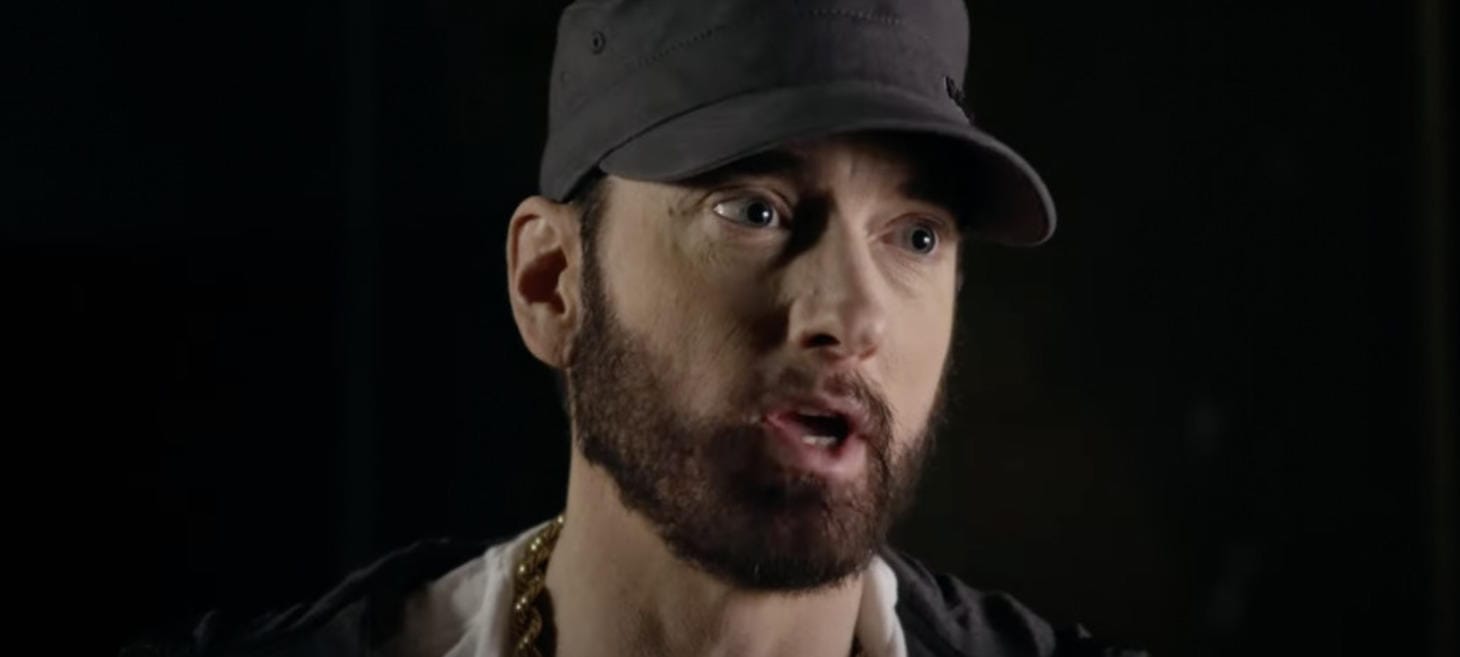
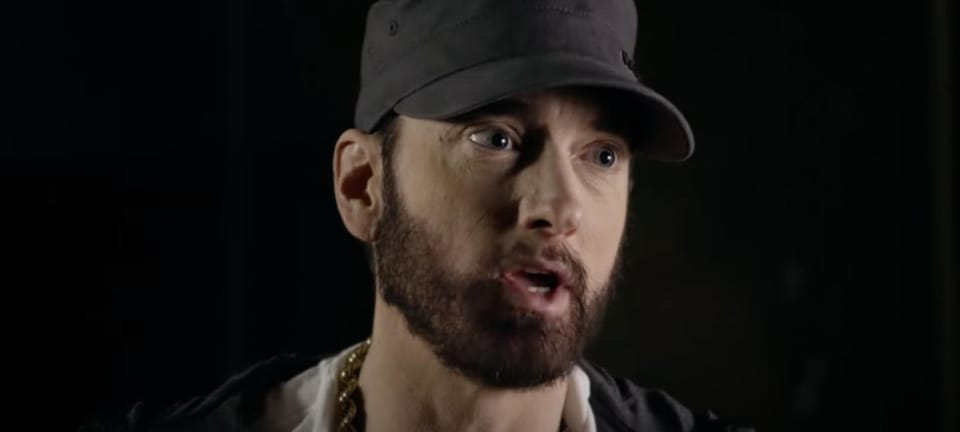
Eminem, LeBron James Release ‘How Music Got Free’ Documentary Trailer
Eminem and LeBron James are joining forces for a new documentary, How Music Got Free, set to premiere on Paramount+ on June 11. The Hollywood Reporter calls it a fascinating look at how technology reshaped the music industry in the late '90s and early 2000s. This film, directed by Alex Stapleton, explores the impact of file-sharing technology on the music world, featuring insights from notable figures like Timbaland, 50 Cent, and Jimmy Iovine.
I'm looking forward to this release because it highlights the massive impact of tech on creatives. As Eminem points out, when music piracy arose, it wasn't just artists who were affected but entire ecosystems of people relying on the industry. This mirrors what we see with the "democratization" of photography through digital cameras and now AI's influence on visual arts.
"If music should be free, I have an entire army of people that need their paycheck." — Eminem
This documentary has received positive acclaim and promises to be an insightful watch.
Spotify’s Battle with Songwriters and Music Publishers Is Getting Complicated. Here’s a Recap.
Music Business Worldwide dives into the ongoing conflict between Spotify and US music publishers, highlighting the streaming giant's reclassification of its Premium tiers as 'bundles' to reduce royalty payments. The article traces the roots of this controversy back to the 2022 Phonorecords IV settlement, which allowed lower royalty rates for bundled services.
Always love me a good “brief history of…” and this piece does just that. It shows how a seemingly minor legal provision can snowball into a major industry dispute. The reclassification has led to reduced payments for songwriters, sparking legal battles and industry-wide backlash.
"Spotify thinks it’s so clever looking for legal loopholes to cut songwriter pay. Sometimes when you are too clever, it blows up in your face."
This unfolding story serves as a crucial reminder of the complex interplay between tech platforms and the music industry.
SOCIETAL IMPACT OF ART AND TECH
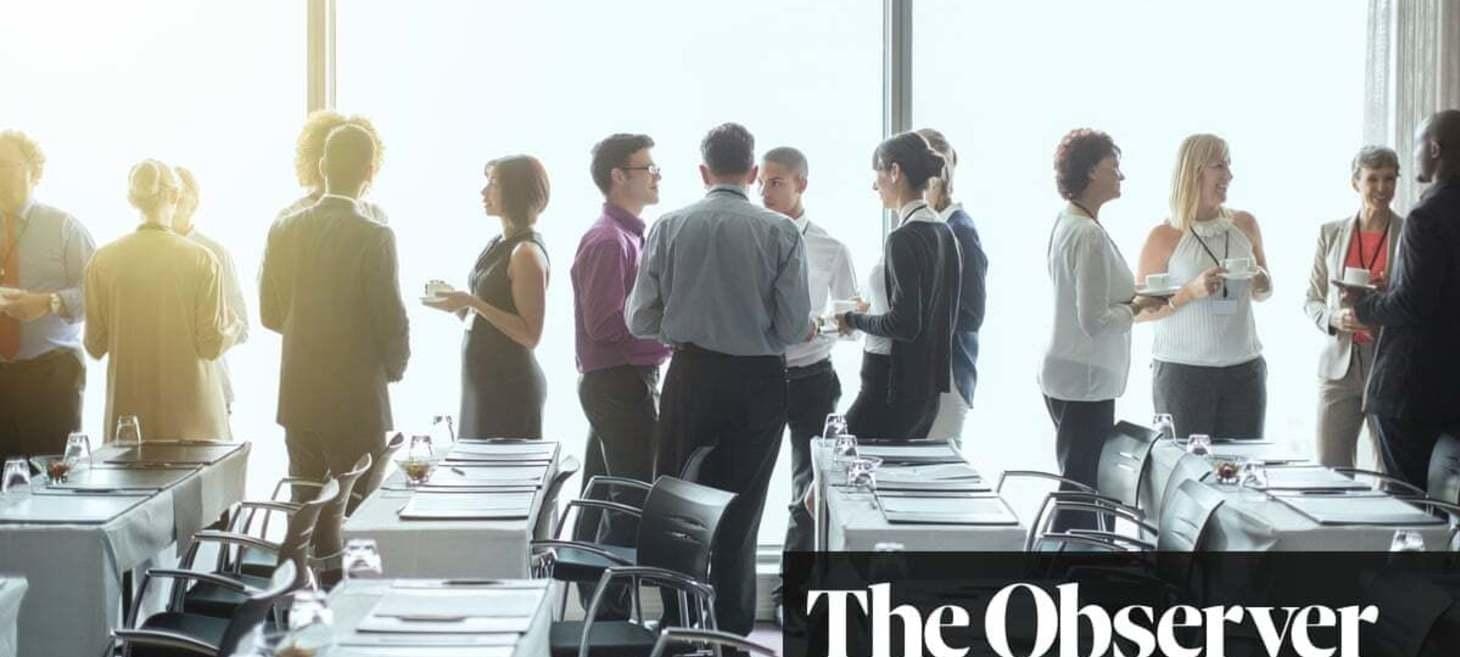
Diversity Problem: Few UK Arts Workers Come From The Working Class
The Guardian reports that working-class individuals are significantly underrepresented in the UK's arts and culture sectors. While 23% of the UK workforce comes from a working-class background, only 8.4% work in media and photography, and a mere 5.2% are in museums and libraries.
It's an interesting perspective, but I wonder if the arts have ever been truly representative of the broader population. Artists often exist on the fringes, whether as working-class outsiders or elitist outsiders. This outsider status fuels counterculture and subversiveness in the arts.
"The outsider status is part of the perception we think of when we appreciate counterculture, commentary, and subversiveness in the arts."
I'm not against mainstream representation in the arts, but I question if it's ever been that way, and maybe, it’s better left this way.
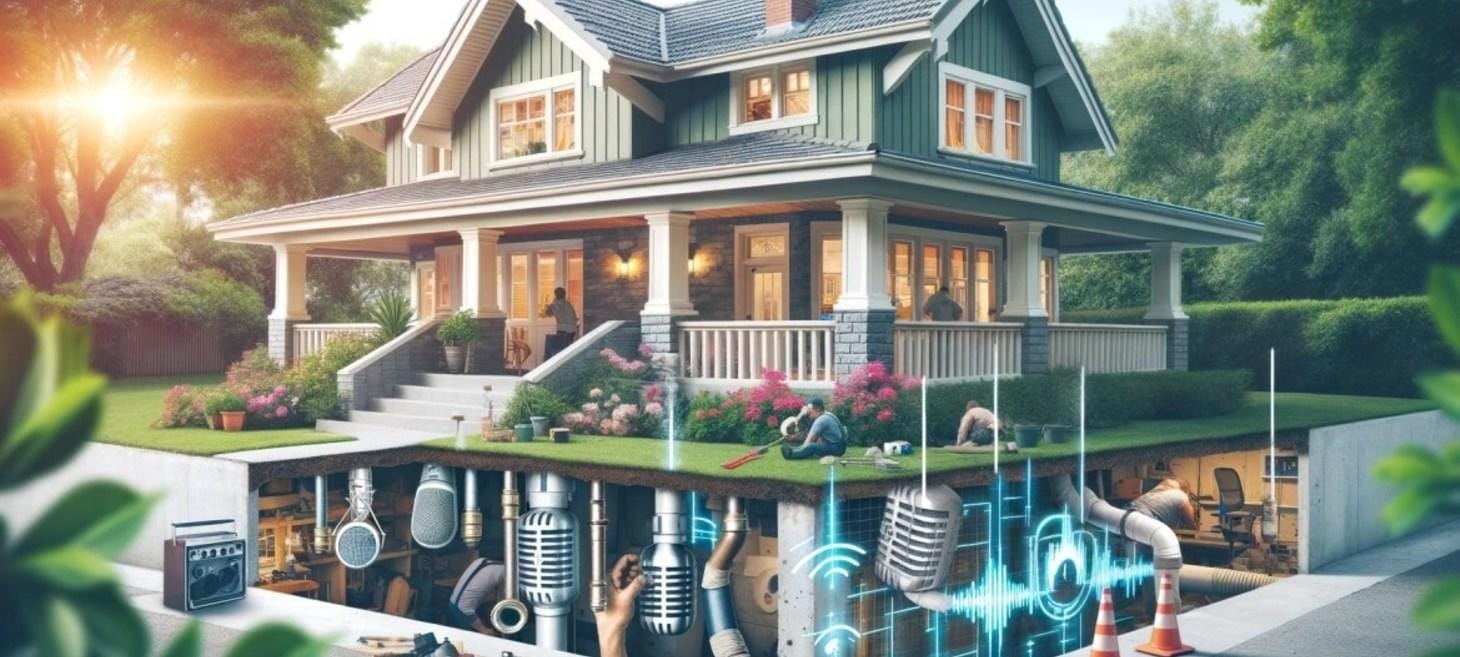
Public Radio’s Foundation Is Leaking. Some Real Planning Is In Order
Public radio is at a critical juncture, as highlighted by Abby Goldstein in Current. The analogy of a house needing urgent plumbing repairs reflects the foundational issues public radio faces today. Key funding sources like membership and underwriting, anchored to broadcast performance, are under threat due to shifting listener habits.
I'm curious whether our European friends have something similar to our public radio. Here in the US, it's funded by only about 1% of government funds, yet it's often accused of being a lazy, partisan, government-funded entity. This couldn't be further from the truth. For many of us ardent public radio supporters, it is an essential part of our media landscape.
"Just like with the plumbing in our house, public radio can’t wait any longer to take action on the leaks in its foundation."
While it's not quite art, I view public radio as a crucial component akin to podcasting. Keeping diversification in media, art, and other creative endeavors alive is essential.
AI IN VISUAL ARTS
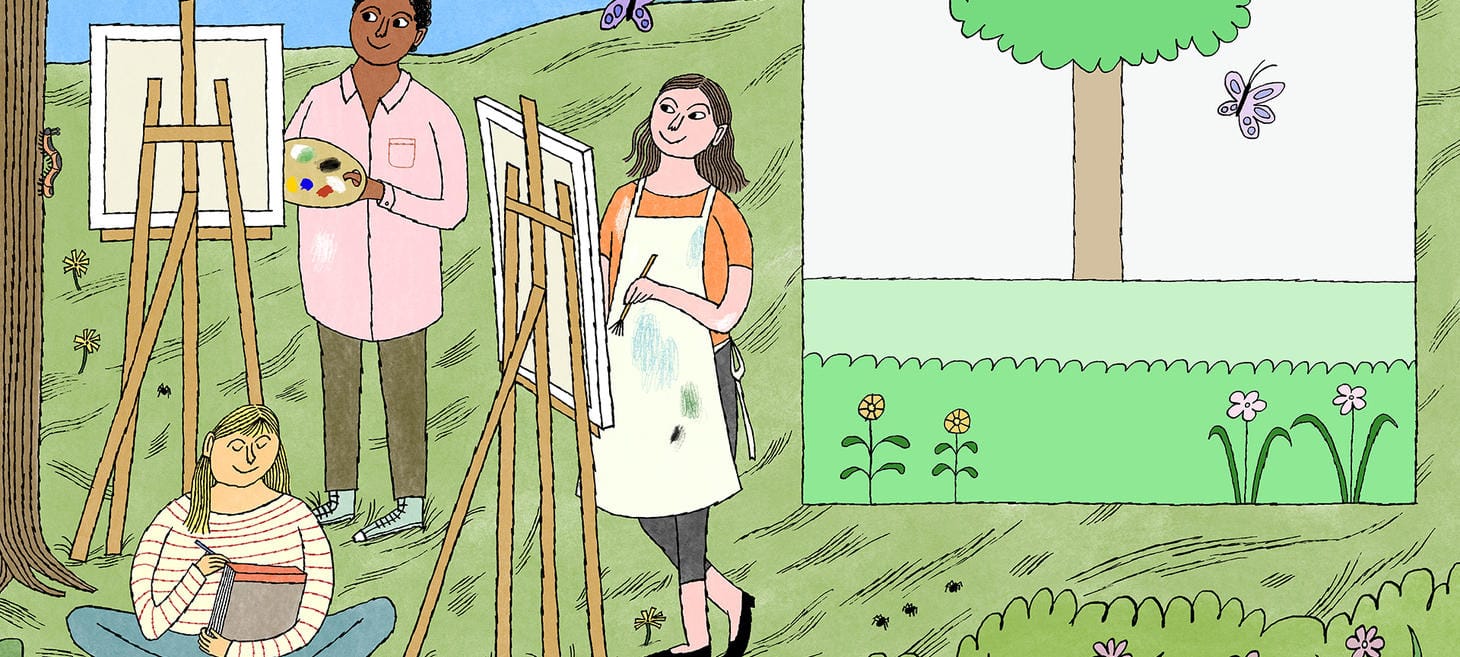
Why AI Art Will Always Kind of Suck
AI tools like DALL-E aim to democratize art creation, but as highlighted in Vox’s article, these tools often produce hollow and uninspired results. The article questions whether AI can ever truly replace human creativity, pointing out the superficiality of AI-generated art.
Our perspective aligns with Cory Doctorow's concern:
“How do we minimize the likelihood that an artist somewhere gets $1 less because some tech bro somewhere gets $1 more?”
I also ponder the distinction between artists and artisans. Historically, artisans produced functional items, while artists conveyed deeper messages. AI can replicate the craft, but the essence and critical commentary of true art remain human realms.
PERSONAL PROJECTS
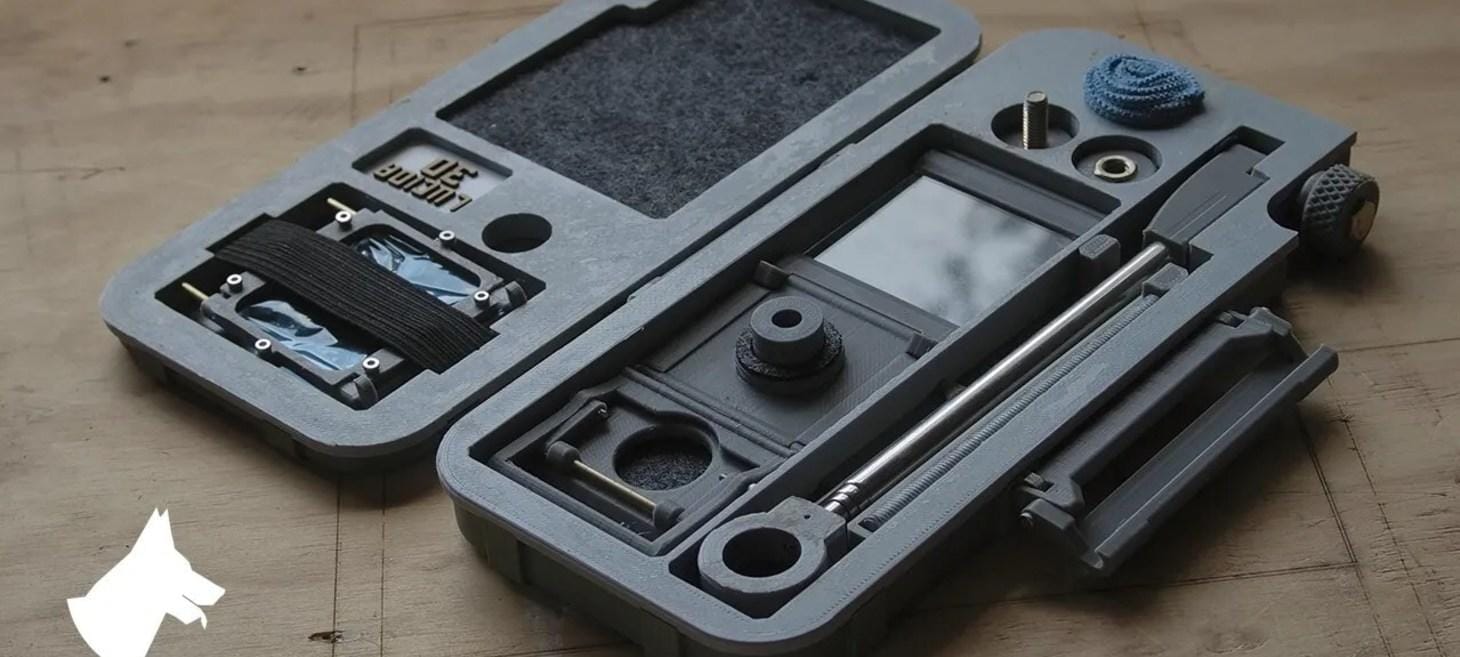
Camera Lucida – Drawing Better Like It’s 1807
Chris Borge's article on Hackaday dives into the history and modern reimagining of the camera lucida, a device from the early 19th century devised by William Hyde Wollaston. This device allows artists to overlay real-world images directly onto their drawing surface. Borge’s contribution is a 3D-printable, portable version that costs around $20 to produce, making this old-school tool accessible for modern artists.
Talk about old school. Except maybe that you need a 3D printer for something like this.
"The entire camera is only $20 to print and produce. Sounds like a fun project. And I wonder whether our local library has a 3D printer I could use for it."
A mix of history and DIY innovation: perfect for blending tradition with tech.
ARCHITECTURE
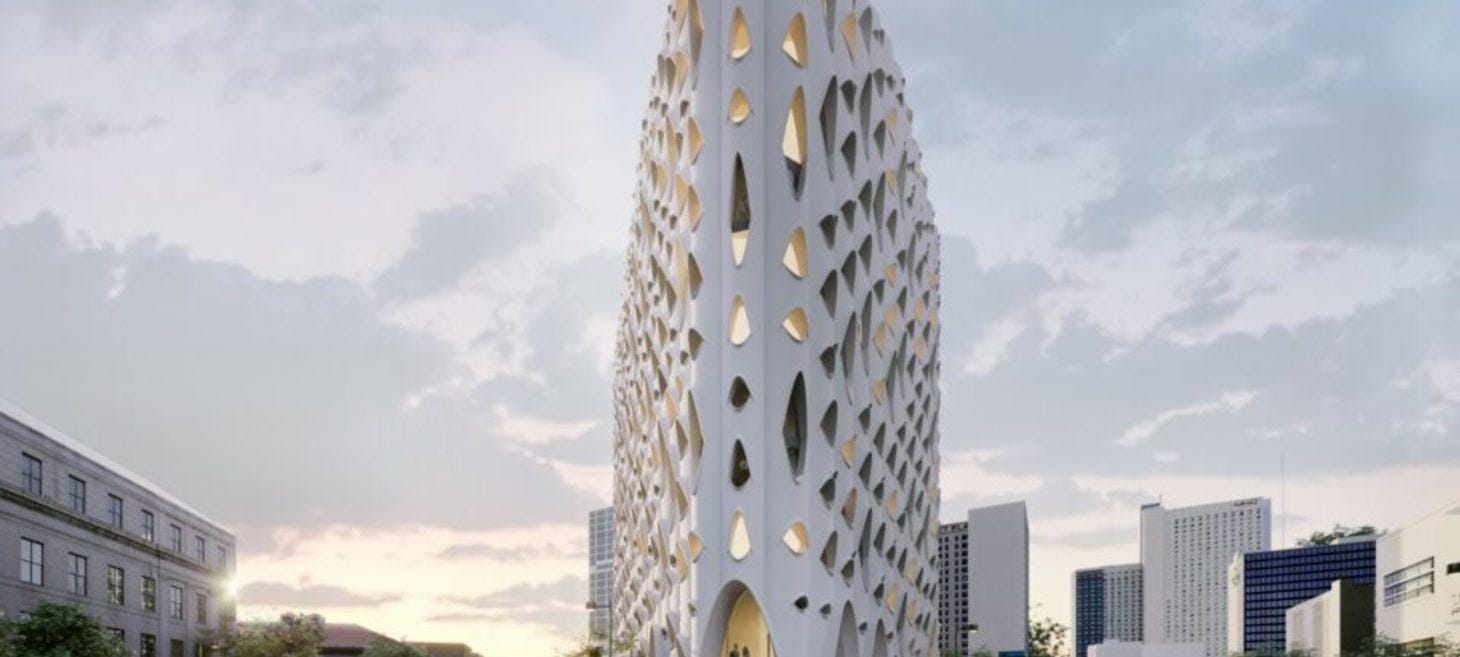
Nature Reimagined
American biologist Edward O. Wilson's concept of "biophilia" is explored in the Denver Art Museum's exhibition, "Biophilia: Nature Reimagined," as detailed in Aesthetica Magazine. This exhibit features over 80 works from architects, artists, and designers who illustrate how natural structures influence modern design, emphasizing sustainability and biomimicry.
I find this connection between nature and technology fascinating. The idea that "there's nothing new under the sun" fits perfectly here. It reminds me of Antonio Gaudi's work in Barcelona, where organic forms and structures stand in stark contrast to the boxy Bauhaus designs we're accustomed to. These exhibitions show how technology and AI are seamlessly integrated into art and architecture, enhancing our ability to replicate nature's complexity.
"Biophilia explores the human need to connect with the natural world and its ability to improve our health, spark the imagination, and strengthen personal and community relationships."
This exhibition is a testament to how art and technology can merge to deepen our appreciation of the natural world.
CREATOR PLATFORMS AND TOOLS
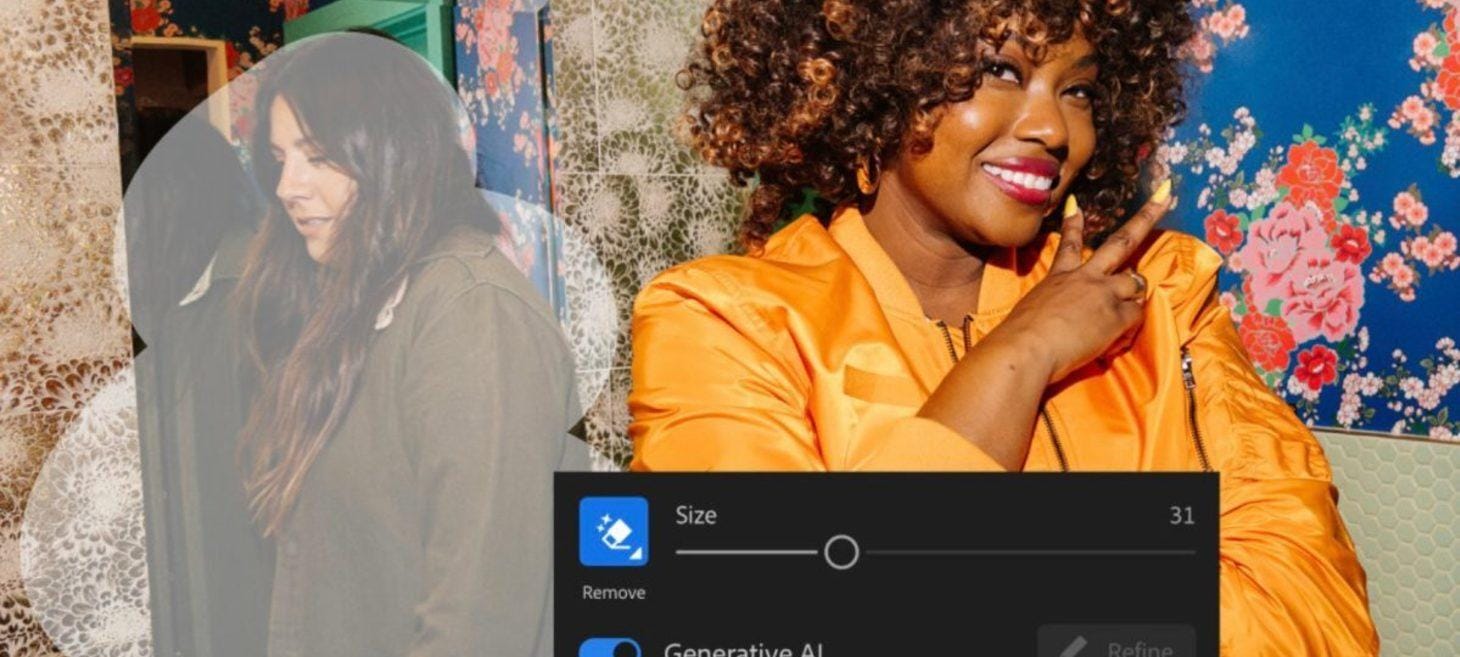
Adobe Lightroom gets ‘fast and easy’ AI editing on iPhone, iPad, and Mac
Adobe is introducing new AI features to Lightroom, enhancing its functionality across iPhone, iPad, and Mac, as reported by 9to5Mac. These updates include Generative Remove, Lens Blur, and a revamped mobile editing experience.
As a lifelong Adobe user, I've seen the company lagging in adopting AI generative tools. Lightroom, traditionally a purist's photo editing tool, is now embracing AI for tasks like object removal and background editing. This shift is a natural progression in a world where AI-generated images are becoming standard.
"In a world where you can create images from text, editing original photos using AI does not seem so far-fetched."
Adobe's move to integrate AI into Lightroom is a significant step, even if it feels a bit overdue.
DIGITAL ARCHIVING AND ART PRESERVATION
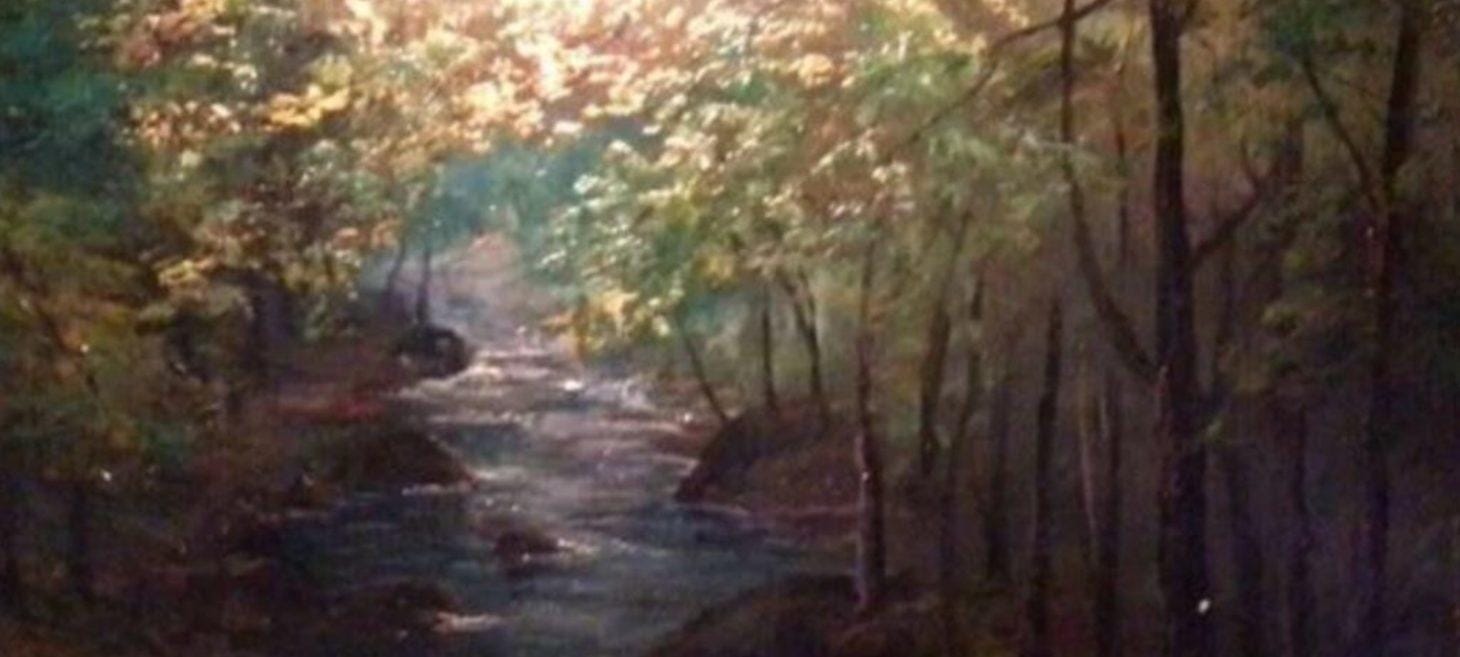
AI Determines Renoir And Monet Works Are Almost Certainly Fakes
Art Recognition's technology, as highlighted in Artnet, uses AI to detect forgeries of artworks by renowned artists like Monet and Renoir. The software analyzes various features such as brushstrokes, color variations, and object placement to identify fakes, marking a shift from traditional human expert authentication.
Our focus is on how these AI systems are trained. They analyze numerous features from training images, capturing both broad elements and fine details. This process includes cross-validation, ensuring high precision by repeatedly testing smaller subsets to find the most effective model.
"This article covers a wide range of topics, but my focus today is on the technology involved in training an AI to recognize an artist's style."
This technology has the potential to preserve art integrity, yet it raises questions about the commercialization of artistic styles. The ship may have already sailed regarding AI's influence on art creation and commercialization, so do you see this as a net positive?
FUTURE TRENDS IN ART AND TECH
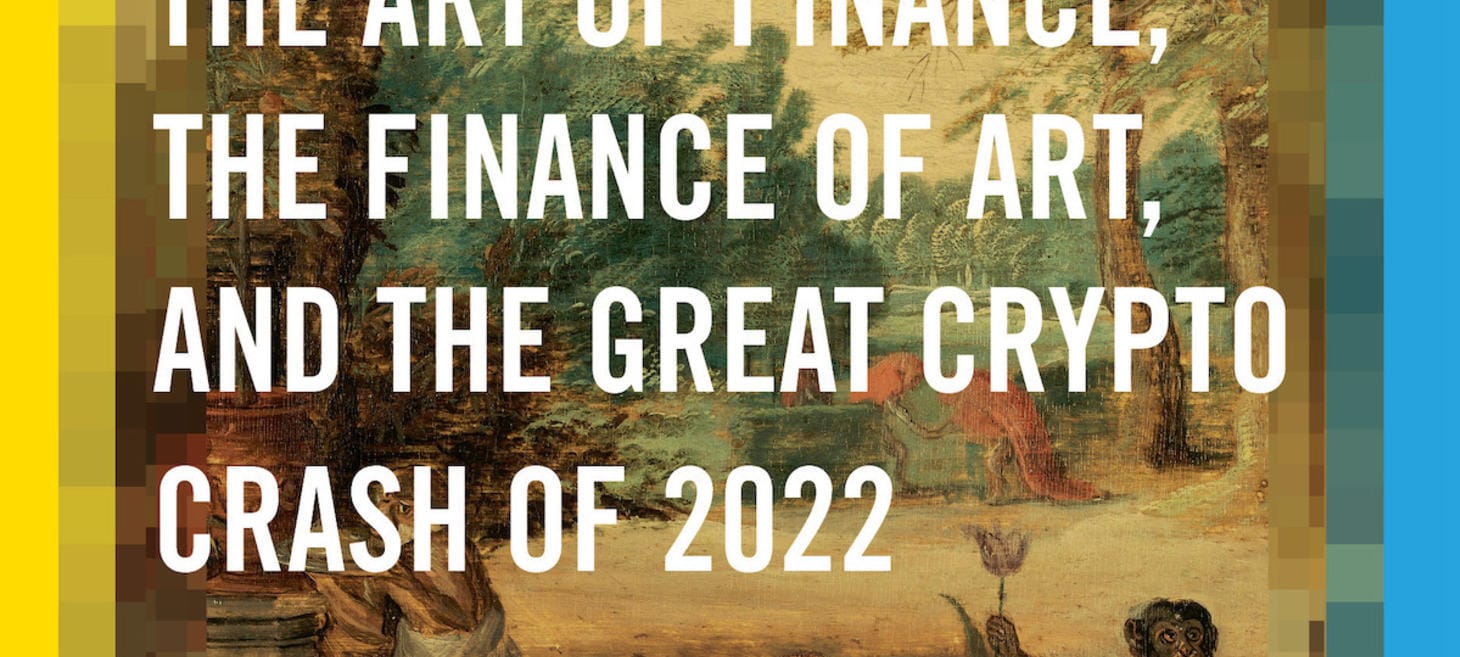
How Refik Anadol and Digital Art Were Finally Welcomed into MoMA and the Traditional Art World
Zachary Small in Token Supremacy offers a thorough exploration of the NFT boom's lasting effects on the art world. Small highlights how MoMA, despite its traditional image, has embraced NFTs, particularly through Refik Anadol's innovative work.
Our take: The leftover impact of the NFT boom and the crypto crash on the art world is nicely examined in this article, which I found to be a worthwhile read. Even though MoMA might be seen as the stuffy establishment within the art world, the perspectives offered were insightful.
"Being open to new technology is part of our responsibility," said Paola Antonelli, MoMA's senior curator for the department of architecture and design.
The article underlines the evolving relationship between art institutions and digital art, signaling a promising future for NFTs in the mainstream art world.
THE LAST WORD
Thanks for tuning in and exploring these intersections with me. Your feedback and thoughts always mean a lot, so feel free to share them. If there's a topic you're passionate about or something you think we should cover, let me know. Until next time, stay creative and curious.
Warm regards, Juergen
Member discussion