
From Pixels to Policies: Artists Changing the World
 Greetings from Juergen
Hi all,
This week, I’ve pulled together stories that illustrate the evolving dialogue between technology and art—sometimes harmonious, sometimes contentious. From how Spotify's algorithms might be narrowing our musical horizons to a Berlin exhibition that pits traditional photography against AI-generated images, there’s plenty to unpack.
We also explore a rogue art smuggling mission to the moon, a photographer proving his craft against AI skepticism, and a blockchain project tackling authenticity in the art world. Plus, there’s a fascinating look at artists embedding themselves into government policy to bring creativity into areas like water management. Each story asks us to reflect on what we value most about creativity in the digital age.
TECHNOLOGY IN MUSIC
How Spotify Is Dulling Our Musical Taste
Spotify’s algorithms make music discovery effortless—but at what cost? The LA Review of Books dives into how AI-driven recommendations are flattening our musical taste, pushing us toward comfort and familiarity rather than novelty and challenge. The process of actively seeking out new music, they argue, is essential to deepening our appreciation of it.
We've recently featured this topic, but I thought this article did a good job explaining the phenomenon in more detail. I’ve noticed this myself. Playlists keep me in a loop of similar sounds, reinforcing what I already like rather than nudging me toward something unexpected. There’s a reason why stumbling upon a song in a record store or through a friend’s recommendation feels different—it’s discovery with intent, not passive consumption.
"Algorithms don’t surprise us, they reassure us. And that’s the problem. The best musical moments come from the unexpected—from hearing something strange, even uncomfortable, and growing to love it."
When was the last time you truly searched for music instead of letting an algorithm decide?
PHOTOGRAPHY
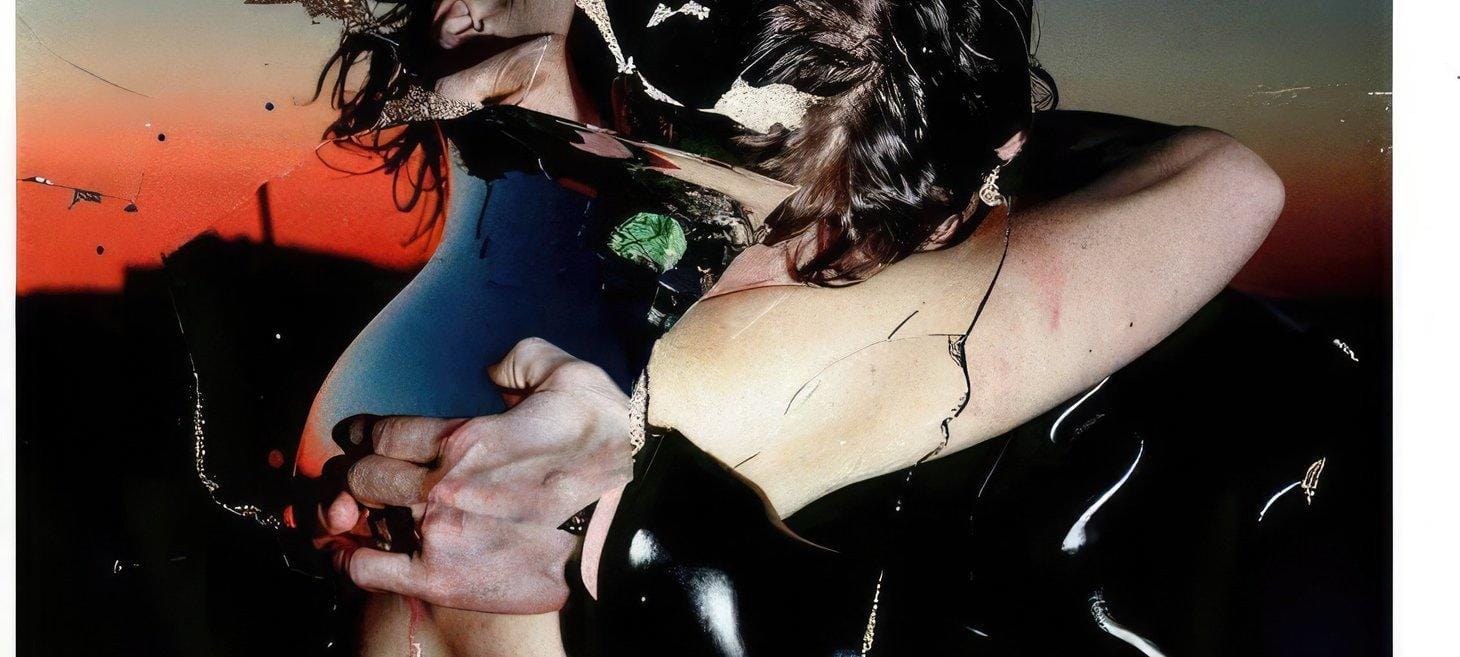
Photo Journal Monday: RIVALS – Photography vs. Promptography
The exhibition RIVALS - Photography vs. Promptography, curated by Boris Eldagsen and covered by Photo Journal Monday, sets up a direct confrontation between traditional photography and AI-generated imagery. With 18 photographers and 18 AI artists, the show explores what remains irreplaceable in photography and what AI can contribute to image-making. Running in Berlin next March as part of the European Month of Photography, it questions perception, authenticity, and artistic intent.
This space fascinates me. I’ve followed surrealist Photoshop artists and photographers for years—those who built dreamlike images through analog collage, darkroom techniques, or digital compositing. Now, AI tools produce similar results in seconds. But the work that resonates most with me still has some level of hands-on manipulation.
"Prompt photography alone, without further intervention, rarely carries the same weight. The best AI-assisted pieces I’ve seen integrate real photography or undergo additional creative steps beyond a single text prompt. That’s where it moves from technical trick to artistic process. "
Where do you draw the line between automation and art?
DEFINITELY NOT AI
Think This Space Station and Moon Photo Is AI? Meet the Photographer.
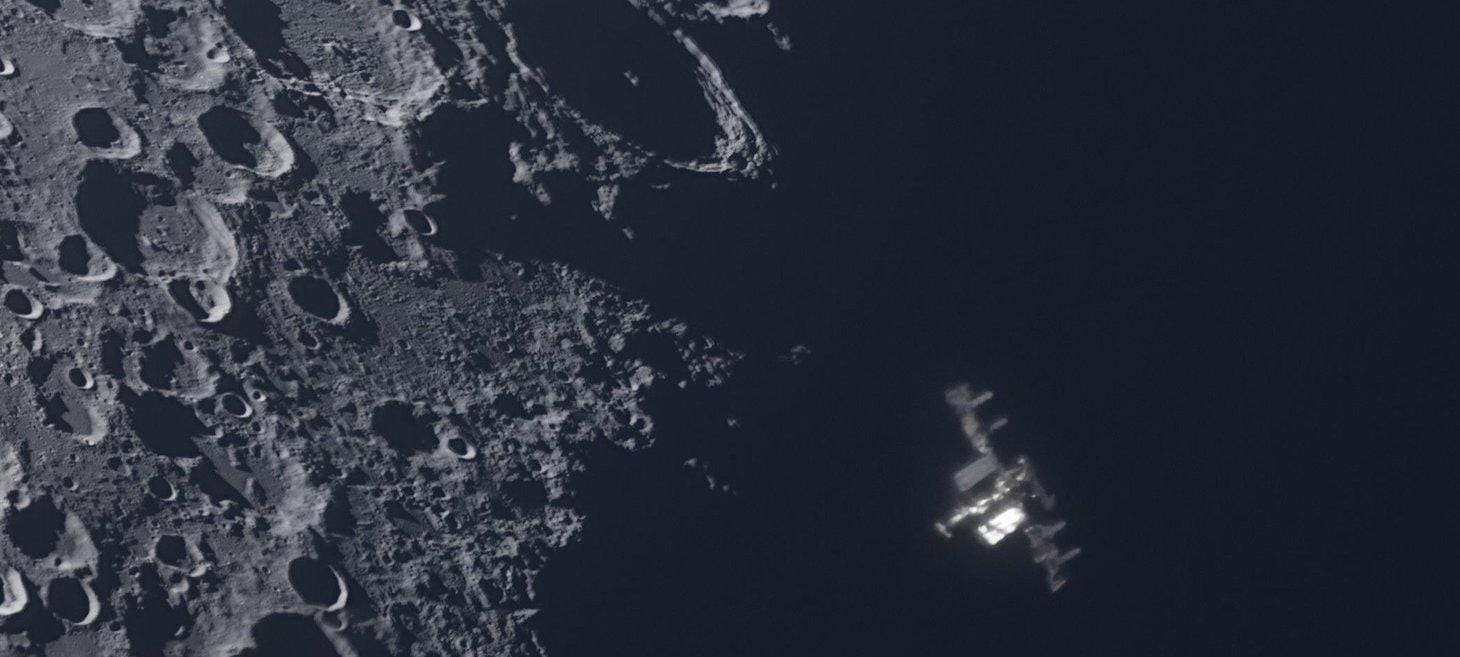
Andrew James McCarthy’s latest photograph, as covered by Mashable, captures the International Space Station passing in front of the moon’s Shackleton Crater. The image is so crisp and surreal that many assumed it was AI-generated. But McCarthy, an accomplished astrophotographer, meticulously planned the shot, enduring equipment failures and harsh conditions to capture it. His work highlights the precision and patience required in astrophotography—something an AI can’t replicate.
We’ve reached a point where extraordinary photography is met with skepticism. Instead of marveling at incredible images, many default to assuming they’re synthetic.
"Here's another example of how jaded we are becoming in terms of supposing that great imagery we see might have been created by AI. This would not have been the case in the past, and I'm not sure whether it has led to a greater appreciation of original photography, or whether we are just so jaded now that the original work seems uninspired by comparison."
Does this doubt push photographers to work harder, or does it make their achievements feel less meaningful?
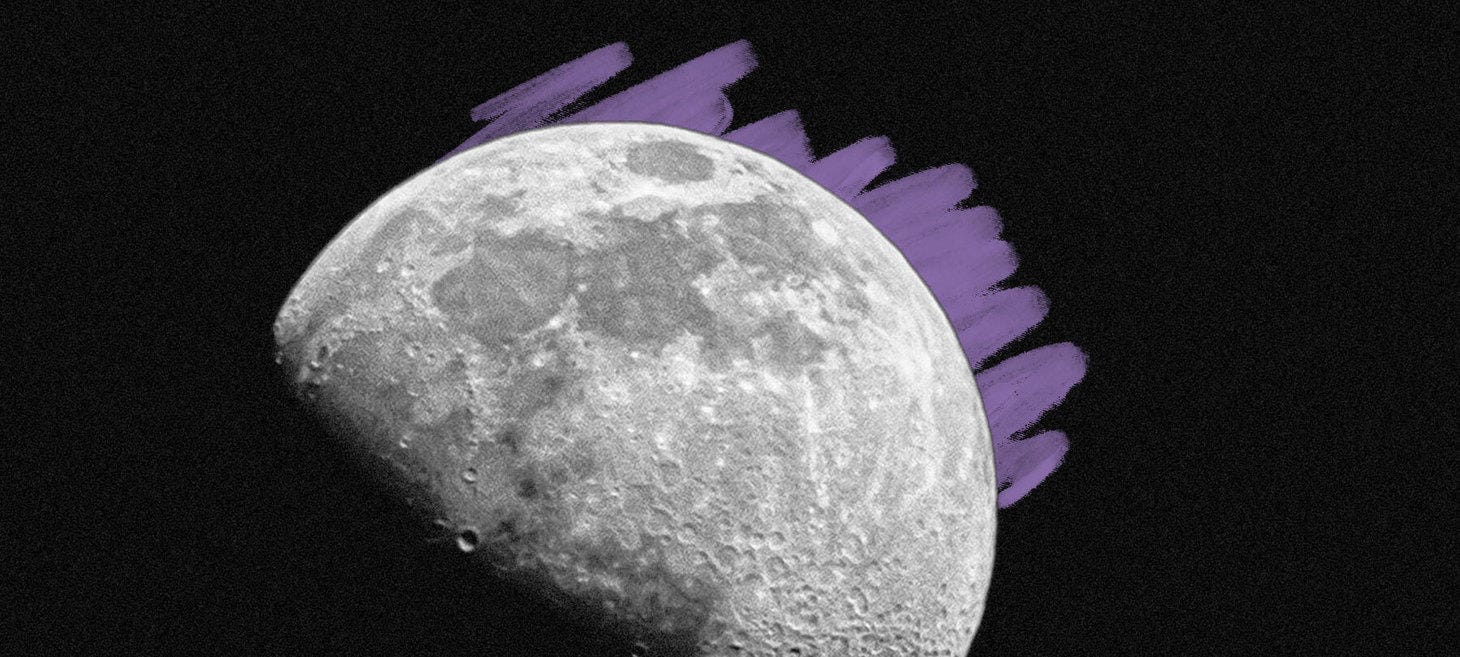
Apollo 12 Left a Piece of Art on the Moon.
Apollo 12 carried more than just scientific instruments to the moon—it also smuggled a piece of art. As reported in an article on r/space, a small ceramic tile etched with artwork by artists like Andy Warhol and Robert Rauschenberg was secretly placed on the lunar surface. Unlike recent, deliberate efforts to send art into space, this one was unsanctioned by NASA and slipped onto the spacecraft without official approval.
I got a chuckle out of the fact that the moon’s first unofficial art exhibit was essentially an act of creative smuggling. We tend to think of space-bound art as a modern concept, but artists were already finding ways to leave their mark beyond Earth decades ago—without waiting for permission.
The idea that a handful of artists managed to sneak their work onto a spacecraft and leave it on the moon feels like the ultimate statement of artistic rebellion. No gallery approval, no institutional backing—just pure, unapologetic expression, now sitting quietly on the lunar surface.
So, if rogue artists were already staking claims on the moon in 1969, what does that say about the future of art beyond Earth?
ART AND POLITICS
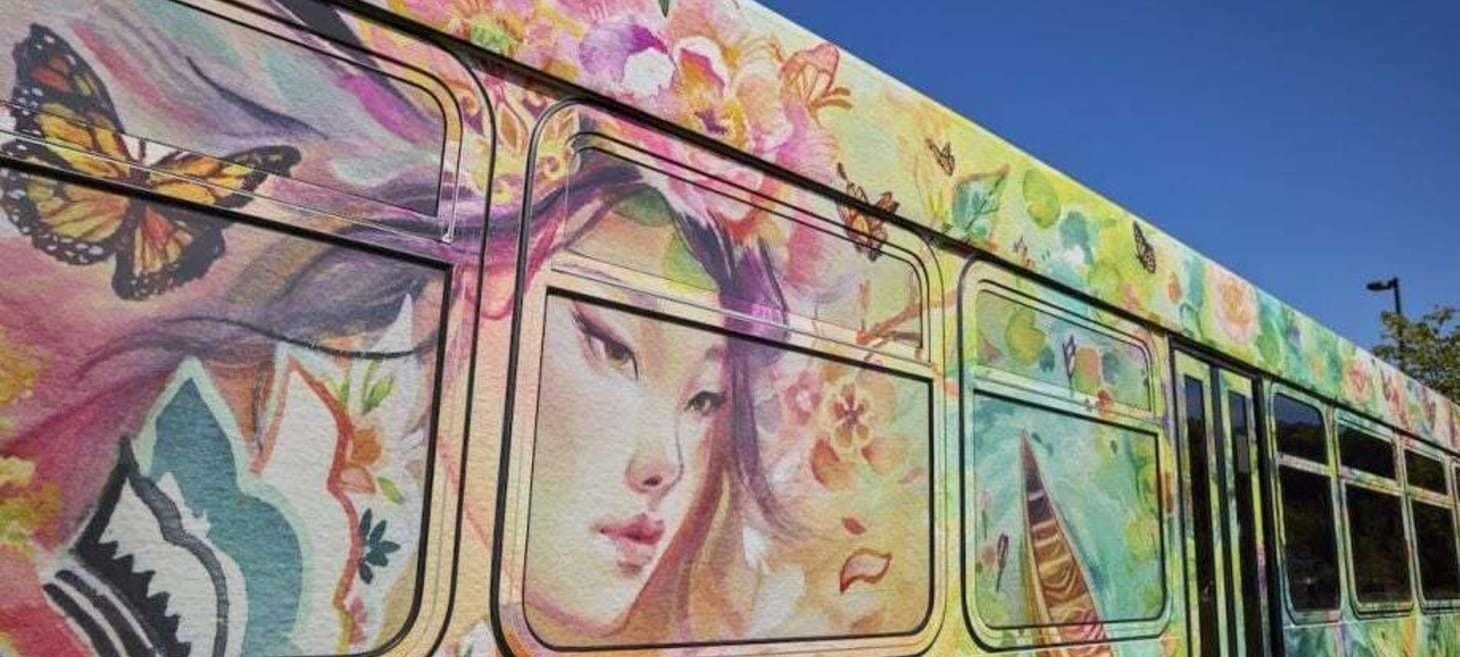
Can Artists Change Government From the Inside Out?
In Next City, Maylin Tu explores how artists like Amanda Lovelee are embedding themselves in government to influence policy with creativity. Lovelee, formerly an artist-in-residence at the Metropolitan Council, describes her approach: “I’m an artist and my medium is government.” Her work challenges the idea that art in public service is just decoration. Instead, it's a tool for reimagining policy, from transportation to water management, with bold, unexpected interventions.
This is exactly the kind of cross-disciplinary experimentation that excites me. But let’s be honest—creativity in governance is a double-edged sword. While artists can bring fresh perspectives, not every self-proclaimed "visionary" should be shaping public policy.
"Policy writing is science fiction writing, right? It’s like dreaming of an unknown future. And who better to do that than artists?"
What happens when the wrong kind of "artist" decides their medium is government? Imagine Elon Musk (who probably thinks of himself as a "government artist" trying his hand at urban planning. Terrifying.
EXHIBITIONS & EVENTS
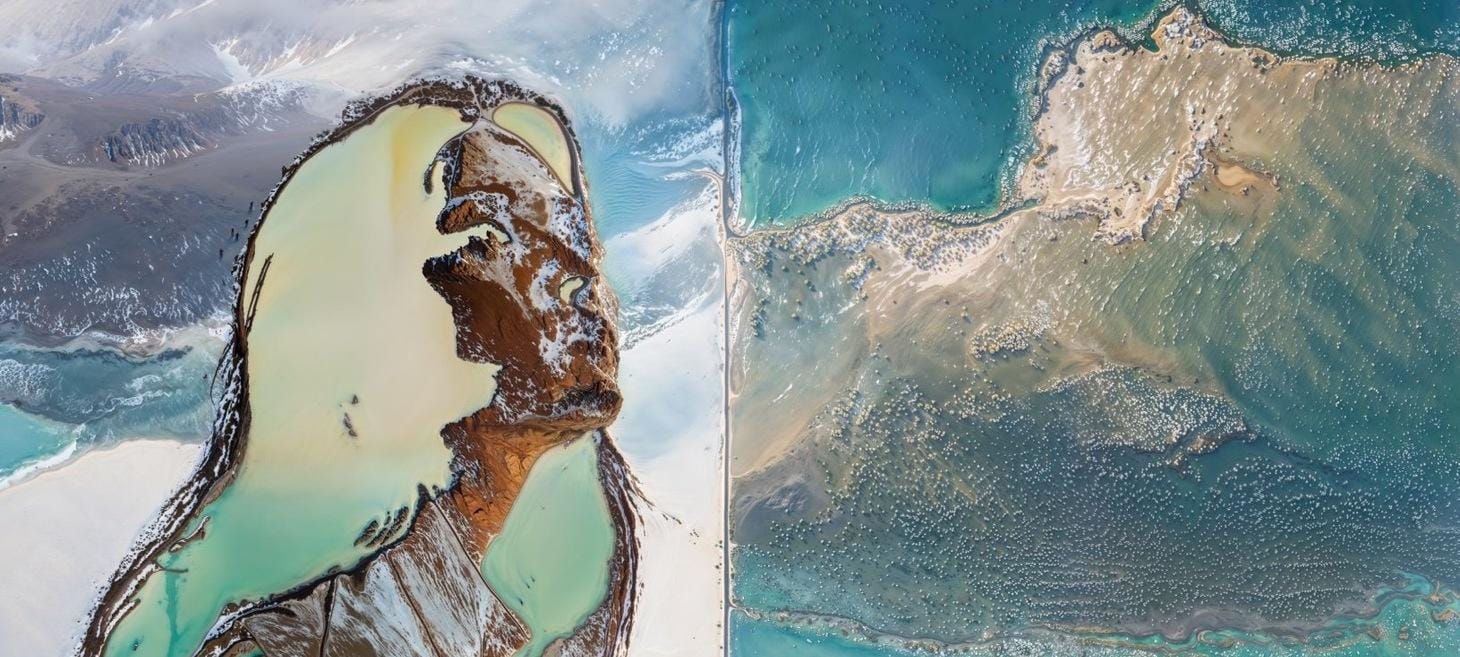
PIVOTAL: Digitalism — British Art Fair
I recently had the chance to meet with filmmaker and digitalist Rebekah Tolley-Georgiou, who curated and launched "PIVOTAL: Digitalism" at the British Art Fair, as previously highlighted in our issue #17, and on their official blog. It was great to hear some of the details behind putting on this groundbreaking exhibition. It marked the first dedicated digital art section in the fair’s 36-year history, breaking attendance records and spotlighting the growing recognition of digital art as a legitimate movement in art history.
What stood out to me was Rebekah’s take that digital art isn’t about replacing traditional mediums but continuing art’s evolution. It's not that AI or digital is the "future of art", an expression Rebekah dislikes.
"Instead, we positioned digital art as another movement in art history, not a replacement for traditional art," she said, drawing parallels to Impressionism and Surrealism. This framing challenges the perception of digital art as transient or secondary.
Are we doing enough to position digital art as equal to traditional art? Or is there still a gap that needs bridging?
(Image credit: X New Worlds, Ripple, 2024, Digital and AI, 105 x 70 cm)
FUTURE TRENDS IN ART AND TECH
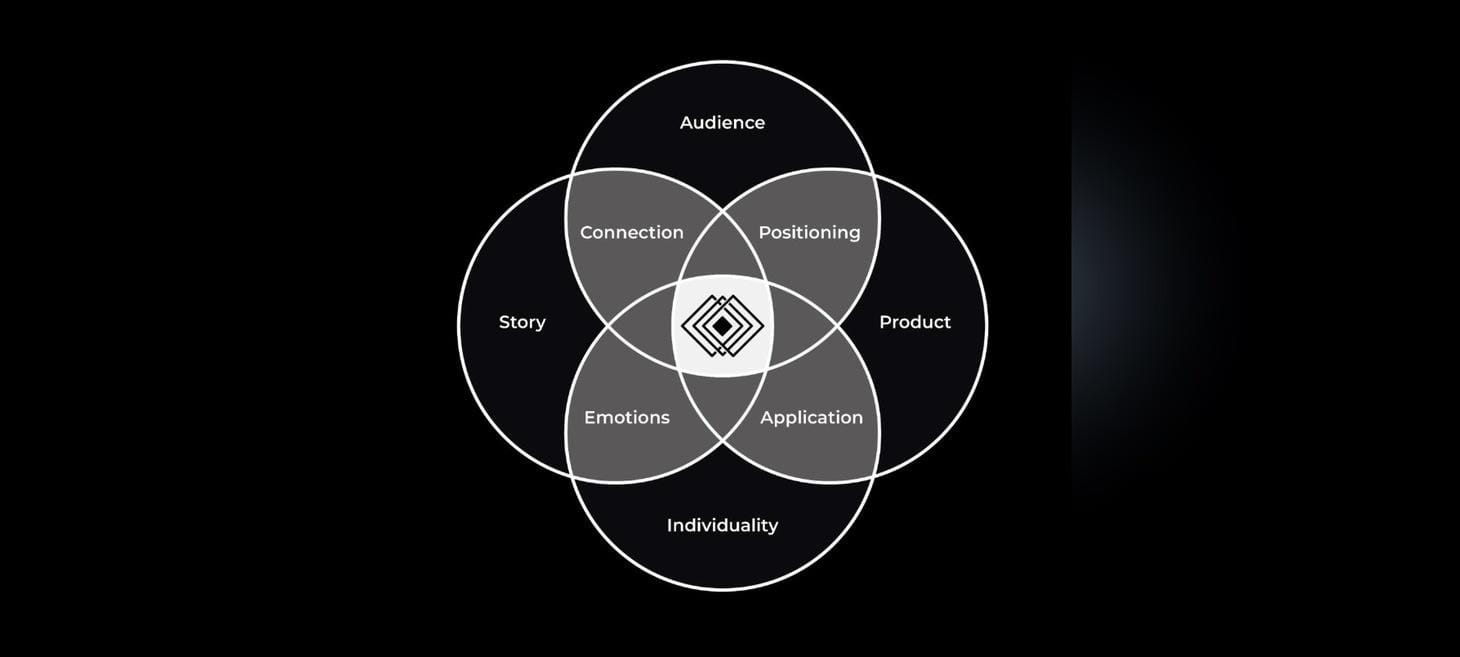
Bridging Tradition and Tech: SYNART's Blockchain Interview With Vitaliy & Elena Vasilieva
SYNART, a blockchain initiative founded by artists Vitaliy and Elena Vasilieva, tackles a major challenge in the art world—authenticity and fair valuation. Their interview, originally published on SYNART’s website, highlights how blockchain can enhance, rather than replace, traditional art. By offering tools like digital authentication, tokenized ownership, and AI-driven valuation, SYNART aims to create a more transparent and equitable space for artists and collectors.
Blockchain remains one of the most misunderstood technologies in the arts. Many see it as a threat, but it’s really a tool—one that can protect intellectual property, ensure fair pricing, and help artists establish market credibility. Platforms like SYNART provide practical ways to integrate blockchain without compromising artistic integrity.
“Blockchain is not a threat to art—it’s a tool that opens new possibilities. Start by registering your work on the blockchain for authenticity, explore tokenization and how it protects intellectual property, and use SYNART’s price oracle to grow your market value organically.”
Are artists hesitant about blockchain because of its complexity, or is it the traditional art world’s resistance to change?
THE LAST WORD
Thanks for reading and for being part of this journey into the intersections of art and technology. Your curiosity and engagement bring these conversations to life. If a particular story resonated with you—or if you have a completely different take—let me know. I’d love to hear your thoughts.
Until next time, let’s keep questioning the ways creativity and tech shape each other, and ourselves.
Warmly, Juergen
Member discussion