
When Machines Judge Art
 Greetings from Juergen
Hi all,
This week's stories point to a clear shift in how we determine artistic value. AI authentication tools just doubled prices at Germann Auction House, while PxE's new holographic sensors are changing how our phones capture images. These developments raise questions about trust and authenticity in art.
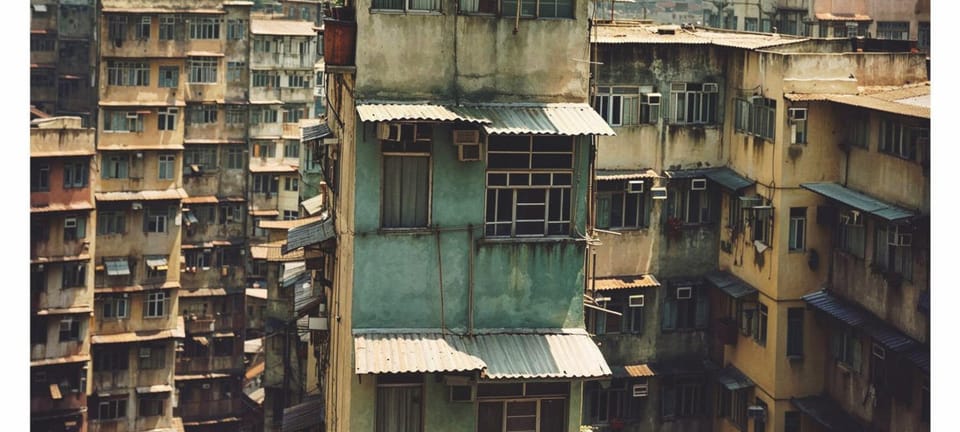
I'm sharing Sougwen Chung's work with robotic painting arms that respond to her brainwaves, and Bianca Tse's AI-enhanced reconstructions of Hong Kong. Both artists show how creative control evolves when humans and machines work together.
AI IN VISUAL ARTS
Bianca Tse’s Alternate Hong Kong
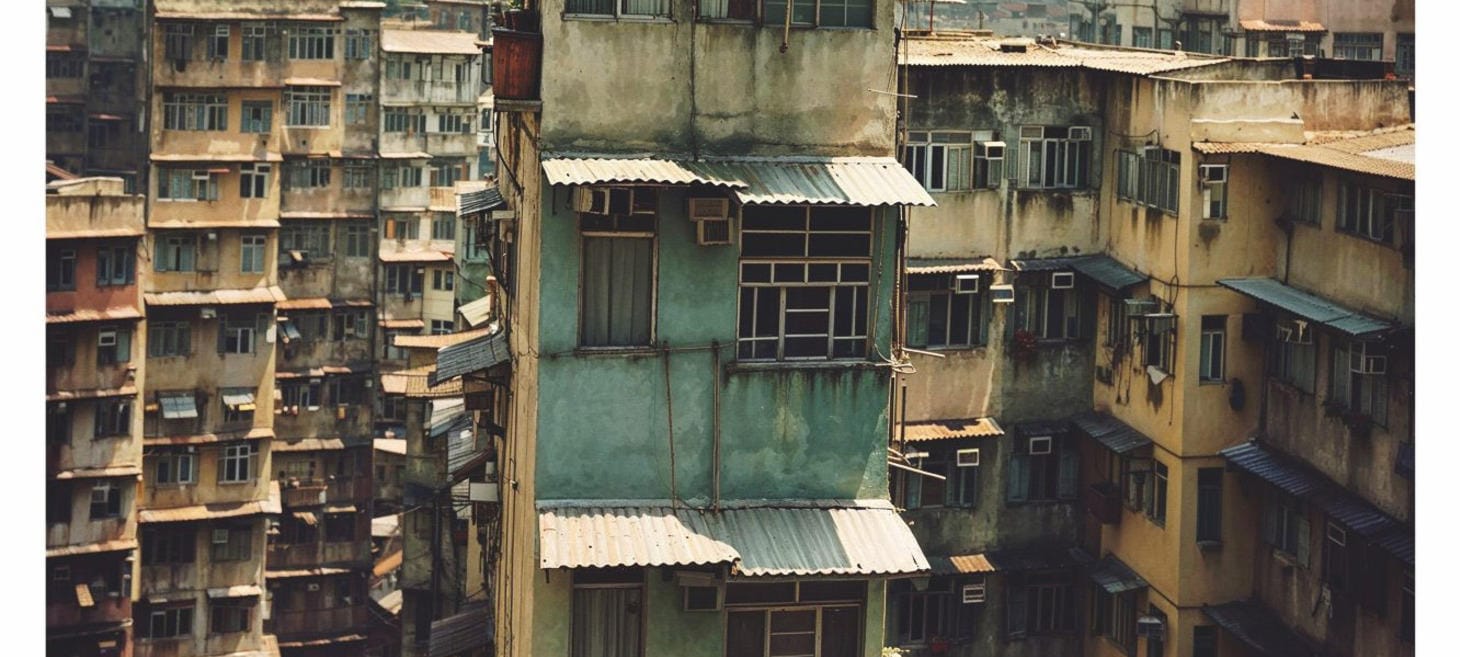
Bianca Tse’s work, as featured on Moss and Fog, reimagines Hong Kong through a blend of AI-generated imagery and digital artistry. Her pieces capture the tension between nostalgia and dystopia, showcasing neon-lit streets, precarious cityscapes, and surreal yet familiar scenes. It’s a response to globalization’s rapid reshaping of her city—part preservation, part innovation.
From my perspective, what makes these works compelling isn’t just the AI component. There’s more here than pressing “generate.” Tse’s process involves layering techniques like Photoshop and other tools to refine her vision. This added complexity elevates the work, allowing her narrative and artistry to shine through the technology.
I believe art like this only resonates when intention, storytelling, and technical skill converge. AI may assist, but the artist’s fingerprints must remain visible to ground the work emotionally and conceptually.
Do these images preserve culture, or are they artifacts of a culture already transforming?
IN DEPTH: ON MY SUBSTACK BLOG
AI in Art Authentication: Trust, Skepticism, and Marketing
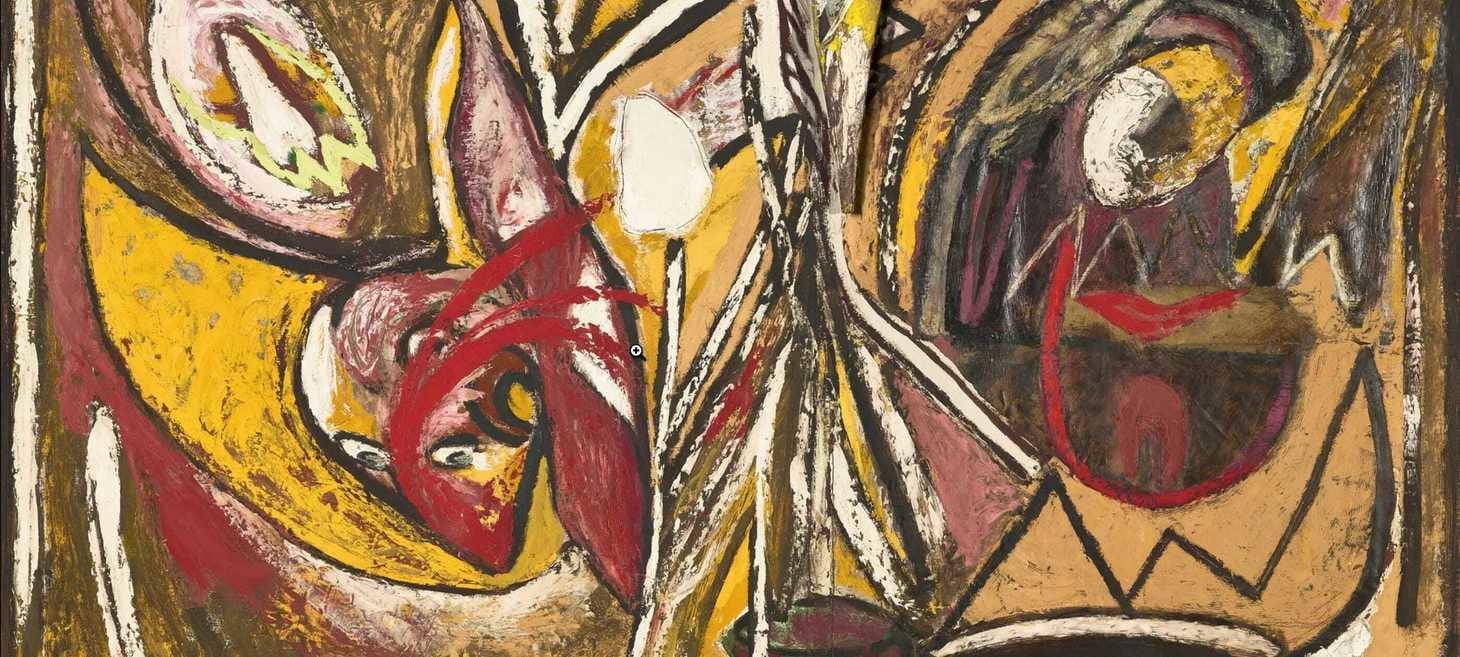
Recent sales at Germann Auction House are stirring up conversations about AI and art authentication. As reported by George Nelson in ARTnews, the auction featured a Marianne von Werefkin piece authenticated solely by AI from Art Recognition and sold for nearly $17,000—double its high estimate. On my Substack, I explored how this moment reflects deeper shifts in how auction houses use AI not just as a tool, but as part of their marketing narrative to build trust and sell credibility.
To me, this isn't just about verifying art. It's about the optics. AI is being positioned as a modern seal of approval, but that trust is a fragile commodity.
"The answer isn't AI alone or human expertise alone. It's the combination of both that will shape the future of authentication and trust in the art world."
How much of this trust is earned, and how much is sold?
PHOTOGRAPHY
This Tiny Sensor Could Be the Future of Smartphone Photography
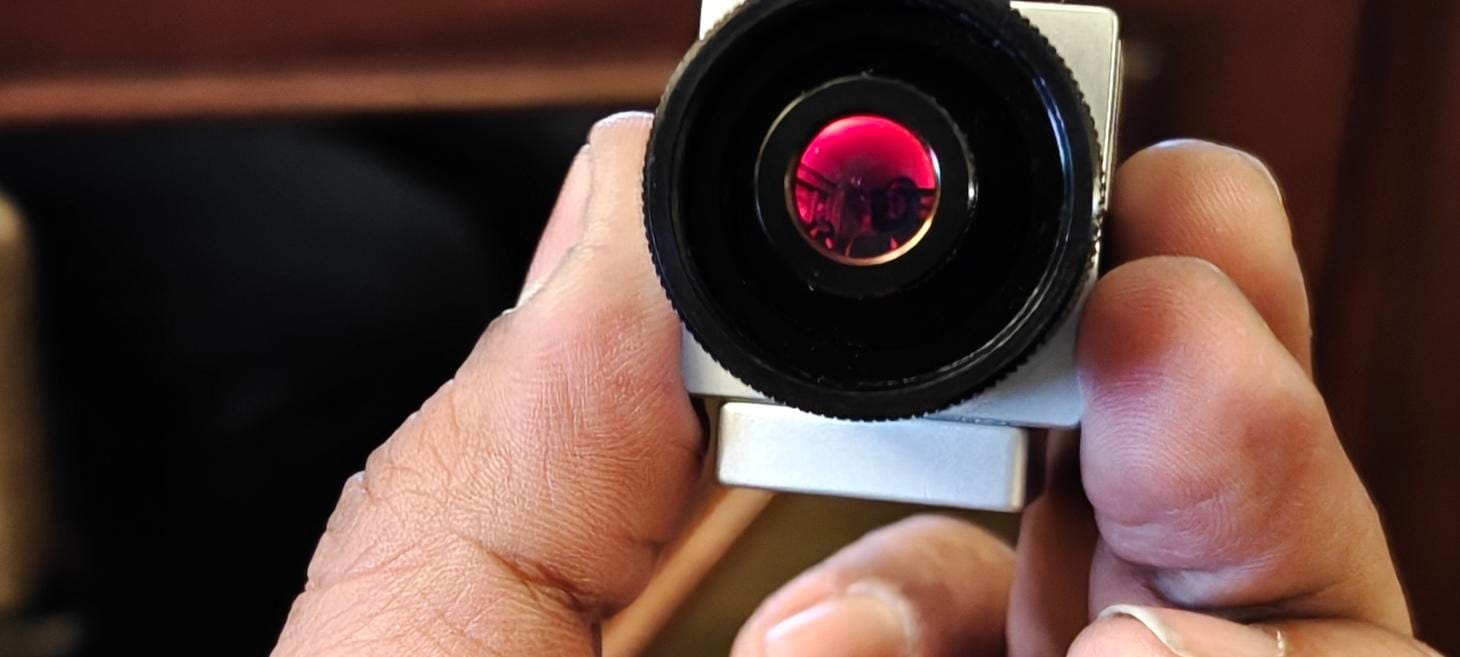
The recent CES announcement of PxE’s holographic sensor technology, as covered in Nirave Gondhia’s piece for Digital Trends, showcases a leap in smartphone photography. This tiny sensor abandons traditional imaging methods, instead treating light as waves, which allows for unprecedented precision in depth information—even down to micro-movements. It’s a fascinating development that could redefine what our smartphones are capable of capturing.
It strikes me as funny, though, how much effort we pour into replicating “bokeh”—a term borrowed from Japanese photography to describe those beautifully blurred backgrounds. We used to get this by adjusting a camera lens with great care. Now, we’re reverse-engineering it digitally, simulating what used to happen naturally with fancy glass.
“It still seems a little anachronistic to me, but there’s no getting around it: a beautifully blurred background removes distractions in portrait photography in so many ways, and I’m all on board.”
Do we love bokeh because it’s artful or because it hides the clutter of our lives behind a soft haze?
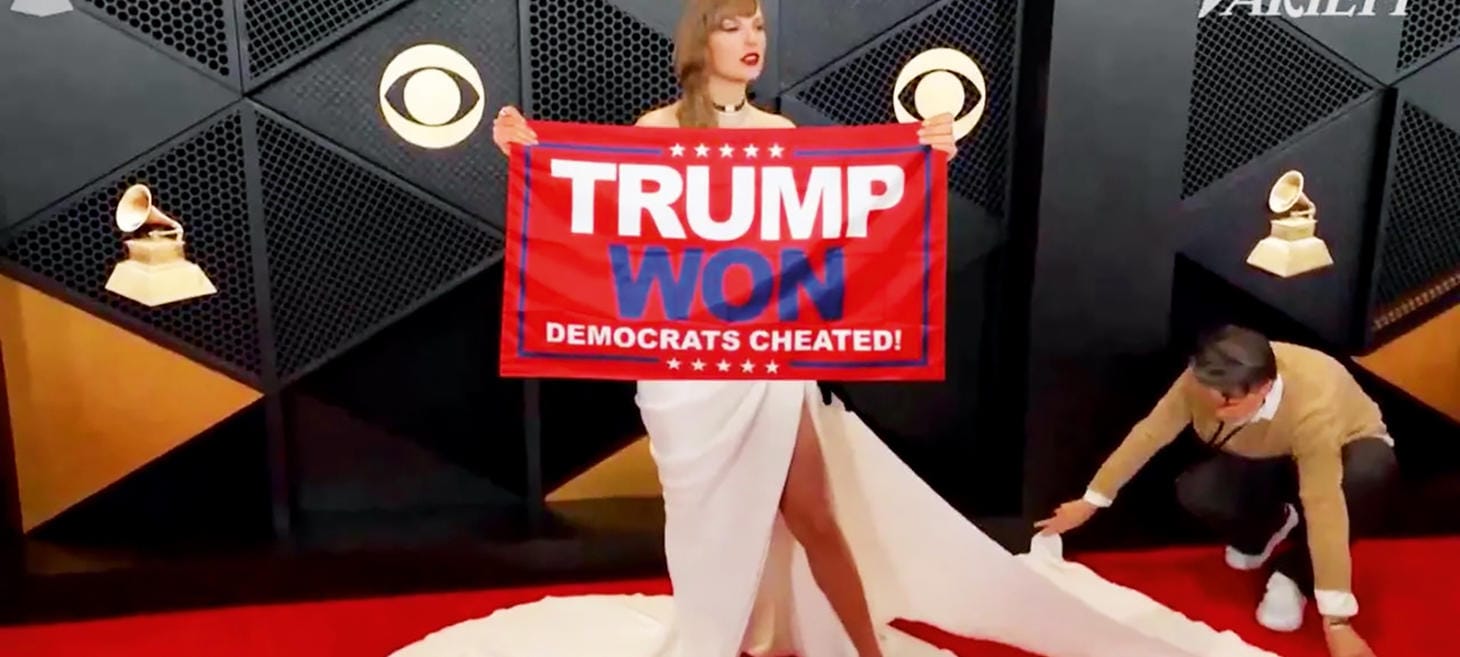
Is Documentary Photography at a Crossroads?
Fred Ritchin's recent discussion, highlighted in Hyperallergic, delves into the precarious role of documentary photography in an era defined by AI, misinformation, and the erosion of democratic norms. It’s a timely and essential conversation about restoring credibility to visual media, particularly in how we perceive shared realities.
You know, as an art photographer, I’ve always leaned toward bending reality to uncover new perspectives. But documentary photography operates on a different premise—it’s about creating a collective understanding. The tricky part is balancing this shared truth with the distortions we introduce as artists to provoke thought and challenge assumptions.
“The challenge isn’t just technical—like verifying AI-generated images—it’s about rebuilding trust in what we see,” Ritchin argues, pointing out that the solutions must integrate human values alongside technological tools.
Do artists have a responsibility to uphold reality, even as we intentionally subvert it to make a point?
Q+ART & PODCAST INTERVIEWS
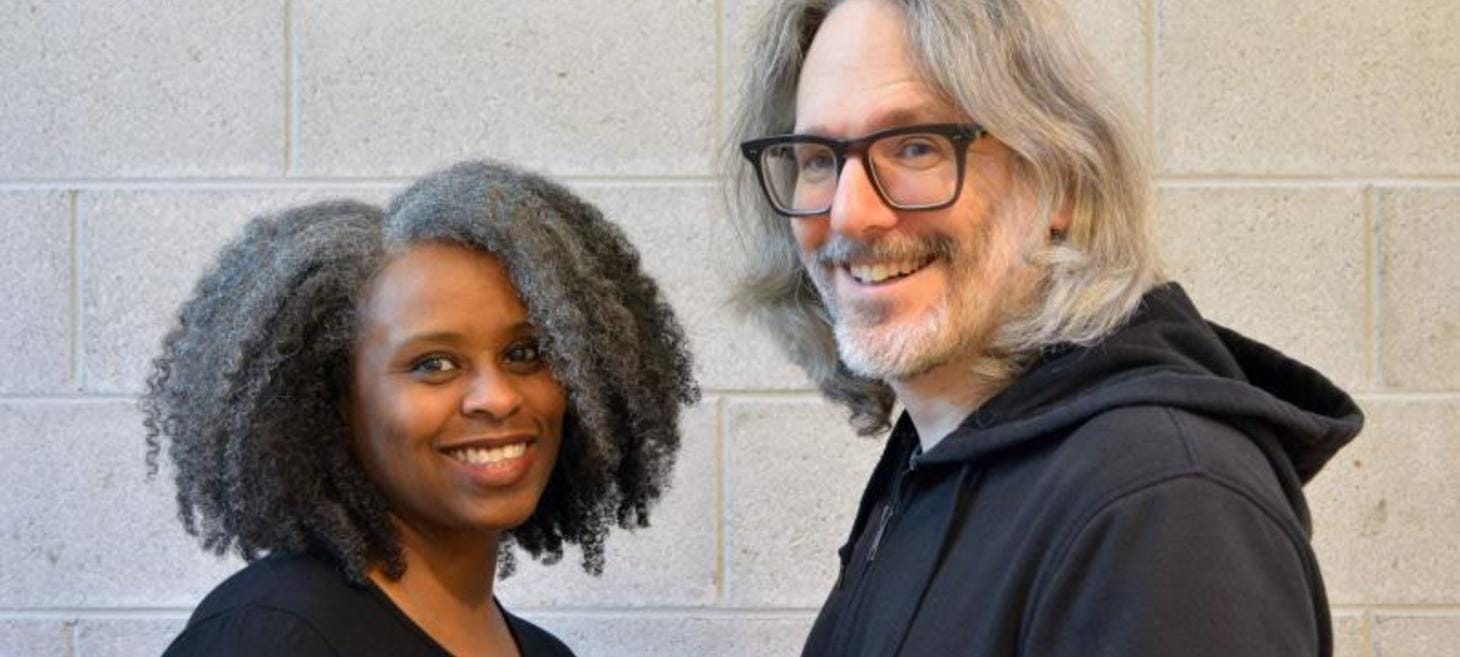
NEA Tech Check: Rootoftwo
The NEA’s interview with rootoftwo, a collaborative duo blending art, design, and technology, highlights their fascinating work at the crossroads of culture and tech (via Jax Deluca, National Endowment for the Arts). From creating Detroit’s public Wi-Fi network during the pandemic to running the Michigan Central x Newlab Art + Technology Residency, their projects illustrate how art can challenge, connect, and expand our understanding of technology.
These partnerships are the kind that ignite my imagination. I’m particularly struck by their push for AI transparency in creative work. It’s a conversation we need, especially as AI reshapes how we think about authorship and originality.
“Artists, creative practitioners, and the cultural sector can play a role in unpacking the complexity of technological transformation in society,” rootoftwo explains, reminding us of art’s critical role in shaping ethical tech futures.
Who else is out there merging creativity and tech in ways we should explore together? Let’s collaborate.
SUSTAINABILITY IN ART AND TECH
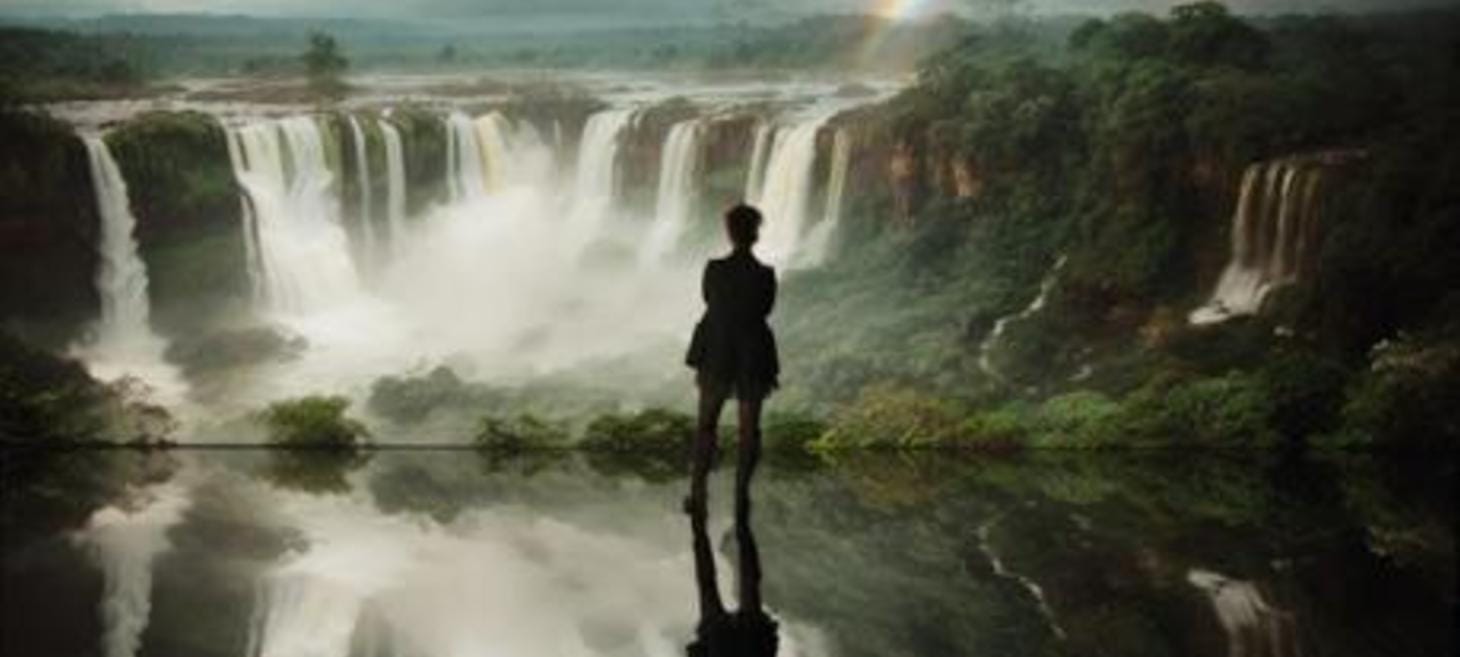
Refik Anadol: The AI Artist Sounding the Alarm on Glacial Destruction
Refik Anadol’s AI-powered installation, featured at the 2025 World Economic Forum opening concert in Davos, highlights the catastrophic impact of climate change on glaciers. As reported by The Art Newspaper, Anadol's immersive artwork integrates over 10 million images of glaciers, gathered from expeditions to Antarctica and Iceland, into a Large Nature Model built with ethically sourced data. The installation aims to inspire global leaders to act on environmental preservation.
I'm working on a white paper about AI in the arts, focusing on the environmental costs of training AI models. It’s hard not to see irony here: using power-hungry AI processes to critique climate change.
Anadol’s work invites reflection on glaciers’ fragility, yet it also prompts questions about the energy footprint of such artistic endeavors—how can we reconcile this with the message?
Can art about environmental collapse avoid contributing to it?
FUTURE TRENDS IN ART AND TECH
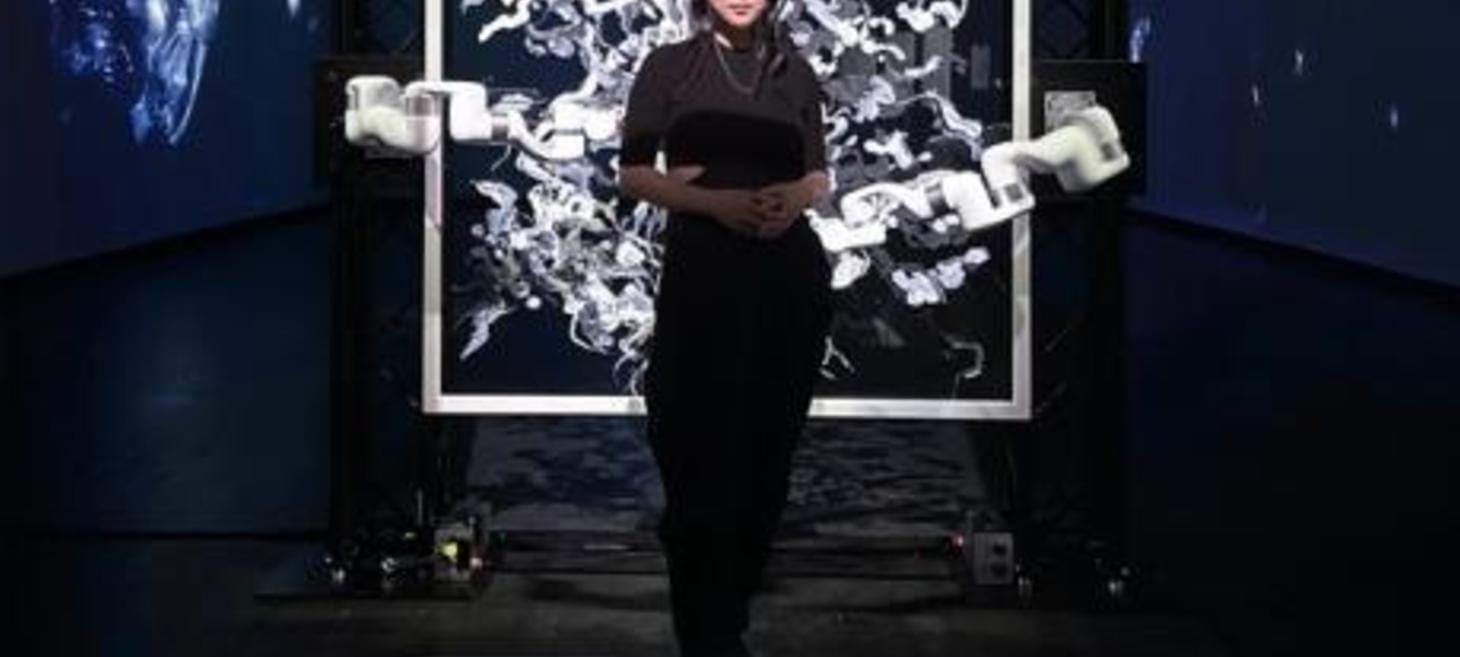
Sougwen Chung: Meet the Boundary-Pushing Pioneer of Robot Art
Chinese Canadian artist Sougwen Chung continues to redefine human-machine collaboration, as reported by The Art Newspaper. Her latest work, Spectral, will debut at the 2025 World Economic Forum. The kinetic installation pairs Chung’s brainwave-driven biofeedback with robotic painting arms, translating thought into painterly motion. Chung emphasizes that this process, reflecting her meditative development, is “the art itself.”
This kind of collaboration between AI and artists is fascinating. It’s not about machines taking over creativity but blending human intentionality with computational capabilities. Galleries are now adopting nuanced metrics to evaluate AI-assisted art, prioritizing the artist’s contribution (35%) over mere technical complexity (25%). That’s a critical shift toward valuing the creative dialogue, not just the output.
“The potential of invigorating artistic tradition through technological development is still in its early stages,” Chung reminds us. It’s not the machine—it’s the synergy.
Are we rethinking what “authorship” means in art, or are we just redefining its boundaries?
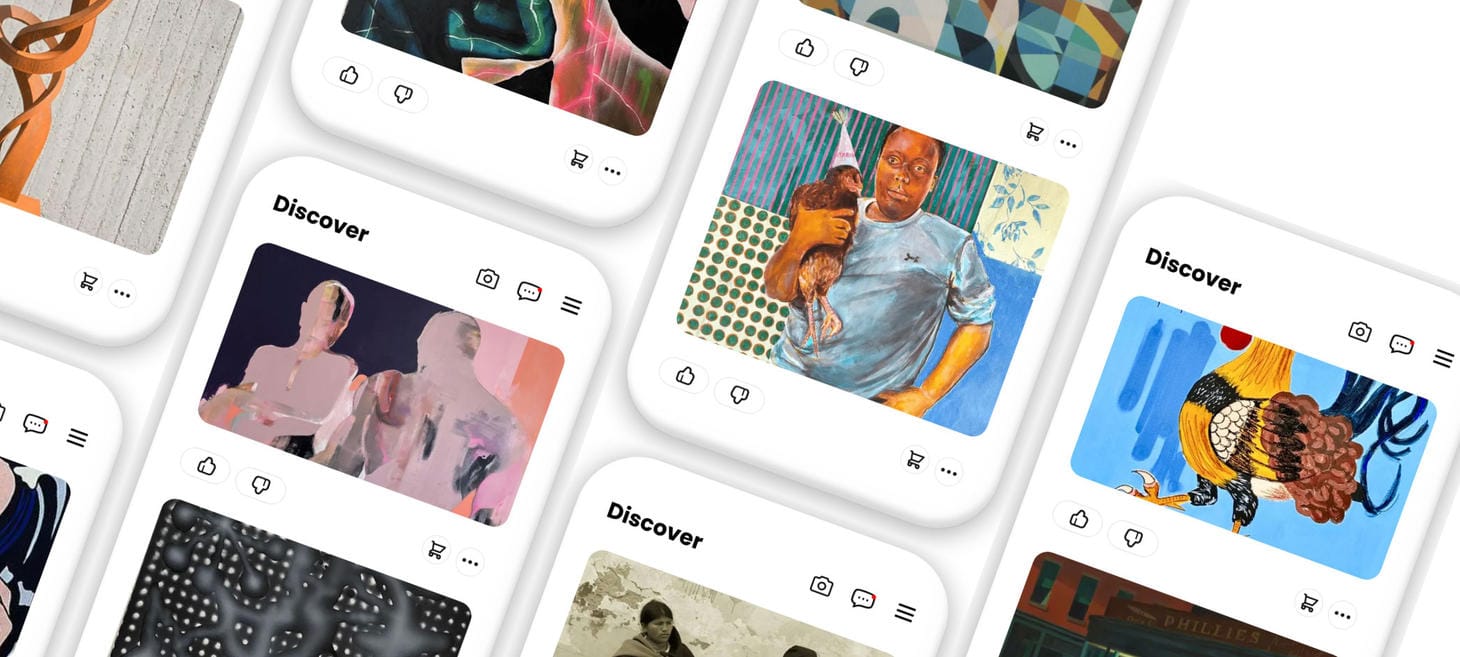
Making the Art World More Accessible
The MIT News recently profiled NALA, a startup by MIT alum Benjamin Gulak, aiming to dismantle traditional gallery gatekeeping. NALA connects artists directly with buyers through a tech-driven platform, bypassing the hefty commission structure of galleries. With over 8,500 artists and 20,000 buyers already engaged, NALA uses AI to match art with collectors, creating a more inclusive and global marketplace for artists.
This resonates deeply with me. I’ve long been invested in initiatives that amplify underrepresented artists and celebrate diverse creative voices. Platforms like NALA feel like the start of something critical: a movement toward greater equity in the art world, something I’ve hoped for in my own collaborations with sustainable online galleries.
“We’re opening the art world to all artists, creating a true meritocracy,” says Gulak. That kind of vision is overdue—and worth celebrating.
Could this signal a broader shift in how we value and discover art?
THE LAST WORD
The stories this week made me think hard about trust in art - especially after writing about those AI-authenticated auctions. Your responses to previous issues have sparked good conversations about artistic value and authenticity. I'd like to hear what you think about AI's role in determining art prices, or how you view machine-human creative partnerships. These discussions shape how I approach future issues.
Best, Juergen
Member discussion