
Photography's Identity Crisis in the Age of AI
 Greetings from Juergen
Hi all,
This week, I’ve curated more stories to explore the ever-evolving relationship between art and technology. From Imogen Heap's innovative use of AI in music to the resurgence of photography amidst the challenging backdrop of AI-generated images, there’s much to reflect on. We also touch on the ethical dilemmas surrounding AI's use of artists' works and explore how virtual art can offer a refreshing break from urban life.
As always, I hope these stories spark your curiosity and creativity.
TECHNOLOGY IN MUSIC
AI.Mogen
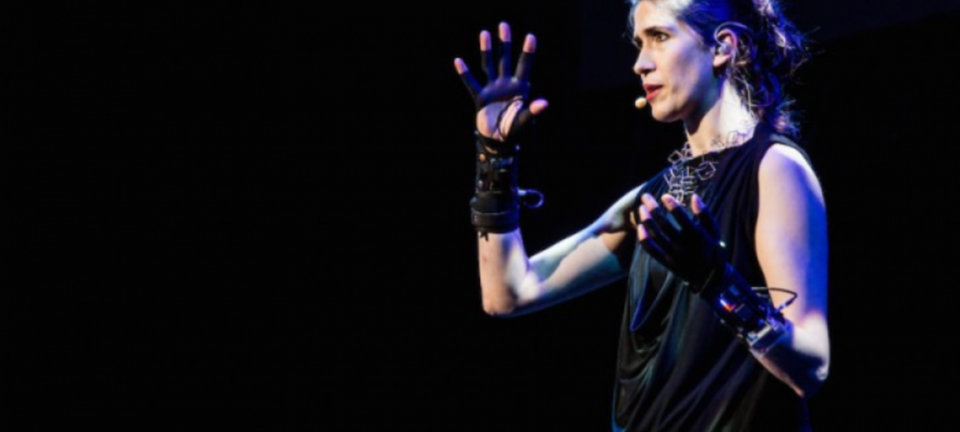
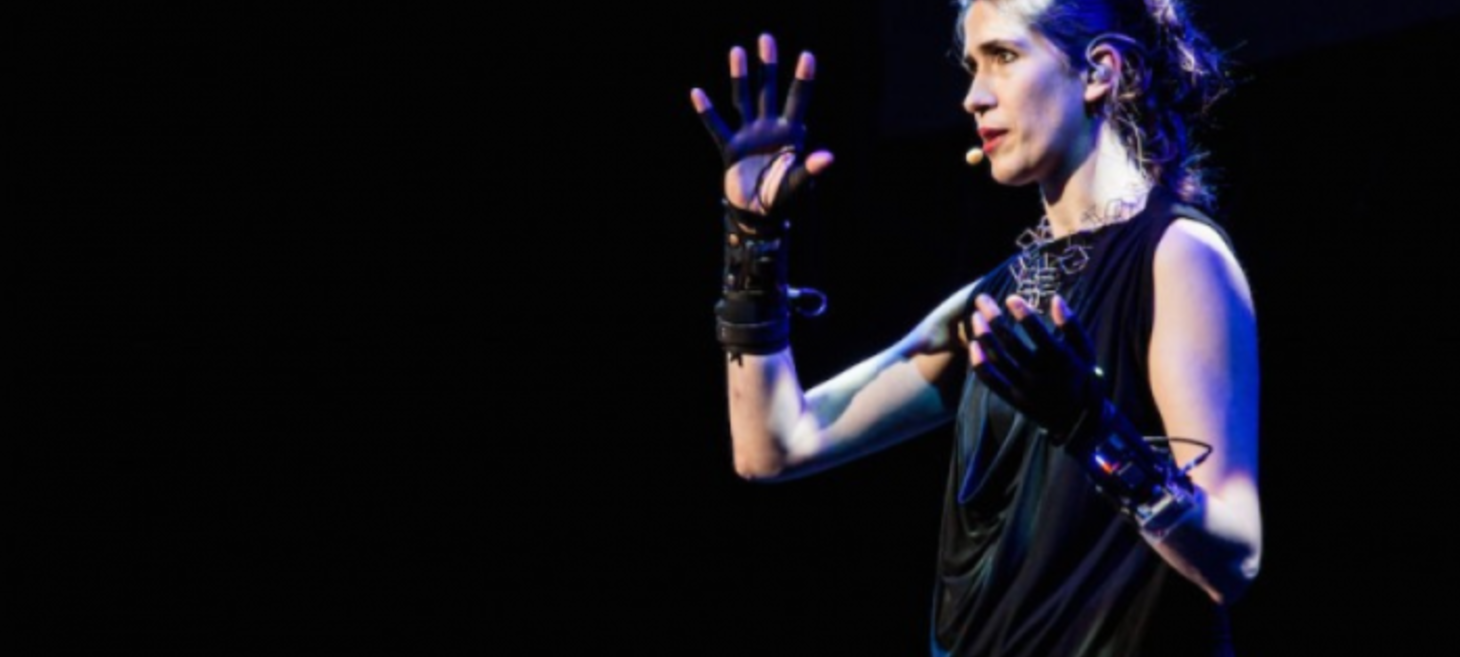
Imogen Heap, as profiled by Design Indaba, is pushing the boundaries of how AI can collaborate with musicians. Her creation, "Mogen," a digital version of herself, allows fans to interact directly with the AI in a way that reflects Heap’s voice and personality. Through this, she’s opening up new ways for artists to connect with their audience while exploring AI’s creative potential.
What’s interesting here is how Heap manages to blend AI-generated elements like harmonizing and remixing, without losing the human touch. The artist still maintains control, using AI to enhance rather than replace her creative process.
"Heap’s work with AI attempts to show us a path where the machine can co-create, but the artist remains in the driver’s seat. It’s supposed to be a partnership, not a takeover."
How much control are musicians and artists willing to give up in exchange for the possibilities that AI offers?
PHOTOGRAPHY
Why Is The Art World Focusing On Photography Just As AI Images Are Becoming Harder To Detect?
As The New York Times recently pointed out, many major art dealers are turning their focus back to photography, even as AI-generated images become harder to distinguish from the real thing. Irving Penn’s work, for example, is getting a revival at Pace Gallery this fall, amidst a wave of photography shows across the U.S. It seems paradoxical, right? Just as we lose trust in images, we rediscover their importance.
What’s fascinating here is how this shift taps into a deeper anxiety. If AI can generate an image we can't verify, photography—once seen as "truth"—now becomes a tool to question reality itself.
“The link between a photograph and the outside world broke very recently and I’m not sure we’ve really thought through the implications of that, culturally,” said the New York artist Trevor Paglen.
So, where do we draw the line between authenticity and illusion? Or, more importantly, does it even matter anymore?
AI Is Just One of The Thorny Issues Facing Photography – Here’s how The Industry Can Prioritise Ethics
The Conversation’s recent piece on photography ethics highlights how AI-generated imagery is complicating our already fraught relationship with photography’s role in truth-telling. The article draws interesting parallels between traditional photography and the growing use of AI, both of which are now dangerously close to altering our perception of reality.
It’s fascinating to observe how this mirrors broader issues in media—both photography and news journalism are battling similar ethical dilemmas. The challenge to maintain integrity while embracing technological advances is ongoing, and it feels like we’re always one step behind in addressing these concerns.
As photographer Kirsty Mackay puts it: “What we see, quite often, is middle-class photographers making a story about working-class people... really for themselves, and for their own ego, and to elevate their status.”
The question is, how do we balance innovation with ethical responsibility in an industry where the lines between real and fabricated are increasingly blurred?
ARTIFICIAL INTELLIGENCE AND CREATIVITY
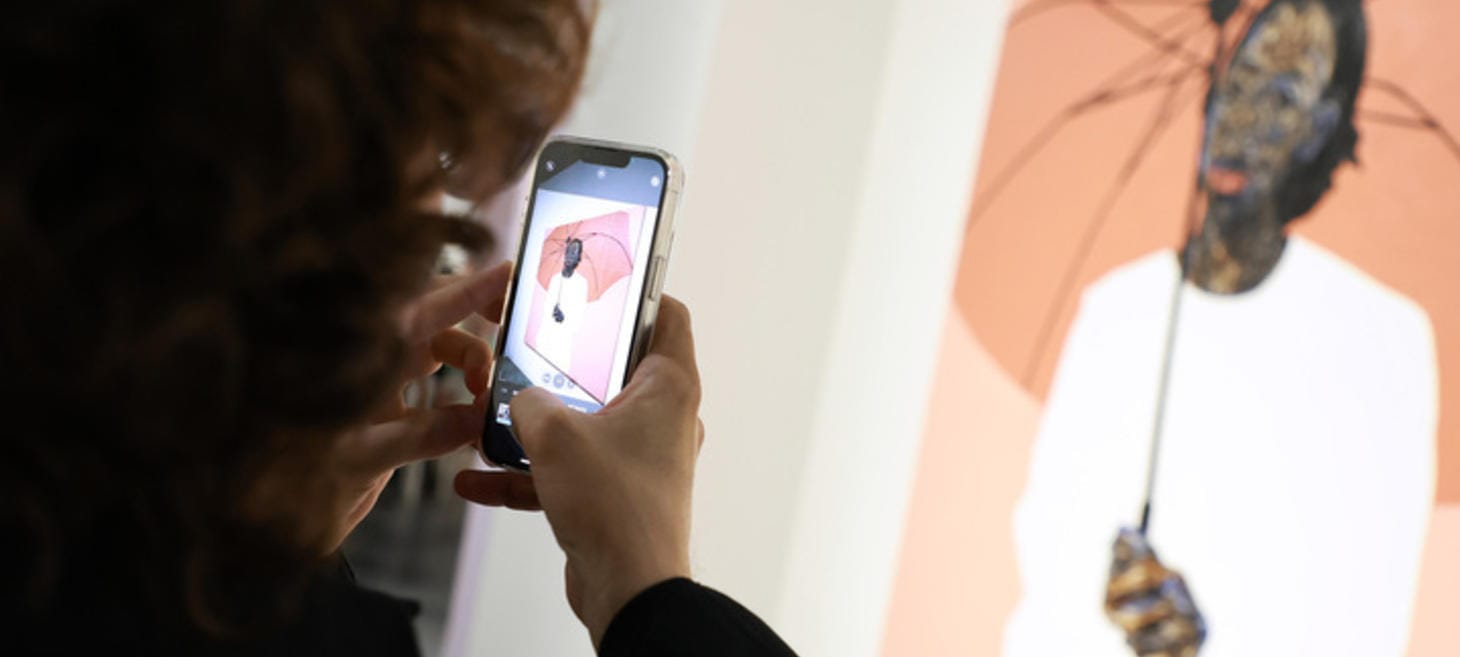
25K+ Artists Decry “Unlicensed Use of Creative Works” to Train AI
Over 25,000 artists and creatives, including Amoako Boafo, Cecilia Vicuña, and Lynn Goldsmith, have signed a petition against the unlicensed use of their work to train AI, as reported by Hyperallergic. The petition, led by composer Ed Newton-Rex, highlights a major concern: the exploitation of creative work without permission or compensation. Newton-Rex argues that AI companies are profiting from artists’ life’s work under dubious “fair use” claims.
At the heart of this issue is a clash of perspectives. Artists are seeing their livelihoods threatened, while AI companies claim their methods are within legal limits. But does scraping the internet for creative content equate to a human learning from what they encounter online?
“AI companies are building their products by ingesting the life’s work of creatives, without payment and without permission,” says Newton-Rex.
How do we draw the line between inspiration and exploitation in the digital age?
DEFINITELY NOT AI
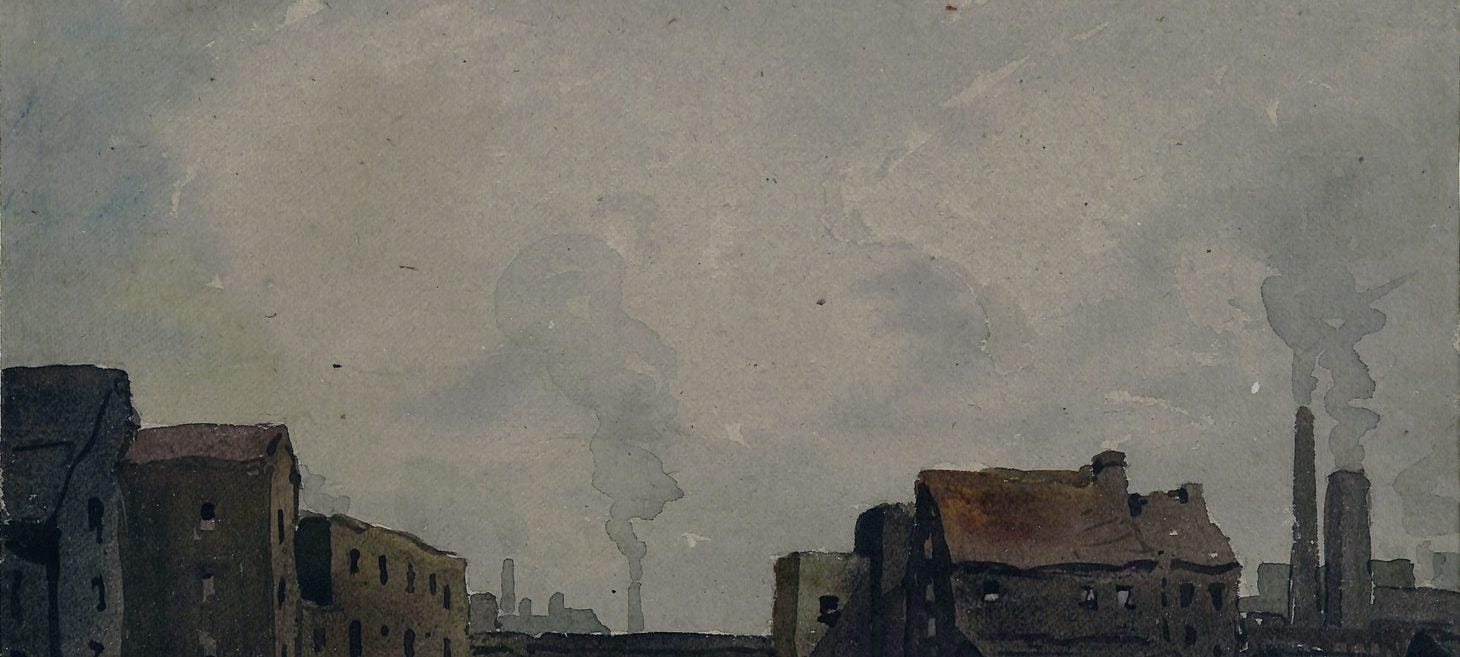
Watercolours of Industrial Landscapes – Grey, Grimy but Gorgeous
The V&A Blog explores an intriguing collection of watercolors that depict industrial landscapes—factories, quarries, and canals—painted in the 19th and early 20th centuries. The article presents these works as equally captivating as the traditional nature scenes we often associate with watercolors.
What strikes me here is the unexpected use of watercolors to document industrialization. When you think of watercolors, you probably imagine tranquil countryside scenes, not grimy factories. Yet, that’s what makes these pieces so fascinating. I love the contrast between the soft, delicate quality of the medium and the harsh, mechanical subjects it portrays. It’s a perfect tension.
"These works are gorgeous, and I love the idea of using watercolors for them because it is so counterintuitive. The depiction of machinery and factories using watercolors creates a super interesting juxtaposition from my point of view."
Would you ever think of using watercolors to capture a factory’s beauty?
Q+ART & PODCAST INTERVIEWS
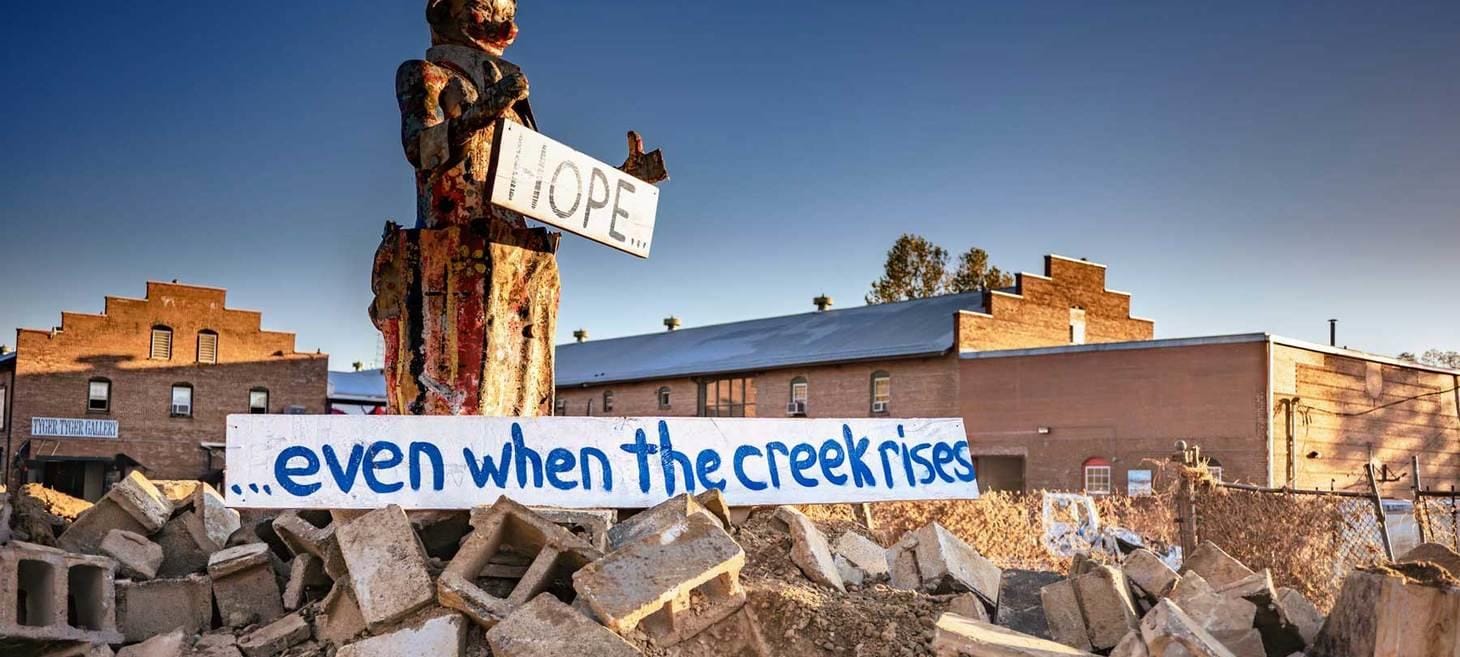
Resilience in Asheville's River Arts District After Hurricane Helene
In a recent piece from Artsville, the aftermath of Hurricane Helene on Asheville's River Arts District is laid bare, revealing significant destruction that affected both the environment and the artist community. With an estimated 80% of the district’s structures damaged, the impact on local artists is profound, leaving many scrambling to rebuild their lives and workspaces.
Given the short attention span and rapid news cycles today, we think it’s vital to keep the stories of these artists alive, long after the headlines fade. Our creative communities deserve ongoing support and visibility, especially during such trying times.
"At Artsville, we are determined to keep the plight of affected artists front and center."
How can we collectively ensure that the voices of these artists are not lost in the shuffle of fleeting news?
SCULPTURE
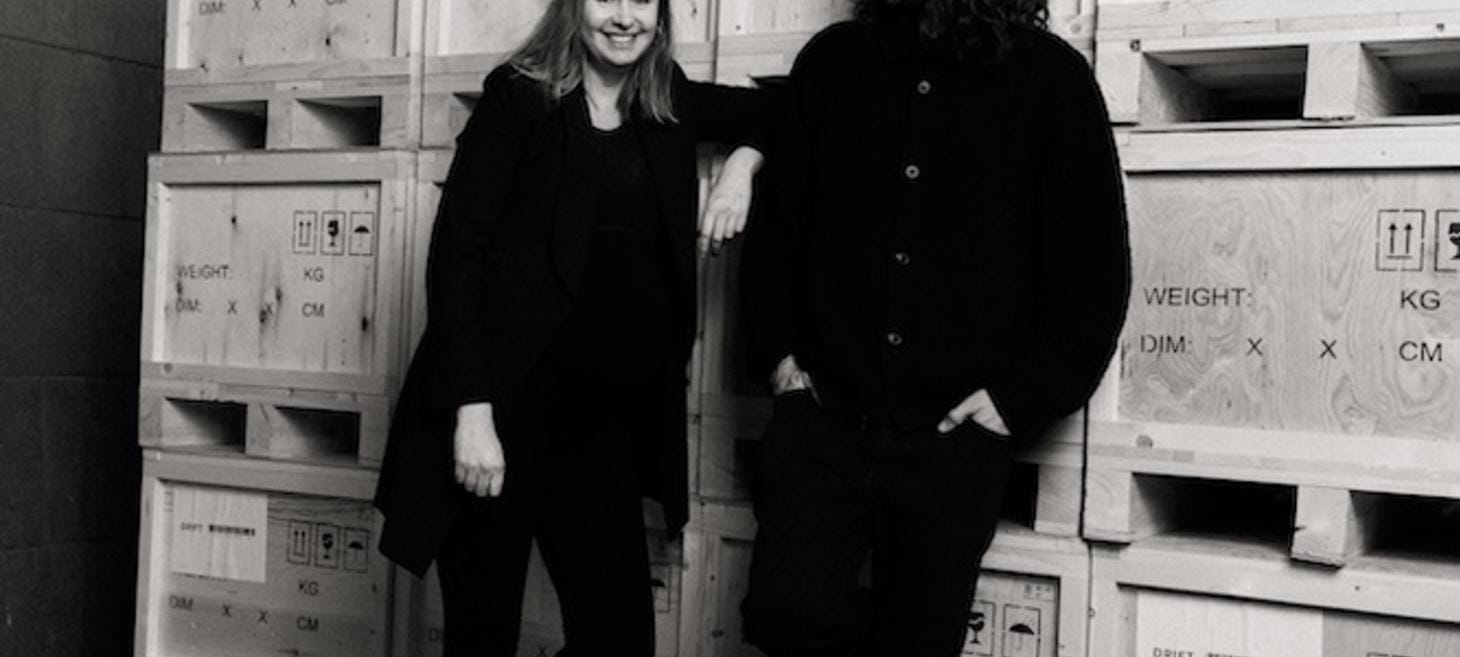
DRIFT Sparks a Coded Connection to Nature in Paris
DRIFT’s latest project, featured in Whitewall, continues their exploration of nature through digital art, this time for Whitewall Projects’ debut in Paris. The Amsterdam-based collective has always amazed me with how they blend technology with organic forms, and this new installation is no exception. It’s fascinating how much these urban artists focus on nature, especially given their environment.
I’ve written before about how DRIFT reflects a longing for nature, despite being surrounded by concrete. Maybe it’s because, as my old photography professor Wiley Sanderson used to say, “A thing is what it is only in relationship to what it is not.” Urban dwellers, more than most, seem to feel this tension between the built world and the natural one.
"Perhaps people in urban environments are, in a way, more equipped to appreciate our connection to the natural world and less likely to take that for granted."
Do you think those of us surrounded by tech feel a deeper need to reconnect with nature?
SUSTAINABILITY IN ART AND TECH
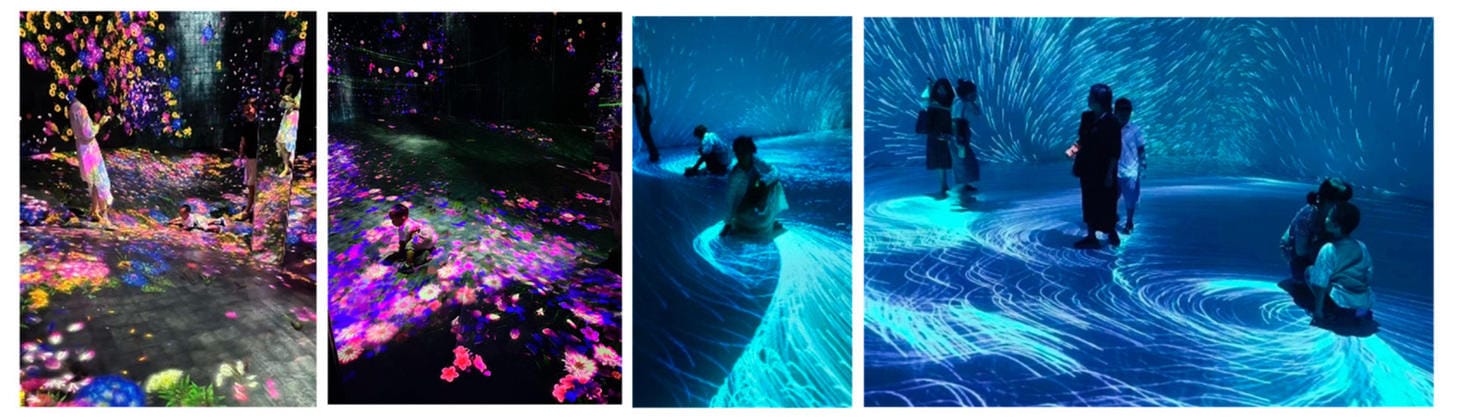
The Impact of Virtual Immersive Public Art on the Restorative Experience of Urban Residents
A recent study from the journal Sustainability explores how virtual immersive public art can enhance the mental well-being of urban residents. By focusing on interactive themes, sensory engagement, and artistic characteristics, the study suggests that these installations offer a psychological reprieve similar to natural environments. The research emphasizes that virtual art can serve as a restorative experience, much like a walk in the park but in a digital space.
What intrigues me here is the idea that virtual art could offer the same mental benefits as nature. Yes, these installations can be visually and interactively captivating, but can they really substitute for the calming effects of a natural landscape? It’s an exciting exploration but also one that raises questions about the depth of connection we can achieve through digital means.
"I’m curious: can a virtual flower bloom in the mind the same way a real one can?"
Could immersive art be the solution to urban stress, or are we missing something deeper in the process?
EXHIBITIONS & EVENTS
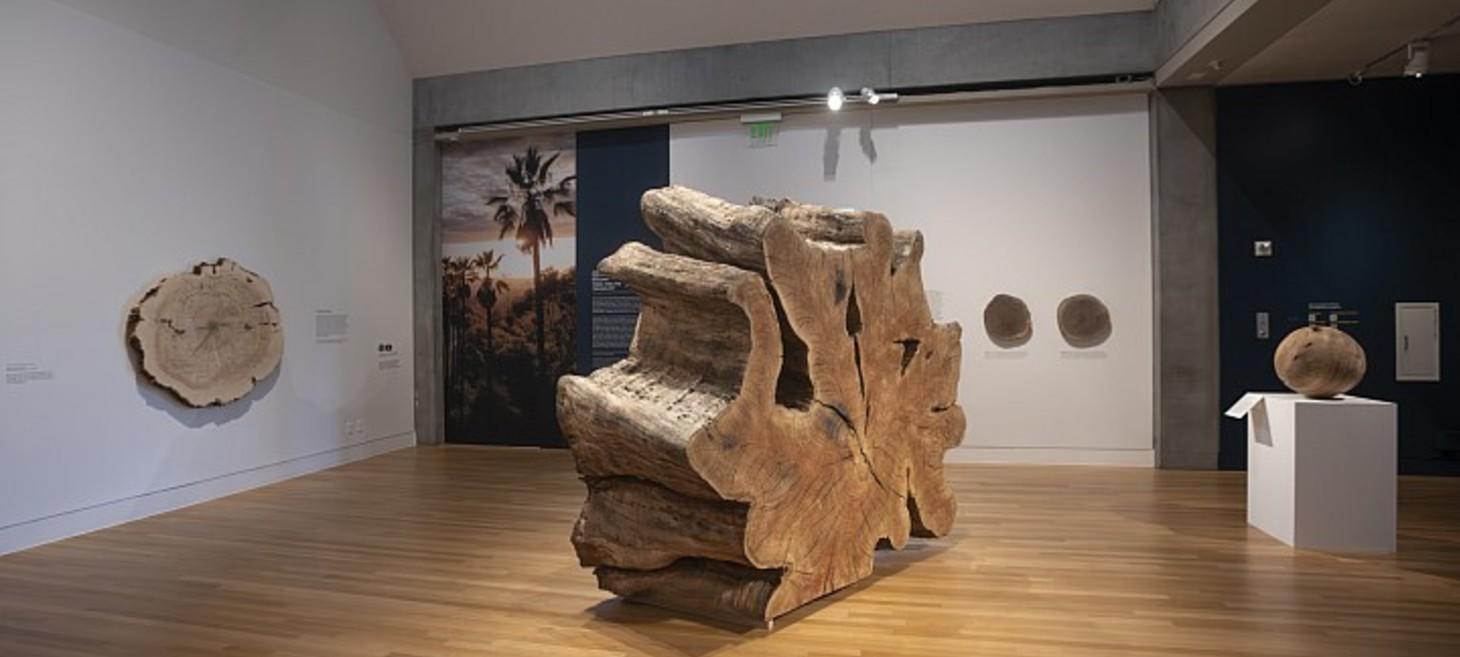
Ancient Wisdom For A Future Ecology: Trees, Time & Technology
Tiffany Shlain and Ken Goldberg’s latest exhibition, Ancient Wisdom for a Future Ecology, reviewed by Lita Barrie for Whitehot Magazine, challenges conventional narratives through the lens of dendrochronology—tree-ring dating. The show at the Skirball Cultural Center examines the intersection of trees, history, and technology, using reclaimed wood sculptures to question the objectivity of historical timelines. One standout, Shlain’s Dendrofemonology: A Feminist History Tree Ring, reframes history with a feminist perspective, underscoring the subjectivity of so-called "facts" and integrating AI to consider more inclusive interpretations.
When I reflect on their work, I’m struck by how trees, these organic data-keepers, provoke us to reconsider the stories we’ve been told. Dendrofemonology offers a powerful reminder that history isn't just one story—it’s many, shaped by those who tell it.
"Progress doesn't always work in one direction," Shlain remarked, questioning the assumed linearity of history.
What narratives could we rewrite if we embraced this more fluid understanding of the past?
FUTURE TRENDS IN ART AND TECH
The Art Market Is on the Brink of Major Upheaval
Bloomberg recently highlighted a shift in the art market, with high net worth individuals reducing their art investments from 24% of their wealth in 2022 to just 15% in 2024. Clare McAndrew’s research shows a growing focus on the base of the market, with more affordable transactions gaining traction, while high-end blue-chip sales decline.
This could be seen as both a challenge and an opportunity for young artists. On one hand, affordable works like those on paper are gaining attention, opening doors for emerging talent. But there's a flip side: lower price points often mean reduced earnings, and artists might feel pressured to create work that fits market trends rather than their true vision.
"Young artists need to navigate these trends carefully to ensure that their creative integrity and financial viability are not compromised in the long run."
How do you balance financial survival with staying true to your artistic voice?
THE LAST WORD
Thanks for joining me on this exploration of art and technology's crossroads. Your engagement and thoughts are what keep this conversation vibrant and meaningful. If anything piqued your interest or raised questions, I’d love to hear from you. Let’s continue to uncover and discuss the rich intersections of our creative and technological worlds.
Member discussion