
 Greetings from Juergen
Hi all,
This week's stories all circle around the same question: who controls the frame? From John Whitney repurposing WWII anti-aircraft hardware to create the spirographs in Vertigo's opening credits—military targeting systems turned into tools for beauty—to Gretchen Andrew's Universal Beauty series revealing how even Miss Universe contestants can't meet algorithmic beauty standards, we're looking at how technology determines what gets seen and who gets to be visible. Ganbrood's Second Gaze confronts Steve McCurry's iconic Afghan Girl photograph, asking who owns an image once it becomes a symbol. These aren't abstract questions—they're about power, representation, and whose version of reality becomes the official record.
The thread runs through every story here: activists staging ICE raids inside GTA and Fortnite to teach immigrant rights (reclaiming game worlds from government recruitment propaganda), Jess Bush curating space art for ABC while I'm thinking about our own First Friday exhibitions at NotRealArt.com, even Ringling's new Creative Technologies program teaching students to "make it, ship it" right here in Sarasota. Brian Niemeier's uncomfortable argument that culture flows downstream from power—not the other way around—hits differently when you see how consistently these stories reveal artists and educators actively trying to redirect that flow. Whether it's a game world, a view of the cosmos, a curriculum, or an algorithm deciding which faces are worth seeing, the question remains: who actually controls the frame through which we see ourselves and each other?
The Intersect: Art In Tech
Follow 'The Intersect: Art in Tech and Tech in Art' podcast, an AI-generated companion audio feature where we explore each week's topics from our newsletter in a conversational format.
captivate.fm
Film & Video
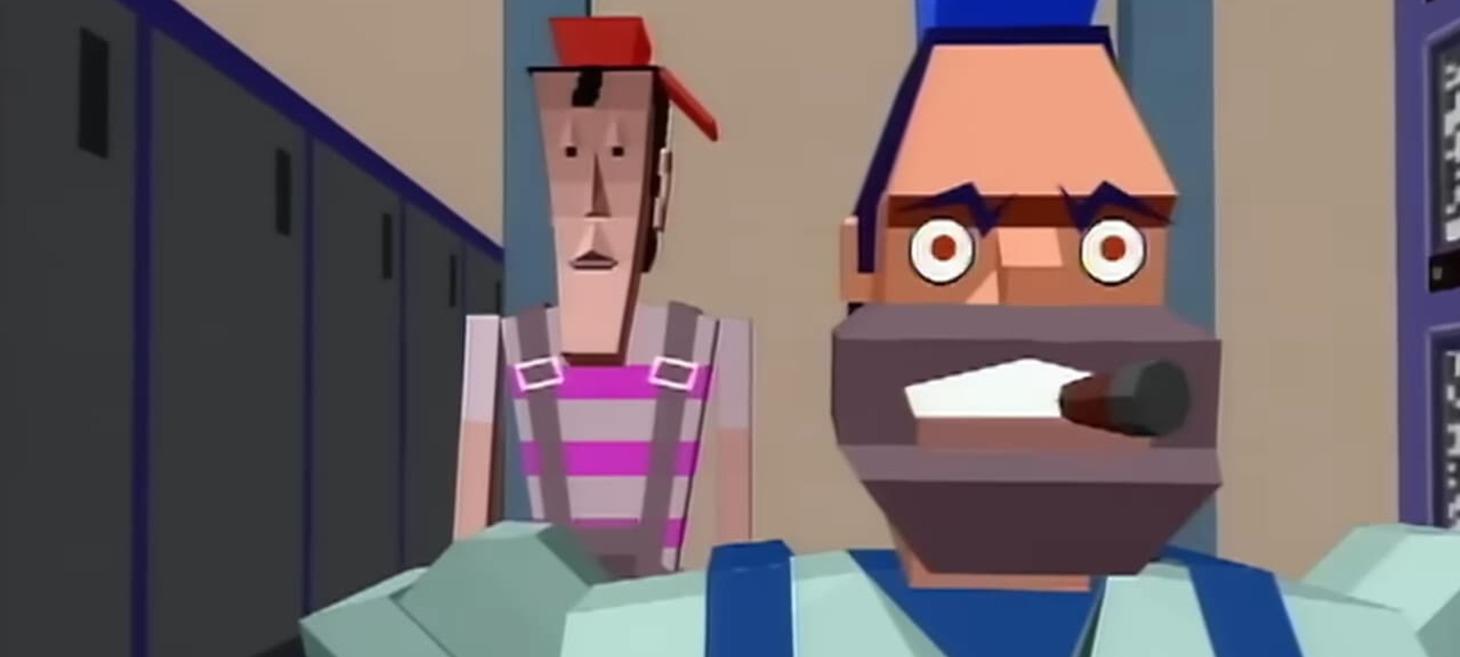
Computer Animation Before 'Toy Story': the Wild, Brilliant Experiments That Built CGI Animation
Toy Story celebrates 30 years this weekend, and Cartoon Brew takes us on a deep dive through the groundbreaking experiments that made CGI animation possible. From John Whitney's repurposed WWII anti-aircraft gun director creating the spirographs in Vertigo's opening credits to John Lasseter getting fired from Disney for proposing what would eventually make Pixar billions, this comprehensive look at early computer animation reveals just how many brilliant, obsessive people had to push against technological limits and institutional skepticism.
I was genuinely surprised to learn that CGI animation traces back to Alfred Hitchcock's Vertigo in 1958. Whitney fashioned an analog computer out of military hardware to create "mathematically controlled movements" he called "incremental drift." The connection between targeting weaponry and creating art feels almost too poetic—repurposing tools of destruction to make something beautiful.
What fascinates me most is how Toy Story endures not because of its technical achievements, but despite them. The texturing looks dated, the human characters feel robotic, yet the film works because Pixar understood something crucial: technology serves story, not the other way around.
Does our current AI moment in art need the same lesson—that the tool matters far less than what you're trying to say?
cartoonbrew.com
Societal Impact of Art and Tech
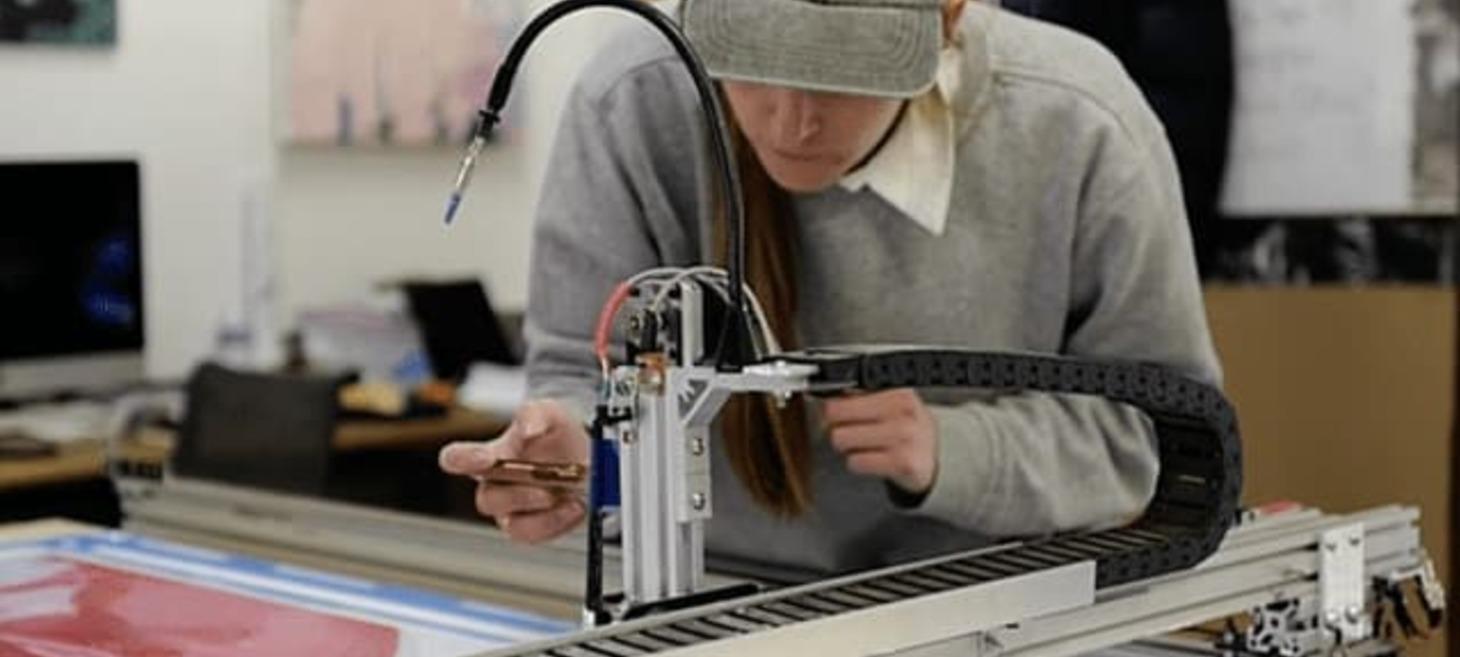
The Algorithm Thinks You're Ugly: an Interview with Artist Gretchen Andrew
Artist Gretchen Andrew's Universal Beauty series—recently acquired by the Whitney—reveals something unsettling: even Miss Universe contestants from around the world can't meet algorithmic beauty standards. In an interview with Observer, Andrew examines how AI-driven filters are flattening humanity into a single homogenized look, from Jamaica to Finland to the Philippines.
What makes this particularly fascinating is Andrew's background. She's an ex-Googler who dropped out of Silicon Valley after becoming disillusioned with technology designed to exploit users. Now she can explain the duck lip meme and beauty algorithms from the inside, breaking down how we're all contorting ourselves—physically and digitally—to look good on two-dimensional screens.
Andrew compares our current moment to ancient Egyptian art, where bodies were represented from their most recognizable angles and stuck together. That's exactly what's happening with cameras and algorithms today: we're attempting to convey three dimensions in 2D space, prioritizing how we look on screens over how we actually feel in our bodies.
Andrew admits she's addicted to Instagram too, calling social media "the tobacco of our generation"—and awareness alone won't save us, even when we know we're totally fucked.
observer.com
AI in Visual Arts
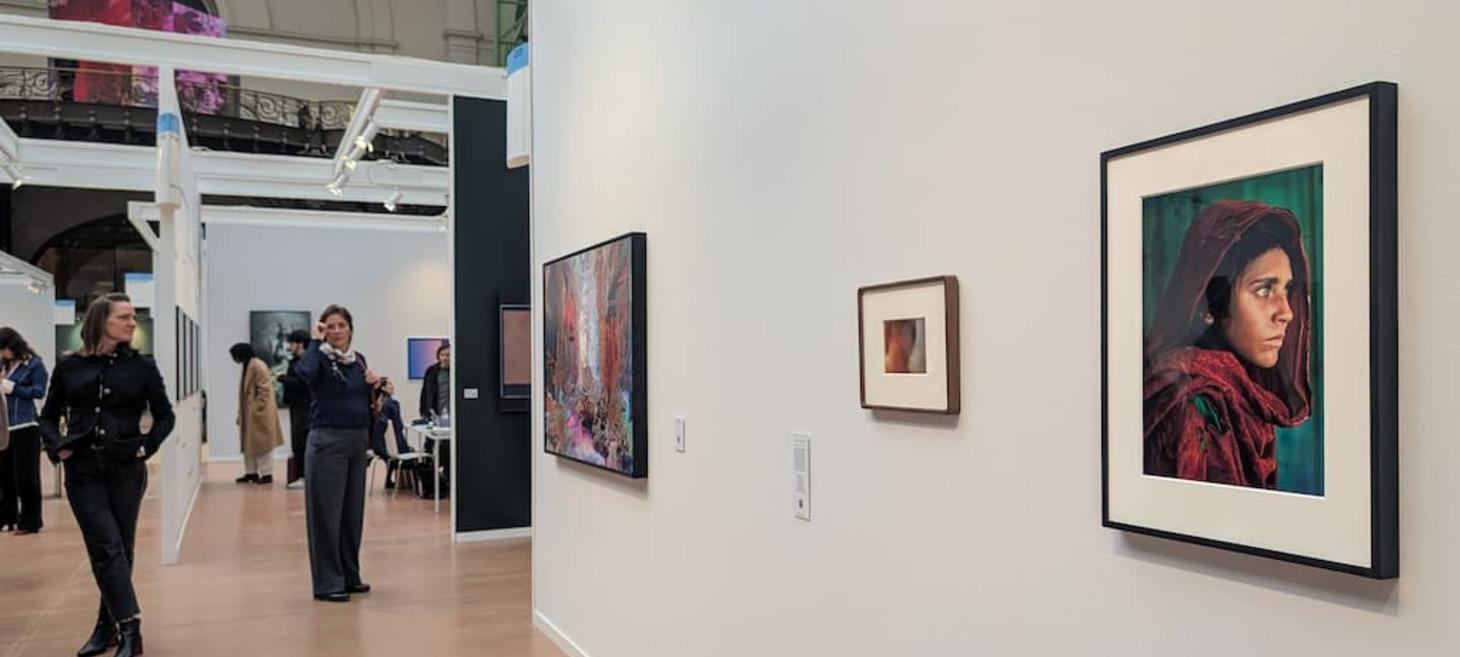
How AI Alters Art History
When AI artist Ganbrood's reinterpretation of Steve McCurry's iconic "Afghan Girl" photograph went on display at Paris Photo, the two artists unexpectedly met face-to-face at Heft Gallery. McCurry seemed shocked, perhaps appalled. Ganbrood's piece, The Second Gaze, turns the famous portrait's direct gaze into a three-quarter profile, transforming what was a symbol of Afghan displacement into something else entirely. Writing for Right Click Save, Ganbrood reflects on their encounter and what it means for authorship in the age of generative AI.
This strikes me as a fascinating counter-point to something Cory Doctorow describes as "eeriness"—that unsettling quality of seeming intentionality without an actual "intendor" behind it. That's why so much AI-generated art feels uncanny or empty of meaning. But this encounter was different. Here we had two artists, both working with strong intent, both grappling with how images become symbols and what that transformation costs.
Ganbrood isn't appropriating carelessly—he's investigating how photographs claim truth while concealing as much as they reveal, and how generative AI inherits and amplifies the biases lurking in vast image datasets.
What happens when the copy confronts the original, and both carry purpose?
rightclicksave.com
Artificial Intelligence and Creativity

Not Really a Manifesto, I Guess, but Perhaps a Framework for Thinking About AI and Art…
When your Gmail offers to organize your inbox and Word promises to draft documents for you, it's easy to dismiss AI as just another productivity feature. But Douglas McLennan's research for US Regional Arts Organizations reveals something more fundamental: AI isn't arriving as a new toolset artists can choose to adopt—it's structural change that reshapes the creative field whether you participate or not.
What strikes me is what McLennan calls the velocity problem. The technology moves faster than language itself, faster than democratic deliberation. Discussions about ownership and attribution get "quickly superseded by conceptual shifts" before artists can mount coherent responses. Meanwhile, artists—the people most directly affected—are absent from policy conversations because running a creative practice already takes everything you have. Now you're expected to become a policy expert on opaque systems while watching your work get absorbed into training data without consent.
We already ran this experiment with the digital revolution. Artists weren't centered in platform design, and the result was two decades of devalued creative work and concentrated power in companies treating culture as content. The difference now is scale and speed: 94% of creatives now use AI tools while simultaneously fearing their dulling effects on originality—a contradiction revealing how quickly "choice" becomes "necessity."
Power gets consolidated not through dramatic takeovers, but through exhaustion, complexity, and relentless innovation that outpaces the possibility of informed consent—which might be the point.
artsjournal.com
Gaming
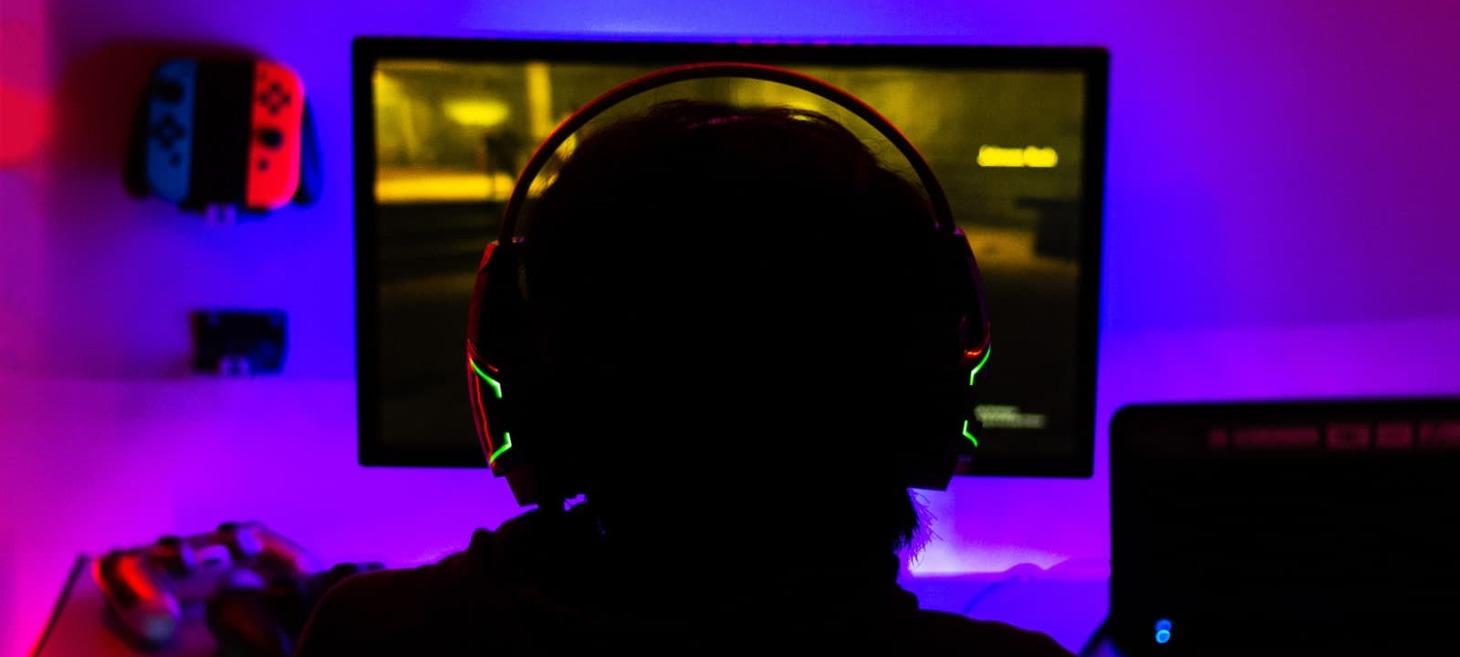
Activists Turn ICE Raids into GTA and Fortnite Lessons: Using Gaming Culture to Protect Immigrants
The New Save Collective is staging ICE raids inside Grand Theft Auto V and running rights-awareness scavenger hunts in Fortnite—turning gaming worlds into immigrant education platforms. As reported in the International Business Times, these activist events teach players about their rights during immigration encounters while countering government agencies' own recruitment-style gaming content, including a Department of Homeland Security post that mimicked Halo's "finish the fight" slogan and another borrowing Pokémon's "gotta catch 'em all."
I honestly didn't see this coming. Video games as an anti-ICE education channel and community builder? The platform makes sense when you think about it—reach people where they already gather, in environments they trust. What strikes me most is the potential here: if this approach can cut through to gaming communities, particularly the Manosphere crowd, we might be witnessing a genuinely new form of civic engagement.
Organizers like PitaBreadFace and Anosh Polticoal (working under pseudonyms for safety) argue that conservative networks have exploited gaming spaces for years—Gamergate being the obvious example. Their counter-strategy uses the same immersive environments to foster inclusion rather than division.
Can gaming culture shift from being a recruitment ground for extremism to a space for defending everyone's rights?
ibtimes.co.uk
Art & Science
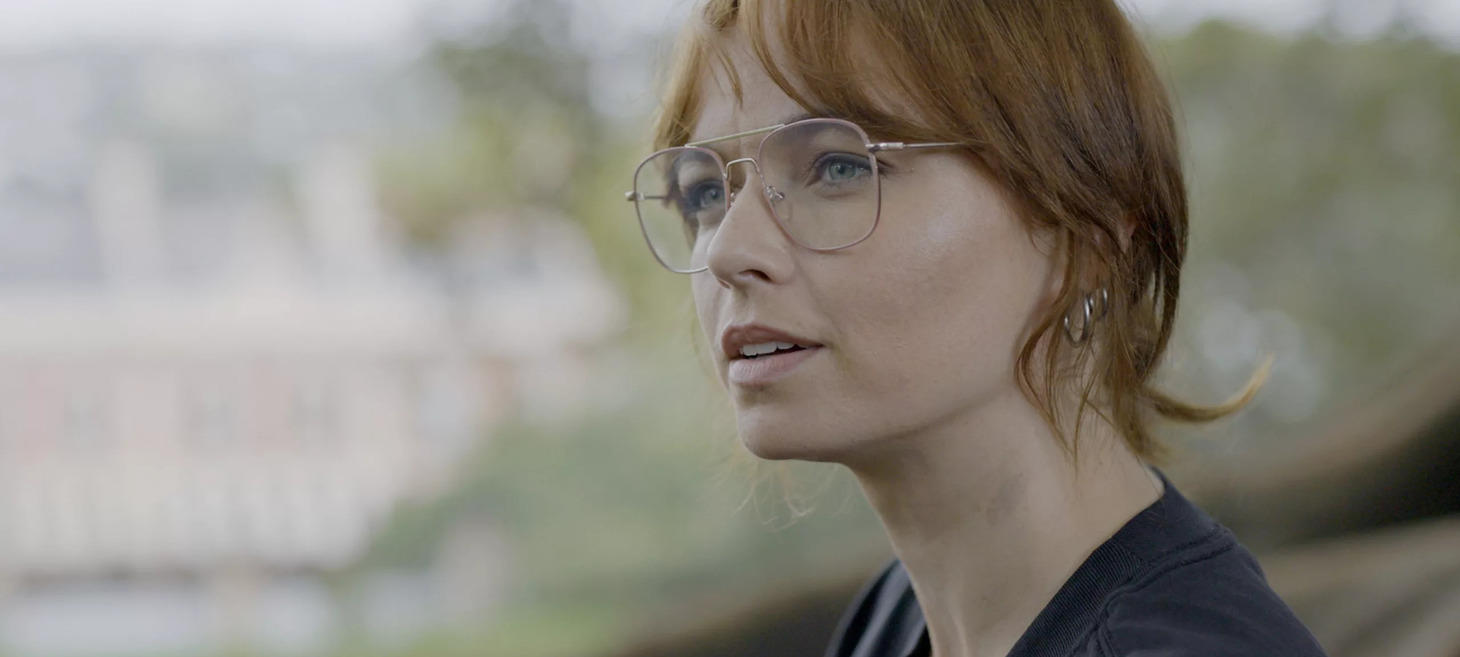
Jess Bush Leads Bold Investigation in THE ART OF SPACE
Jess Bush—actress from Star Trek: Strange New Worlds and environmental artist—guides viewers through a cosmic question in tonight's episode of ABC's The Art of... series: Can humans explore space responsibly? Kevin Perry at TV Blackbox reports that Bush meets everyone from former NASA strategist Mike Gold to Afrofuturist Serwah Attafuah and astrophysicist Dr Kirsten Banks, who shares First Nations star knowledge alongside art historian Mary McGillivray.
This story resonates with me because it's essentially about curating artworks inspired by outer space—which is exactly what we do through our First Friday exhibition series at NotRealArt.com. At the non-profit I work for, we sponsor artists through grants and have built an immense database of submissions over the years. We not only support them financially but also act as curators, creating virtual exhibitions from thousands of works we've seen.
Watching someone else curate space-themed art makes me think we should create our own First Friday series dedicated to cosmic inspiration. We have the artists, we have the platform—why not explore the universe through their eyes?
What stories are hiding in your archive, waiting for the right thematic lens to bring them together?
tvblackbox.com.au
Art and Politics
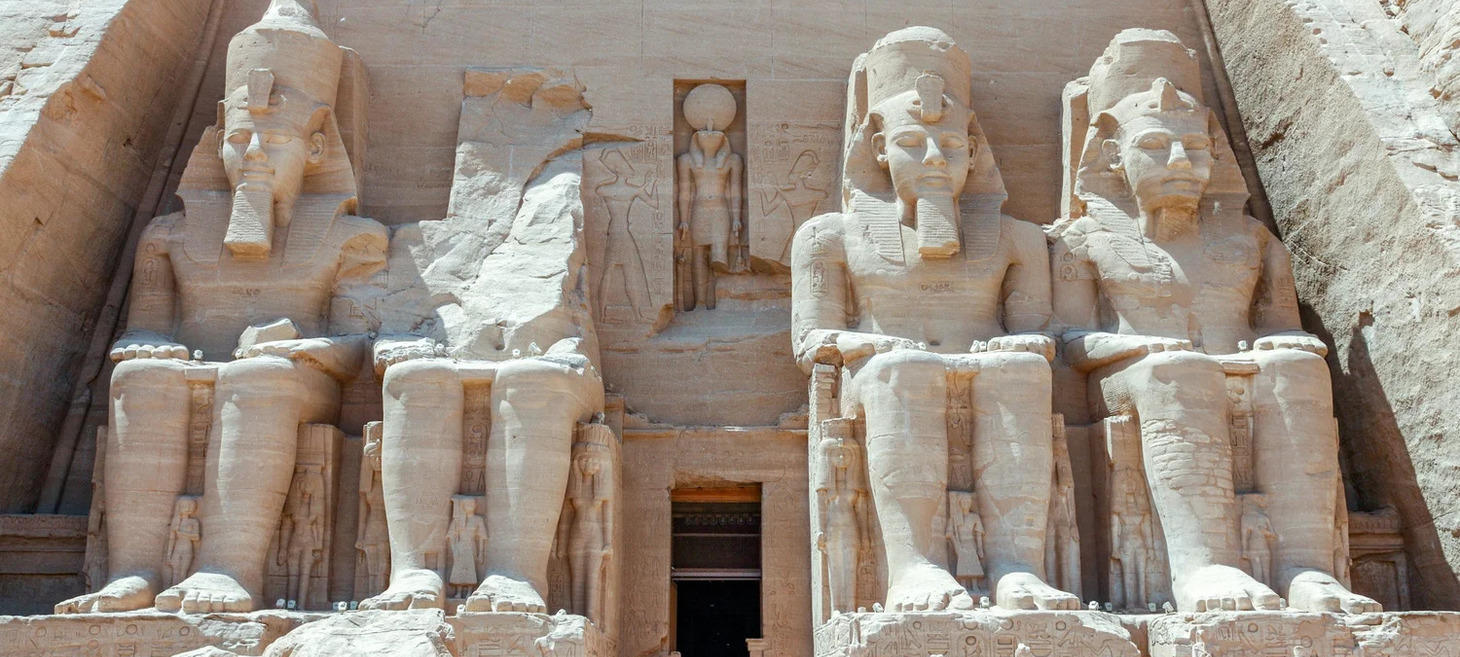
Culture Is Downstream from Power: Why Politics No Longer Shapes Art
Brian Niemeier makes an uncomfortable argument in his latest piece: the rallying cry "politics is downstream from culture" has it backwards. Throughout history, he argues, art has been commissioned, controlled, and shaped by whoever holds power—from Egyptian pharaohs funding temples to the Medici family sponsoring Renaissance masters. Even today, with Pentagon script reviews and CIA involvement in Hollywood productions, the pattern persists.
It's sad. But I agree: culture is a top-down phenomenon, historically speaking. We've been sold this myth that liberal democracy democratized culture, but that's a misreading. The real question isn't whether the powerful shape what gets made—they always have. It's whether we can build sustainable alternatives outside that system.
Niemeier points to a Princeton-Northwestern study showing zero correlation between what average Americans want and what Congress does. If political representation is largely illusory, then waiting for cultural change to drive political change is waiting for something that can't happen.
The hopeful note: independent creators now have distribution tools that didn't exist a generation ago, which might—just might—disrupt these ancient power dynamics.
bleedingfool.com
Tech in Art Education
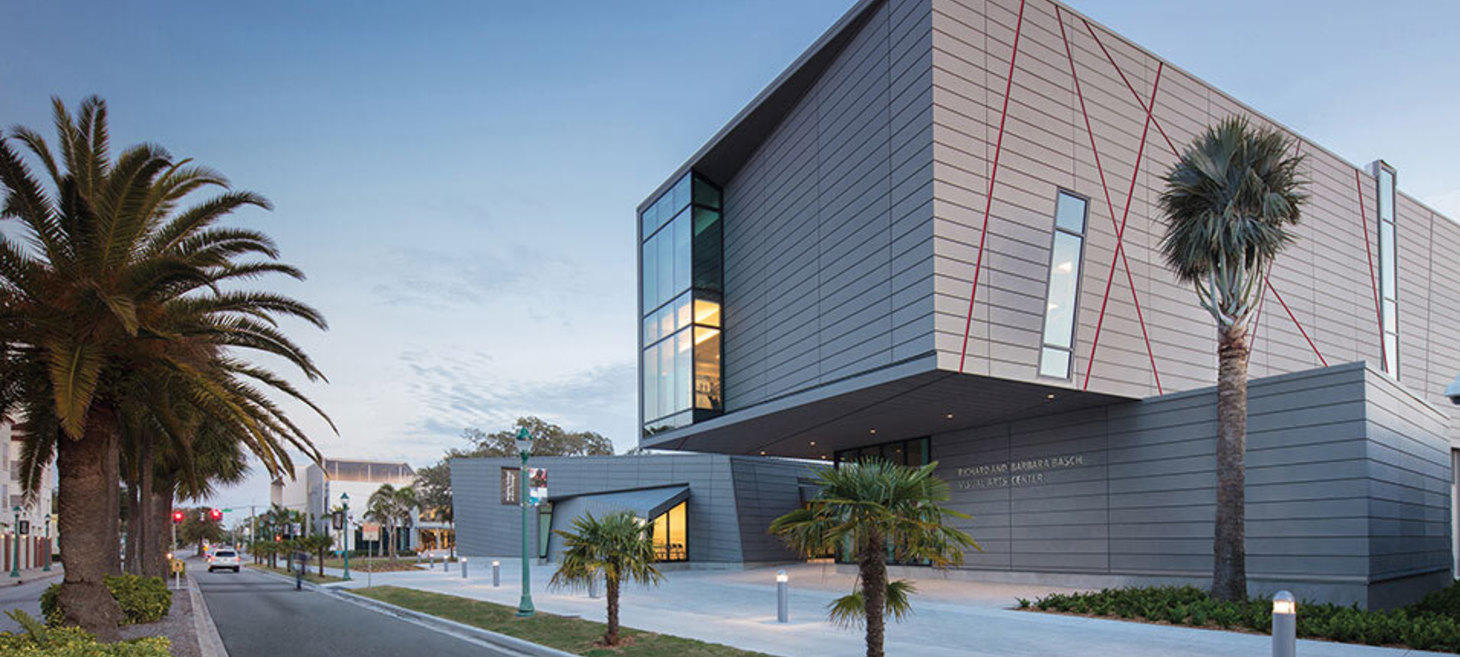
Ringling College of Art and Design Introduces New Creative Technologies Bachelor's Degree
Ringling College of Art and Design is launching a Creative Technologies bachelor's degree starting fall 2026—and it's exactly what the program name suggests: a formal institutionalization of art-tech convergence. As reported by ArtDaily, students will prototype and ship real apps, games, videos, and installations to actual audiences through a "make it, ship it" model. The program weaves together creative coding, entrepreneurship, and cross-departmental collaboration, positioning graduates with both a professional portfolio of launched work and the adaptive mindset to navigate our ever-changing media world.
This hits close to home for me—literally, since this is happening right here in Sarasota. When I graduated from art school with a degree in photographic design back in the late '80s, I walked into NYC photography studios feeling like an impostor because I didn't know the latest equipment like strobe flash systems. But here's what I discovered: my foundational training in light, composition, and art history proved far more valuable than any specific technical skill. Equipment comes and goes. Technologies evolve and become obsolete. The fundamentals endure.
I appreciate this applied arts approach to building practical career skills, but I wonder if students will also receive that deeper grounding in timeless principles—the kind that carries you through decades of technological change and lets you adapt to tools that don't even exist yet.
Will these graduates launch products, or will they launch careers that outlast the platforms they're building for today?
artdaily.cc
 The Last Word
I'm genuinely curious what you think about this pattern—are we witnessing a shift in who gets to define visibility, or are these just individual acts of resistance against systems too big to change? Either way, these stories feel urgent to me right now. Thanks for reading, and if any of this resonates or troubles you, I'd love to hear your thoughts.
Best, Juergen
The Intersect: Art In Tech