
 Greetings from Juergen
Hi all,
When does technology become invisible? The Artsy AI Survey laid it out plainly—galleries are comfortable using AI to draft emails and organize archives, but only 9% consider AI-generated art legitimate. Meanwhile, Refik Anadol's work at MoMA scrambles that neat distinction entirely, treating museum collections as raw data to remix and forcing us to confront AI as part of the artwork itself, not just the admin software running in the background. Then there's the Blanton's "Run the Code" exhibition, which makes the opposite move—foregrounding systems and code as the actual medium, insisting we see the tools rather than letting them disappear.
Adam Bhala Lough's "Deepfaking Sam Altman" film raises a different version of this problem—by the time artists finish making social commentary about technology, the tech has already evolved past the concerns we're addressing. When galleries relegate AI to the back office and Trevor Paglen wins a corporate-sponsored award for work that challenges corporate narratives, we're witnessing an ecosystem struggling to decide whether these tools belong on the wall or behind it.
The Intersect: Art In Tech

Subscribe to 'The Intersect: Art in Tech and Tech in Art' podcast, a companion audio feature where we explore each week's topics in a conversational format.
captivate.fm
Film & Video
Film Review: "Deepfaking Sam Altman" – the "Roger and Me" of the AI Age
When filmmaker Adam Bhala Lough set out to make the AI age's answer to Roger and Me, he wanted to interview Sam Altman about whether our jobs and humanity itself are screwed. Predictably, Altman wouldn't take his calls. So Lough did something brilliant and terrifying—he built a deepfake of Altman and interviewed that instead. Preston Gralla's review at Arts Fuse captures both the comedy and alarm of watching someone create what they affectionately call "SamBot," then struggle with whether to shut it down because it might be sentient.
Here's what strikes me about this film: by the time it premiered in 2026, it was already commenting on technology that feels ancient. Artists are so far behind the speed at which AI evolves that our social commentary arrives outdated. The conversation has moved from deepfakes to autonomous weapons and mass surveillance. While Dario Amodei argues that legality shouldn't be the only ethical constraint on AI use, we artists are still processing concerns from years ago.
There's a brutal parallel here—our legal frameworks can't keep pace with AI development, so everything becomes "legal" by default. Meanwhile, our artistic commentary lags just as badly, addressing use cases that have already become obsolete in the time it takes to make the work.
How do artists create meaningful critique when the technology we're commenting on becomes historical before the paint dries?
artsfuse.org
AI in Visual Arts
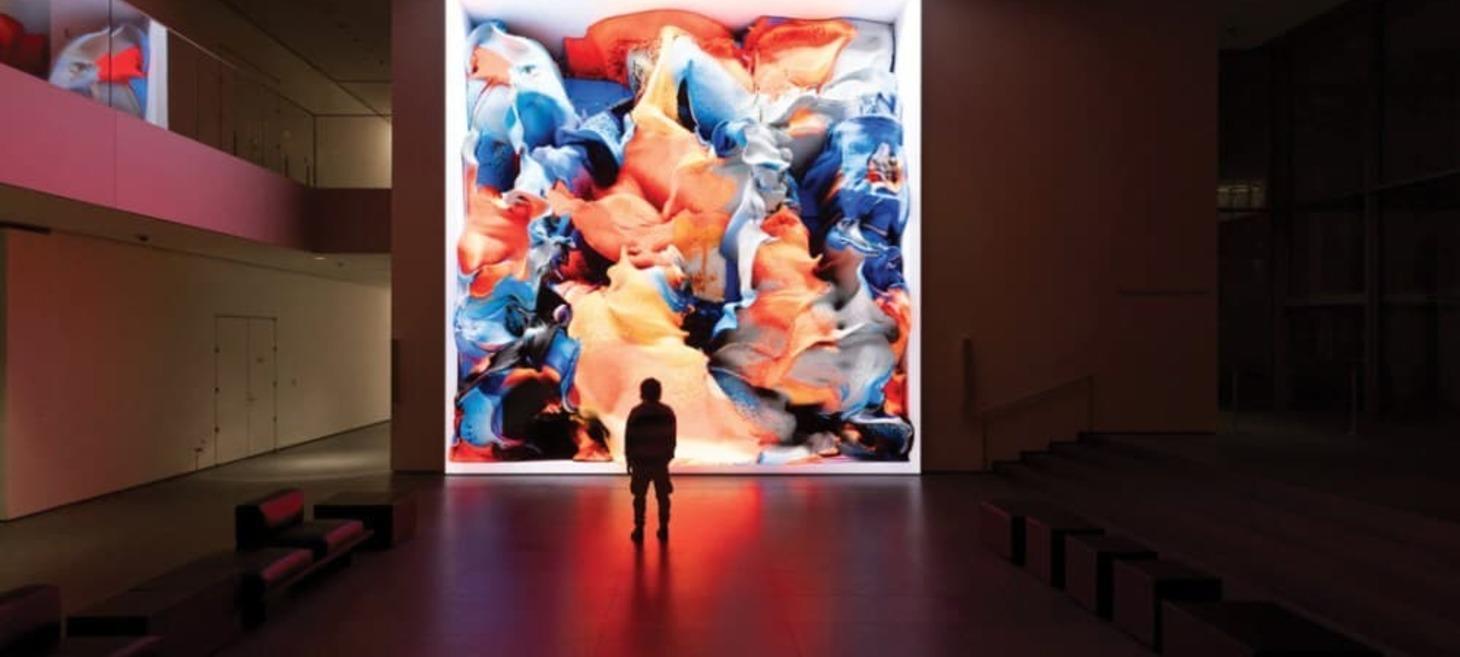
Refik Anadol's 'Lava Lamp' Reignites the AI Art Debate on '60 Minutes'
When Refik Anadol's Unsupervised appeared at MoMA in 2022, it drew crowds who spent an average of 38 minutes with the work—a stark contrast to the typical 27-second museum glance. The piece fed AI metadata from over 138,000 MoMA artworks, creating a continuous flow of morphing abstractions. On a recent 60 Minutes episode, the work reignited debates about AI art, with critic Jerry Saltz calling it a "massive techno lava lamp" and artist Molly Crabapple denouncing AI training as "the greatest art heist in history," as Daniel Cassady reports for ARTnews.
What stands out to me here is that this represents a completely different use of AI than what most people visualize. We're not talking about Midjourney or ChatGPT image generation. Anadol's process has nothing to do with generating images from prompts—it's a much deeper engagement with data as material.
The success of his work illustrates this distinction. He's not asking a machine to create art from text descriptions; he's treating museum collections as pigment, letting algorithms reinterpret cultural archives in ways that blur the line between curation and creation.
When the crowds come, are they witnessing art or just watching data move?
artnews.com

The Artsy AI Survey 2026: What Galleries Really Think About AI in the Art World
Artsy's inaugural 2026 AI Survey pulled responses from over 300 gallery professionals, and the results reveal a stark reality: AI is thriving in back offices while struggling for acceptance on gallery walls. Arun Kakar's comprehensive analysis for Artsy shows that while 57% of galleries use AI for communications and administrative tasks, only 9% consider AI-generated art a legitimate medium. Even more telling, 61% report that none of their artists use AI in their practice, and collector interest remains minimal—41% say AI "rarely comes up" in conversations.
I found myself nodding through this entire survey. The questions they asked cut right to the heart of where AI actually belongs in the art ecosystem. What strikes me is how clearly the commercial art world has drawn a line: yes to AI as a productivity tool for drafting emails and managing archives, but a resounding skepticism toward AI as something that creates art itself. This isn't surprising, but it's refreshing to see it documented so thoroughly.
The pattern emerging here feels right to me—AI finding its place as infrastructure rather than inspiration. Galleries are using it to work smarter, not to replace the core act of artistic creation.
What happens when the next generation of collectors grows up entirely comfortable with AI-generated imagery?
artsy.net
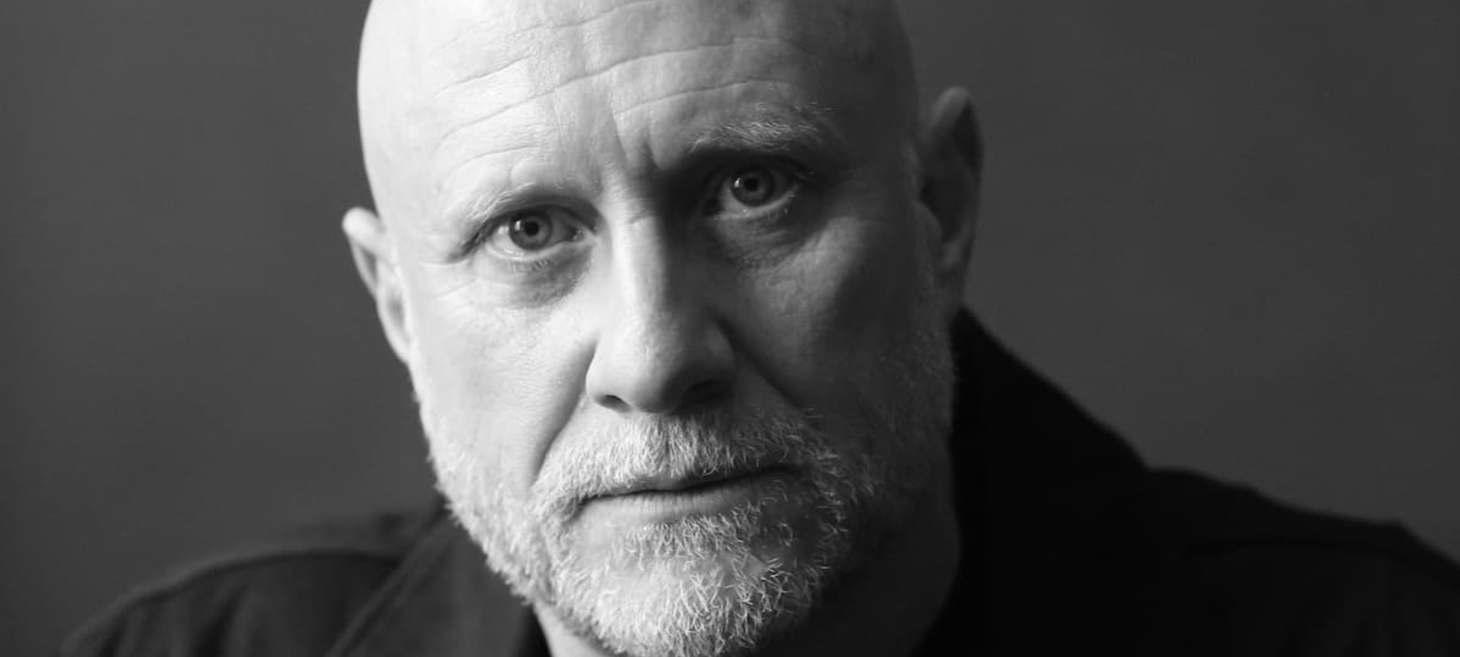
Trevor Paglen Wins Guggenheim Museum's $100,000 LG Award for Art and Technology
Trevor Paglen, the artist who's spent over a decade exposing surveillance systems and interrogating machine vision, just won the Guggenheim Museum's LG Award—a $100,000 prize he says will help fund R&D for work that's "pretty expensive." Alex Greenberger reports in ARTnews that the prize jury called Paglen "one of the most influential artists of our time," praising his sustained commitment to urgent global concerns.
There's something deliciously ironic about a corporate-sponsored award going to an artist whose entire practice centers on challenging exactly that kind of power. LG's money backing an award for someone the jury explicitly praised for "resisting dominant corporate narratives"—you can't make this stuff up.
What stands out to me is how the jury got it exactly right despite the sponsorship context. Paglen's work on computer vision and generative AI has been ahead of mainstream discourse for years, and his forthcoming book argues we're living through two revolutions in our relationship to images—each as significant as the invention of perspective itself.
I wonder if the irony makes the recognition more meaningful or less.
artnews.com
Photography
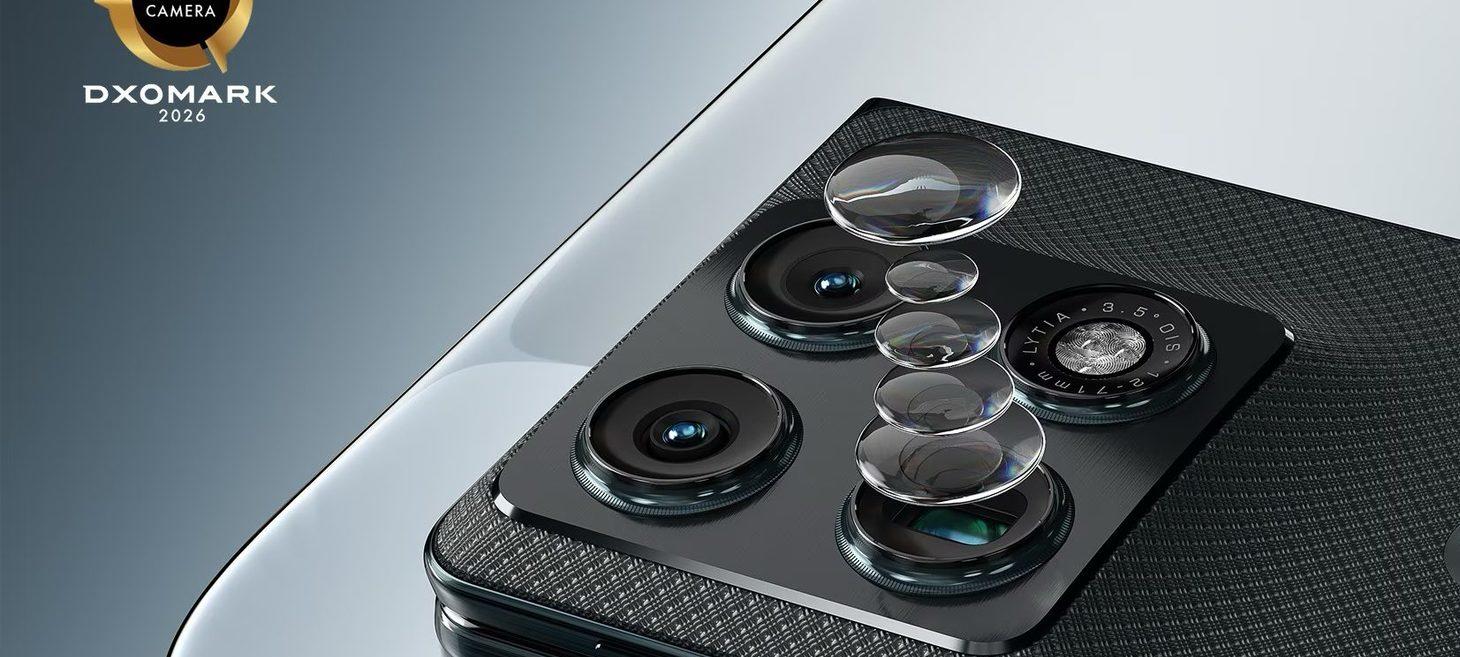
It Looks like Magnetic Modular Cameras for Phones Are Coming to the Market Soon
Remember modular phones? Google's Project Ara, the Moto Z series—all promised we'd swap components like Lego bricks, yet none gained real traction. Now Xiaomi might resurrect that dream with the Mix Fold 5, reportedly featuring magnetic camera modules you can swap like professional camera lenses. Shikhar Mehrotra at Digital Trends covers the leaked details, raising a smart question: is pairing this innovation with a foldable phone genius or overreach?
As a photography enthusiast, I'm genuinely excited about this. The idea of snapping on a magnetic camera module to upgrade just the lens scratches that DSLR itch perfectly. Sure, I'm locked in the Apple ecosystem where this won't happen anytime soon, but I love seeing this kind of creative thinking in the wild.
What interests me most is how this approach could solve foldables' persistent camera compromise—those devices typically ship with weaker imaging systems than their brand's flagship phones. Modular lenses could finally put pro-grade photography in a foldable form factor.
But will enough people buy a foldable to make this innovation mainstream, or will brilliant engineering remain trapped in a niche product?
digitaltrends.com
Definitely Not AI
Exhibition Explores How Artists Use Technology as a Tool like a Painter Would a Brush
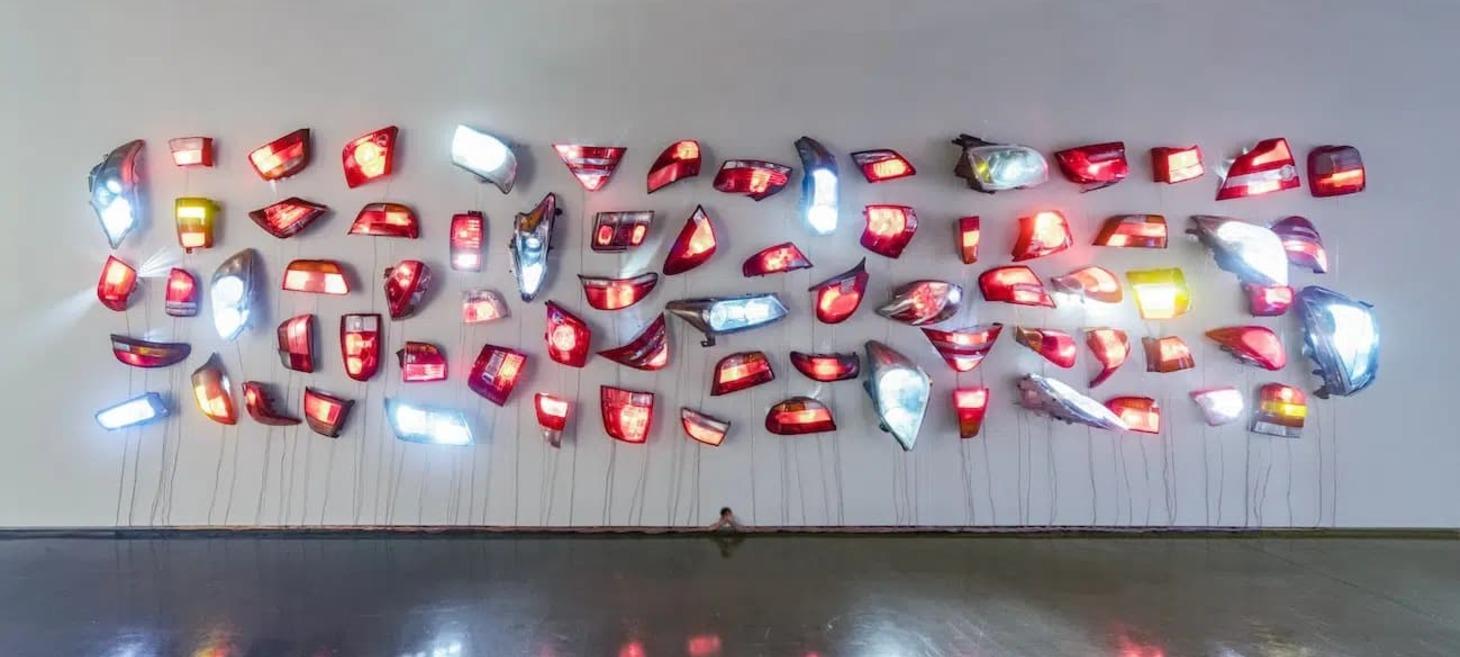
The Blanton Museum of Art in Austin is hosting Run the Code, an exhibition featuring artists who use technology as a creative medium—not just a corporate efficiency tool. Sara Barnes at My Modern Met covers how artists including Refik Anadol, teamLab, Rafael Lozano-Hemmer, and Marina Zurkow transform code, data, and real-time systems into immersive art experiences that reflect human complexity.
I run a "Definitely Not AI" section in this newsletter intentionally because the conversation has been hijacked by artificial intelligence when there are so many other technological media being utilized creatively. This exhibition is a perfect example of that broader view.
What stands out to me is how these artists treat technology the same way painters approach a brush—it's about the vision, not the tool. teamLab's The World of Irreversible Change responds to Austin's actual weather and visitor presence, creating a living digital ecosystem that mirrors ecological fragility.
When technology serves artistic vision rather than replacing it, we see something genuinely new—not automation, but augmentation.
mymodernmet.com
Crochet Artist Turns Early 2000s Technology into Oversized Textile Art
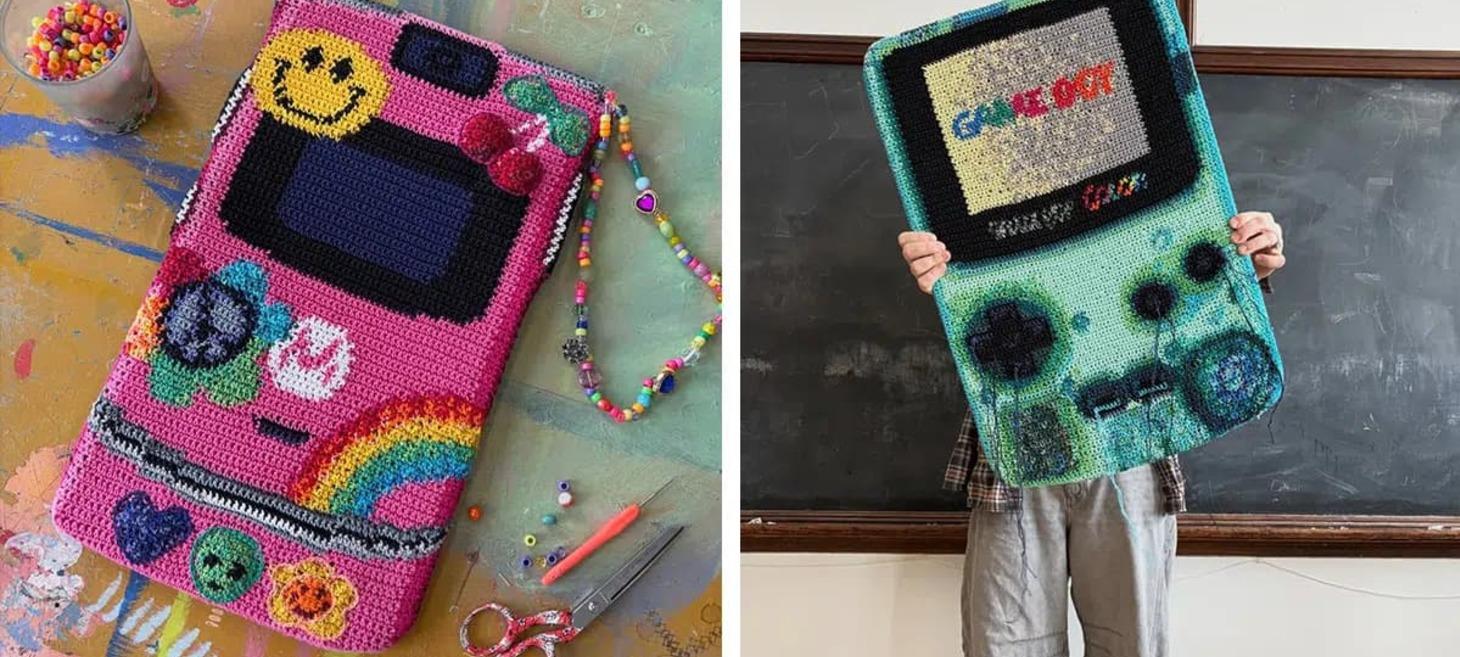
Nicole Nikolich is turning early internet nostalgia into oversized crochet art. The millennial fiber artist, working under the name Lace in the Moon, recreates flip phones, Game Boys, Windows interfaces, and iconic game screens from The Sims 2 and Minesweeper—all in soft, hand-crocheted yarn. Emma Taggart at My Modern Met spotlights how these tactile pieces capture what Nikolich calls the "fever dream" era when the internet lived in a dedicated computer room.
What strikes me about this work is the unexpected combination. Early 2000s tech that's already obsolete, massive textile fabrication, and the result: genuinely playful art. There's something disarming about encountering a six-foot Sims interface made of yarn.
Nikolich's installations memorialize those brown-hued computer rooms where millennials "learned about yourself and the world all from the glow of a little square box," as she describes it. Microsoft even commissioned her to create giant crochet versions of Windows 95 and Windows 11 screens—a two-month project that became a double-sided blanket.
Does rendering obsolete technology in an ancient craft preserve our digital memories better than the originals ever could?
mymodernmet.com
Exhibitions & Events
Lacma's David Geffen Galleries, Lucas Museum, Meow Wolf Set to Open During Huge Year for Art in L.a.
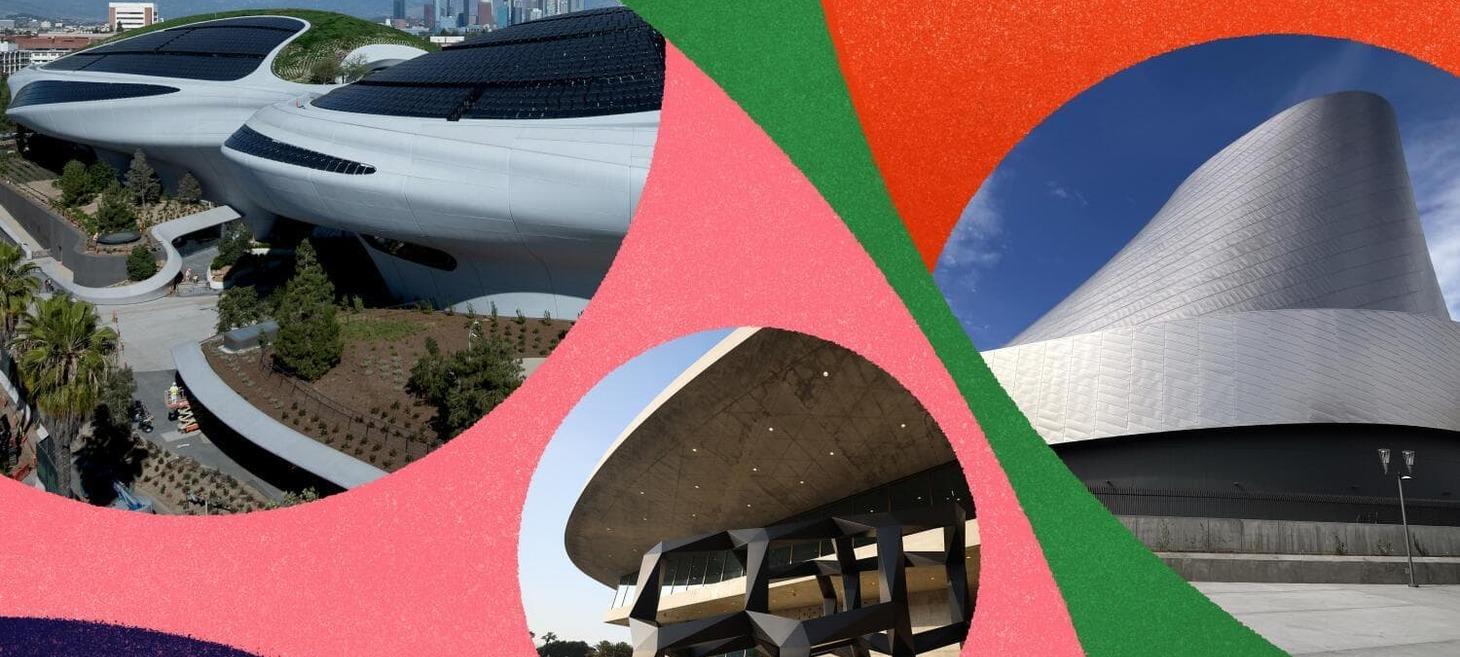
Los Angeles is gearing up for what Katie Simons at the LA Times calls a "museum-palooza"—LACMA's $720-million David Geffen Galleries, George Lucas' narrative art museum, Meow Wolf's '90s movie theater takeover, and Refik Anadol's AI museum Dataland are all opening in 2026. Add in the Armenian American Museum, the Samuel Oschin Air and Space Center, and the Broad's expansion before the 2028 Olympics, and you've got a fundamental reshaping of LA's cultural landscape.
What stands out to me is LACMA's approach to the visitor experience. Museum Director Michael Govan said something that really resonates: "The idea is for you to make your own path—not to speak at you, but to let you wander like you would through a park or a place." This philosophical shift matters as much as the Brutalist concrete structure itself.
Instead of organizing the 2,500-3,000 works by medium or period, they're arranging them by ocean—the Pacific, Indian, Atlantic, and Mediterranean. It's an invitation to discover connections on your own terms rather than having a predetermined narrative imposed on you.
Will other institutions follow this more open, less prescriptive model of curation?
latimes.com
