
 Greetings from Juergen
Hi all,
This week's stories keep circling back to the same uncomfortable question: when algorithms can produce convincing images faster than anyone can trace their lineage, what makes something worth trusting? Beeple's installation at LACMA lets museum visitors transform German Expressionist woodcuts into AI-generated variations displayed across 12 video screens—but knowing an algorithm can crank out hundreds per minute changes how I value the result. Marco Brambilla took a different approach with his World's Fair project, training his own AI model on decades of archival research rather than just firing up ChatGPT. The difference matters, but it's getting harder to explain why.
The legitimacy battles are heating up everywhere. NOT REAL ART's year-in-review traces digital artists fighting the same acceptance struggles photographers faced a century ago, while Marco Savarese's editorial warns that AI photography risks becoming "plausible fiction detached from any encounter." Meanwhile, the human-made design movement claims a 60% premium, and everyone from Adobe to designers clinging to "authenticity" as their differentiator. Bradford just closed out its year as UK City of Culture with three million attendees and surging creative course applications—proof that when people participate in something real, they don't forget it.
I've been stepping back from digital tools lately—just acoustic guitar, pencil sketches, charcoal drawings. Maybe it's seeking comfort in the analog, or maybe it's exhaustion with constant commentary. Either way, this week asks: if the "wow" of infinite variation is cheap and instant, what new forms of commitment will make an image feel worth trusting again?
The Intersect: Art In Tech

Follow 'The Intersect: Art in Tech and Tech in Art' podcast, a companion audio feature where we explore each week's topics from our newsletter in a conversational format.
captivate.fm
Art Narratives
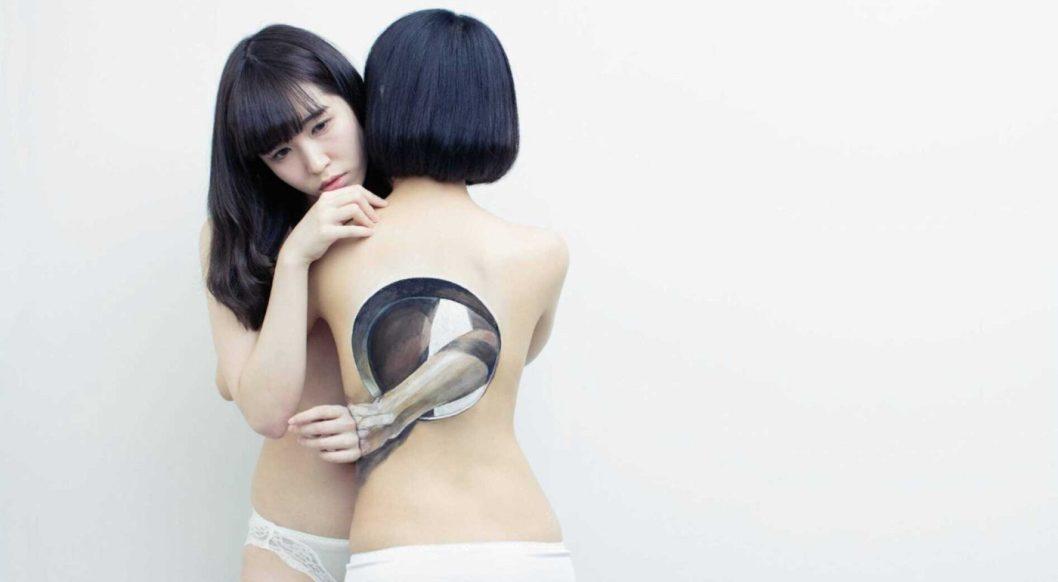
Everything Worth Seeing, Hearing, and Thinking About in Art This Year
NOT REAL ART just published their 2025 year-in-review, and what strikes me is how editor-in-chief Morgan Laurens frames the context without turning it into a pity narrative. Yes, the NEA slashed funding and layoffs hit creative industries hard. But the review stays focused on what artists and cultural workers produced anyway: podcasts interrogating digital art's legitimacy battles, Art21 pushing Season 12 forward after losing an $85,000 NEA grant, exhibitions reclaiming the witch as a symbol of power, and interviews with artists making work that asks uncomfortable questions.
A few highlights stuck with me. Rebekah Tolley's case for "Digitalism" traces a lineage from Nam June Paik to today's boundary-pushers—digital artists fighting the same legitimacy battles photographers faced a century ago. Edie Nadelhaft's "Biometric Portraits" turn irises and fingertips into alien landscapes, then catch you staring at yourself with reflective domes—a meditation on how willingly we surrender our data to Big Tech.
I also want to name the bigger structure behind this work. NOT REAL ART isn't standalone; it's one branch of Arterial, a mission-driven nonprofit storytelling platform dedicated to amplifying the arts. Scott Power is the founder driving that ecosystem, and he's my friend, colleague, and a client I value. When I say I'm proud to be associated with this work, I mean the whole pipeline: the reporting, the podcasts, the production, and the fundraising work that keeps it all viable.
How do we build cultural infrastructure that survives funding cuts and keeps asking the questions that matter?
notrealart.com
Societal Impact of Art and Tech

Media Art in the Spirit of a New Era
Ars Electronica's 2025 year-in-review isn't just chronicling another festival season—it's documenting a moment when artistic engagement transformed from cultural commentary into essential infrastructure for social orientation. Mario Schmidhumer's comprehensive report traces how geopolitical earthquakes, AI's technological arms race, and ecological emergencies demanded that artists step forward not as observers, but as navigators through collective panic and uncertainty.
The piece makes me reflect on something I've been wrestling with lately: the pull between engagement and retreat. I've found myself stepping back from digital tools entirely—just acoustic guitar, pencil sketches, charcoal drawings. It feels like seeking comfort in the analog, and maybe there's an age or generational component to this. Young artists in conflict zones produce incredible work under conditions where Maslow's hierarchy should make creation impossible, while I have the luxury of self-actualization. That gap humbles me.
I heard a poem about dogs recently that stuck with me—they walk out naked into the world every day, uncertain where their next meal comes from, trusting completely in their bond with their owners. Perhaps artists who aren't commenting on politics are striving for that same presence, that detachment and gratitude just for being alive.
What if our exhaustion with constant commentary is itself a signal worth listening to?
electronica.art
Bradford Ends Its 'City of Culture' Year
Bradford just closed out its year as UK City of Culture, and the numbers tell part of the story: £51 million spent, three million attendees, 5,000 events including the Turner Prize. The BBC reports that train traffic from London jumped 29%, and city centre footfall increased by a quarter. Some local businesses didn't see the boost they expected, but applications for creative courses at Bradford College have surged.
What strikes me most is how much of this isn't simply transactional—the money in versus money out calculation. Three million people participated in these events, and they won't soon forget it. That's how you establish a cultural legacy for a city. The impact runs deeper and will last longer than any spreadsheet can capture.
I find myself thinking about the 87,000 people who performed or participated, the 160 schools that got involved. These aren't passive audiences—they're contributors to something larger than themselves, and that changes how people see their own city.
What happens when the spotlight moves on and a place has to sustain that cultural energy on its own?
bbc.com
AI in Visual Arts
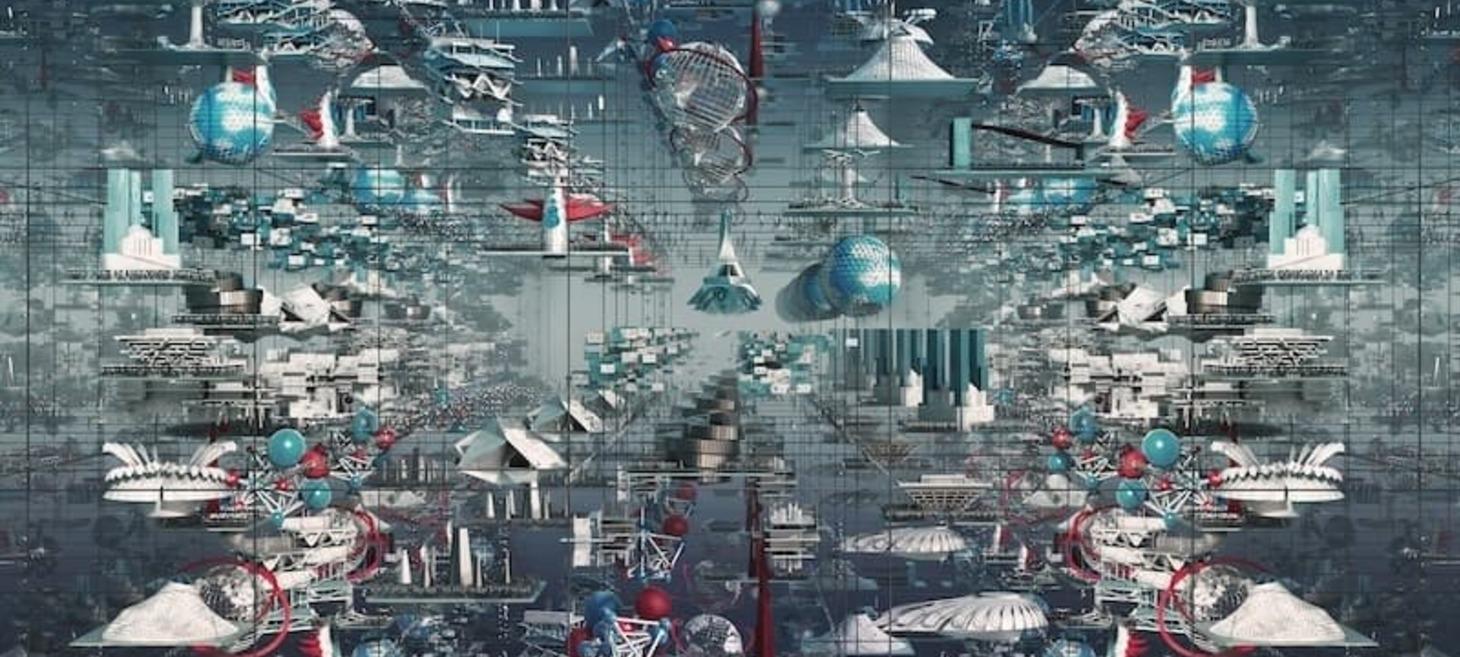
Visual Artist Marco Brambilla on Agency and the Artist's Negotiation with Technology
Visual artist Marco Brambilla's new work After Utopia reimagines 135 years of World's Fairs through AI, screening at The Wolfsonian-FIU through March 2026. In conversation with Katy Diamond Hamer at The Creative Independent, Brambilla explores how these expos served as time capsules of technological aspiration—from railroads to computing to AI itself—and how his three-channel video installation questions whether we're guiding our destiny or becoming passengers in it.
I've been fascinated by world fairs since childhood, drawn to those futurist visions of what our future would look like. It's always striking how quaint today's reality seems compared to the lofty aspirations those fairs—and the broader culture through art, literature, and science fiction—had us imagining back then.
What I find interesting about this work is that Brambilla didn't just fire up ChatGPT and call it a day. He actually trained his own AI model on the contents and artifacts from decades of world fairs he's been carefully studying. That's a fundamentally different approach—using AI as a research and sketching tool rather than a shortcut.
How do we maintain creative agency when the tools themselves start making aesthetic decisions?
thecreativeindependent.com

Diffuse Control by Beeple Iteration: Matrix Residua
Beeple's Diffuse Control at LACMA invites museum visitors to collaborate with AI in transforming German Expressionist woodcuts from the collection into new generative images displayed across 12 large video screens. In an essay on LACMA's Unframed blog, curatorial assistant Hope Flores frames the "Matrix Residua" iteration as asking whether AI can celebrate rather than obscure the hand of the artist—drawing connections to Walter Benjamin's warnings about mechanical reproduction and fascist spectacle.
I'm wrestling with how I feel about this whole class of AI art that "reinterprets" old masters. Yes, the iterations look striking. But knowing an algorithm can crank out hundreds of these per minute devalues the work for me. I'm still trying to figure out my own line between generative AI that adds something meaningful and what's basically algorithmic slop. Beeple's a respected artist who asks good questions, so I'm not dismissing this outright.
The wonder of endless amazing imagery pouring from algorithms has faded incredibly fast given how ubiquitous AI-generated art has become. For me, the human value centers on intent and story—something beyond using someone else's masterpiece as a starting point.
For people encountering generative AI visuals for the first time, this interactive sculpture might be fascinating—but is that enough?
lacma.org
Photography

AI and the Illusion of Photography
Photography has always been technological, but there's a difference between tools that extend your vision and tools that replace it entirely. In a sharp editorial note from Eyeshot Street Photography, editor Marco Savarese argues that AI challenges photography's fundamental nature—presence, choice, and responsibility toward what's actually in front of the lens.
What caught my attention was this line: when AI starts deciding what to improve, remove, or add, we're no longer working with reality but with its simulation. And here's the thing—a simulation can be convincing, even beautiful, but it's never neutral. That shift matters more than we might think.
The real risk isn't that AI-altered images will be bad. It's that they'll be too easy, erasing the friction and unpredictability that comes from confronting reality. Photography becomes an automatic answer instead of an open question.
Are we smart enough to know when not to use the tools we've invented?
eyeshotstreetphotography.com
Artificial Intelligence and Creativity
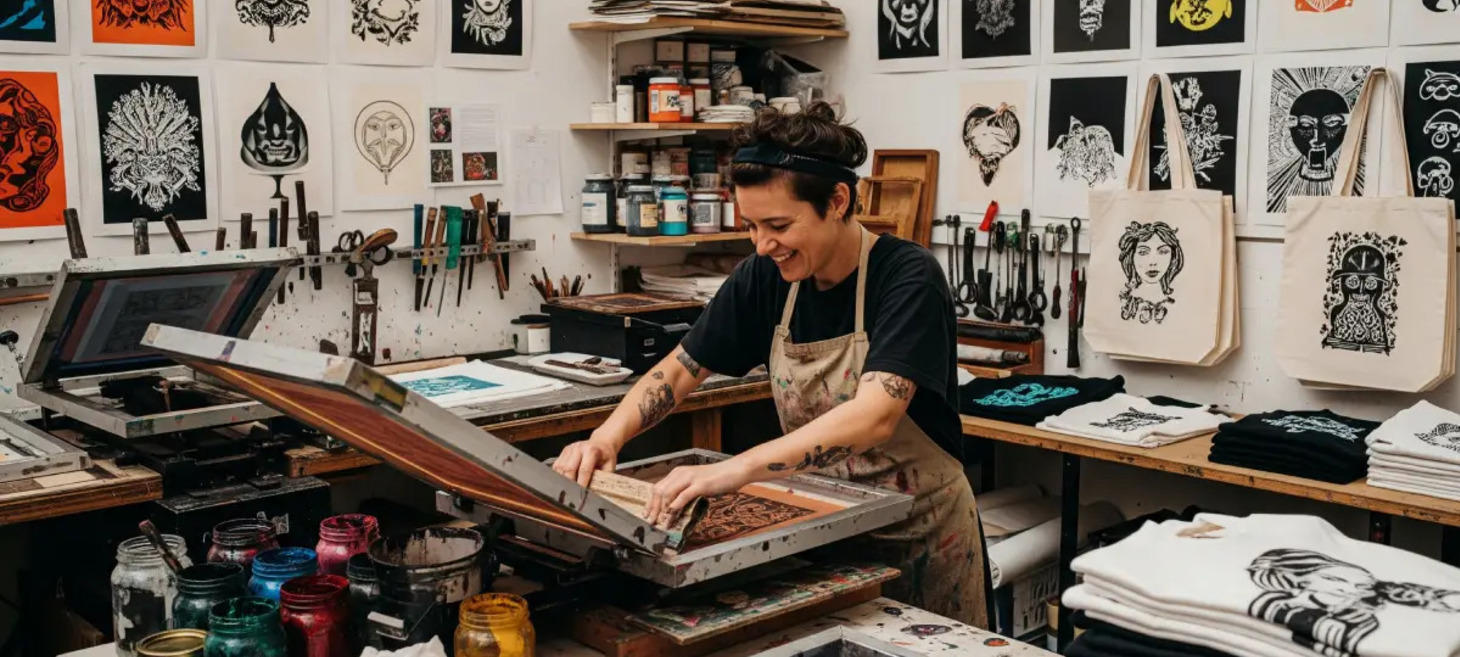
Human-Made Design Authenticity Answers the Growing Demand for Genuine Human Connection
WE AND THE COLOR explores a cultural shift I've been feeling acutely: in 2026, authenticity isn't just a buzzword—it's become the primary way consumers distinguish between creative work they trust and the flood of synthetic content washing over us. The article dives into the "Not By AI" movement, Reddit's role as an authenticity reality-check, and why human-made design now commands a 60% premium.
I predict a growing backlash against AI integration across culture, arts, and politics. But here's what keeps me up at night: what does proving authenticity actually mean in practice? Video podcasting might demonstrate genuine human connection, but how does a photographer differentiate their work from AI imagery? We covered sculptors in our last issue whose miniature worlds were so skillful people assumed they were AI-generated—when they represented pure human dedication and craft.
The real question isn't whether we can create badges and certifications for human-made work, but whether we're prepared to fundamentally rethink value itself in an age where machines can mimic nearly everything except lived experience and intentional imperfection.
Are we heading toward a future where the most valuable creative act is simply proving you're human?
weandthecolor.com
Design
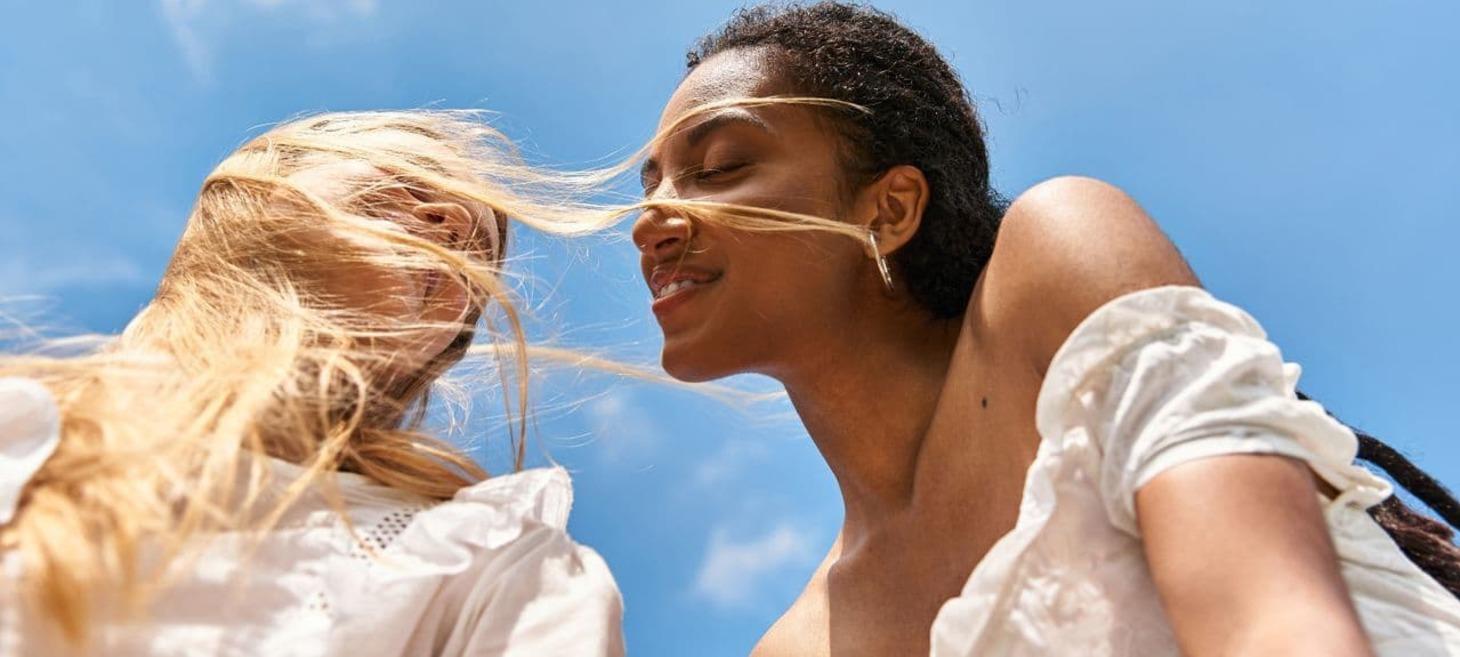
AI Was a Key Trend for 2025, but Some of Adobe's Predictions for 2026 Seem to Focus on the One Thing AI Cannot Do. I Think This Is the Key to Standing Out as a Creative in an AI World
Adobe's 2026 Creative Trends Forecast does something unexpected—alongside the predictable AI mentions, it emphasizes emotion and authenticity as defining creative directions. As Digital Camera World reports, this focus on what AI cannot replicate might be the key to standing out as a creative in an increasingly automated world.
I keep seeing authenticity positioned as the magic bullet for 2026. While the broader art world grapples with AI's influence, the design world is getting hit even harder. Fashion photography, catalog production, publishing, interior design, UX design, advertising—all of these fields are flooded with AI toolsets. Designers are understandably worried about their relevance and careers, and right now everyone's clinging to "authenticity" as their lifeline.
I wonder for how long that will be enough. When every designer claims authenticity as their differentiator, does it still differentiate anything at all?
The question isn't whether authenticity matters—it clearly does—but whether it's a genuine creative philosophy or just the industry's latest security blanket.
digitalcameraworld.com
