
 Greetings from Juergen
I've come to think craft has quietly moved. For a long time the hard skill in creative work was making the thing well. Now the tools make plenty of things well, and the genuinely scarce skill is getting anyone serious to believe in what you made. Credibility is the new craft. That's the thread running through every story here.
The pattern is almost funny once you see it. The actual work keeps getting waved away in favor of its associations. Grimes promoting an Nvidia talk on LinkedIn becomes a referendum on platforms, not on her. Soderbergh turns his disclosure of Meta's AI into a transparency stunt, because he knows the disclosure will get more attention than the black rose dissolving into choreography. A new art-valuation tool inherits crypto's reputation before it earns its own. And a thoughtful AI art magazine has to spend its first breath proving it isn't celebrating the slop everyone assumes it's celebrating. The skepticism arrives before the work does.
Which is why I opened with the least glamorous piece in the issue — what art firms boringly, privately use AI for, in a corner where nobody's watching closely enough to be offended yet. From there it gets louder. I don't have a clean answer for how trust gets rebuilt at the speed the tools are moving. But this issue is me sitting with the gap, watching capable work bounce off audiences who decided in advance, and wondering what it would actually take to change their minds.
The Intersect: Art In Tech
Subscribe to 'The Intersect: Art in Tech and Tech in Art' podcast, a companion audio feature where we explore each week's topics in a conversational format.
captivate.fm
Societal Impact of Art and Tech

The Boring AI: What Art Firms Actually Use It For
We're opening this issue with the least glamorous story in it, and that's deliberate. Before we get to the public spectacles — Grimes, Soderbergh, an art magazine daring to exist — start here, where the trust problem hasn't even arrived yet. Jo Lawson-Tancred's piece at Artnet News makes a quietly useful point: the art market knows it can't ignore A.I., but has no idea what to do with it. Tailored tools are finally showing up. Bonhams just partnered with ARTDAI for market analytics, and the freshly merged Artsy and Artnet are building A.I. into their founding mission. The real action isn't generative at all. It's data, discovery, and operations.
Here's what bugs me about the backlash against A.I. in the arts. Most people picture a machine spitting out images, then get angry at that picture. But in practice, art organizations mostly use A.I. for the stuff artists despise: marketing research, bookkeeping, accounting, the finance drudgery that eats studio time. That's not a culture war. That's a spreadsheet.
Spiegler predicts a "big shift" as A.I. puts "high performance technology in the reach of small businesses and individuals for whom it was not financially viable before."
Notice what's missing here: outrage. Nobody storms out of a gallery because the back office reconciled invoices faster. This is the one corner of the A.I. story where credibility isn't on the line — precisely because nobody's watching. The skepticism this whole issue circles around only kicks in once the public can see the seams.
So I find myself stranded between two poles. The backroom-automation crowd on one side, the image-generation crowd on the other. What interests me is the middle — A.I. interpreting a dataset in a way that becomes part of the artwork, not the accounting behind it. Not front-end image generation. Not back-office plumbing. Something stitched into everyday practice.
Where does the tool stop being a tool and start being a collaborator in the work itself? That's the question that earns scrutiny. The bookkeeping just earns a shrug.
artnet.com
Grimes on LinkedIn Is the Artwashing We Deserve
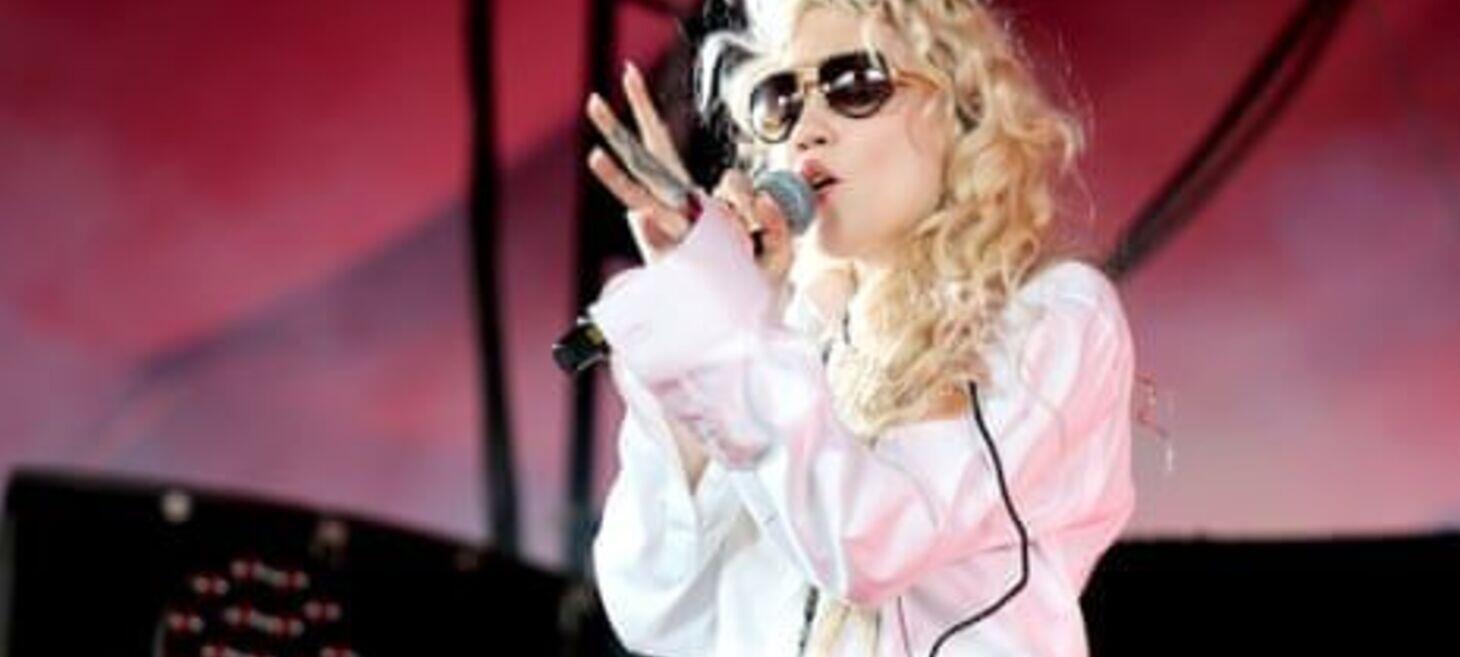
If the last piece looked at AI as quiet office plumbing, this one is about what happens when an artist walks into the room holding hands with the plumbing company. Al Warburton's piece in The Guardian is ostensibly about Grimes showing up on LinkedIn to promote an Nvidia conference appearance. But it's really a dry, funny autopsy of what happens when every platform artists actually want to be on gets hollowed out. Warburton, who released his own AI-themed film on LinkedIn before Grimes got there, has the receipts — and the self-awareness to call the whole thing a "counterintuitive brag."
What got me was the line that lodged in my head like a bad jingle:
Pivoting to LinkedIn might seem a depressing thing for an artist to resort to: a bit like moving in with your boomer grandparents.
I find this genuinely funny and genuinely sad in equal measure, which is probably the right emotional register for 2026. And it fits this issue's running problem perfectly. The Grimes backlash wasn't really about the work. It was about the company she kept — an artist with an Nvidia logo behind her reads as a side switched, not a tool used. The association does the damage before anyone watches anything.
The fact that LinkedIn is now a legitimate venue for art releases says less about LinkedIn and more about how thoroughly the rest of the internet has been strip-mined. Twitter's gone. Vimeo's a ghost town. Instagram buries anything that doesn't dance. So you end up at the corporate networking site, standing next to the chip vendor, hoping nobody reads it as an endorsement.
So here's the question I can't shake: when the only platforms left with organic reach are the ones built for corporate networking, what does that do to the trust we extend to the art made for them?
theguardian.com
AI in Visual Arts
Soderbergh's Lennon Doc and the Wrong Argument About AI
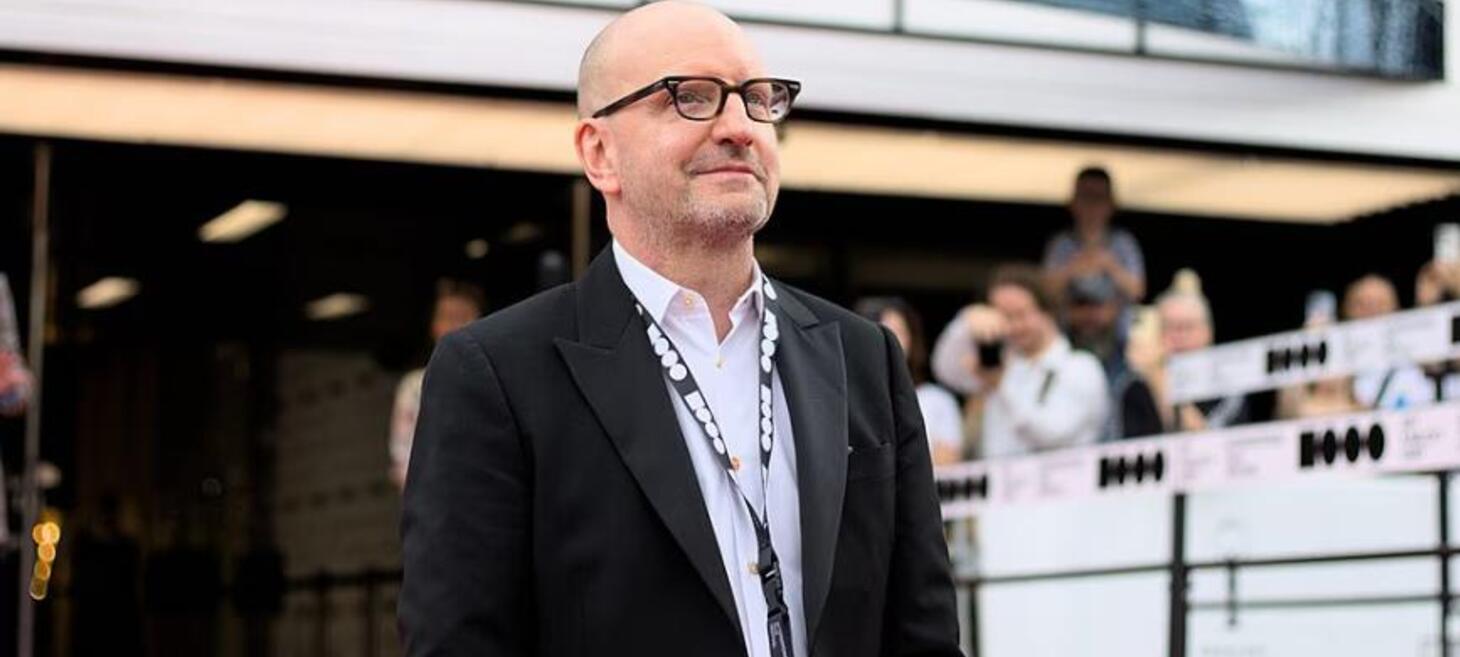
Ana Maria Constantin's piece at The Next Web covers the strangest thing at Cannes this year: Steven Soderbergh's John Lennon: The Last Interview, built around a never-released 1980 radio conversation recorded hours before Lennon was shot. About 10% of the visuals came from Meta's AI tools — abstract circles of light, a black rose dissolving into choreography. Soderbergh disclosed the partnership upfront, took the heat, and reframed the whole thing as a transparency stunt. He calls himself his own whistleblower.
If the last two stories were about whose name you stand next to — an art magazine afraid of the slop label, Grimes cozying up to Nvidia — this one is the same problem wearing a film credit. The backlash isn't really about the pixels. It's about the association.
And here's where it gets funny. The art world is busy scolding Soderbergh for using AI at all. Fair enough, that's the predictable fight. But anyone who actually works with these tools daily — as I do — is scolding him for a completely different reason: he used Meta's AI. Of every model he could have reached for, that's the one he picked. It's a bit like announcing you've finally embraced fine dining and then ordering the gas station sushi.
"You don't say yes to Meta offering you these tools and offering to finish the film and not know you're going to come in for some heat. That was part of the deal."
So the deal wasn't about the imagery. It was about who paid for the finish. And that's the trust problem in miniature. Soderbergh's point about undisclosed AI everywhere is genuinely sharp — the issue isn't that he used it, it's that everyone else won't admit they do. The credibility gap doesn't close because the work is good. It closes, or doesn't, based on the logo in the corner.
When the bravest thing about your AI experiment is naming the vendor — and the vendor is the part everyone winces at — what exactly are we praising?
thenextweb.com

An AI Art Magazine That Refuses to Worship Its Subject
A magazine devoted entirely to AI art sounds either inevitable or doomed, depending on your mood. Reviewed in Neural Magazine by Aurelio Cianciotta, Critical Intelligence — The AI Art Magazine, Number 2, edited by Christoph Grünberger, picks the harder path. It doesn't showcase flashy generated images or worship the technology. Instead it gathers artists and writers to sit with the controversies, the ambiguity, and the questions nobody has answered yet.
Which makes it the perfect place to close this issue. Everything we've looked at — Grimes on LinkedIn, Soderbergh's Lennon doc, art valuation as a tradable bet — ran into the same wall. The work itself almost didn't matter. The skepticism arrived first. A magazine starts from the deepest hole of all: before anyone reads a page, half the audience assumes it's a celebration of slop.
Here's what strikes me. Launching an AI art magazine right now is not the obvious move people assume it is. The easy version would be a glossy parade of generated images, and that's the version everyone braces for. It's the same risk we face here at The Intersect every week. The interesting work isn't the picture the model spat out. It's how artists fold these tools into a practice that was already alive.
What emerges is the remarkable ambiguity that AI introduces into our perception, and how artists who have embraced it have begun to reflect on the characteristics of the visual spaces they create.
So the magazine's real subject isn't the pictures at all. It's the choice of how we engage, with the ecological and ethical questions still sitting open on the table. Credibility, it turns out, is the thing you have to earn one page at a time.
When the tool gets frictionless, does the only thing worth talking about become the intention behind using it?
neural.it
Digital Archiving and Art Preservation
When Art Valuation Becomes a Bet You Can Trade
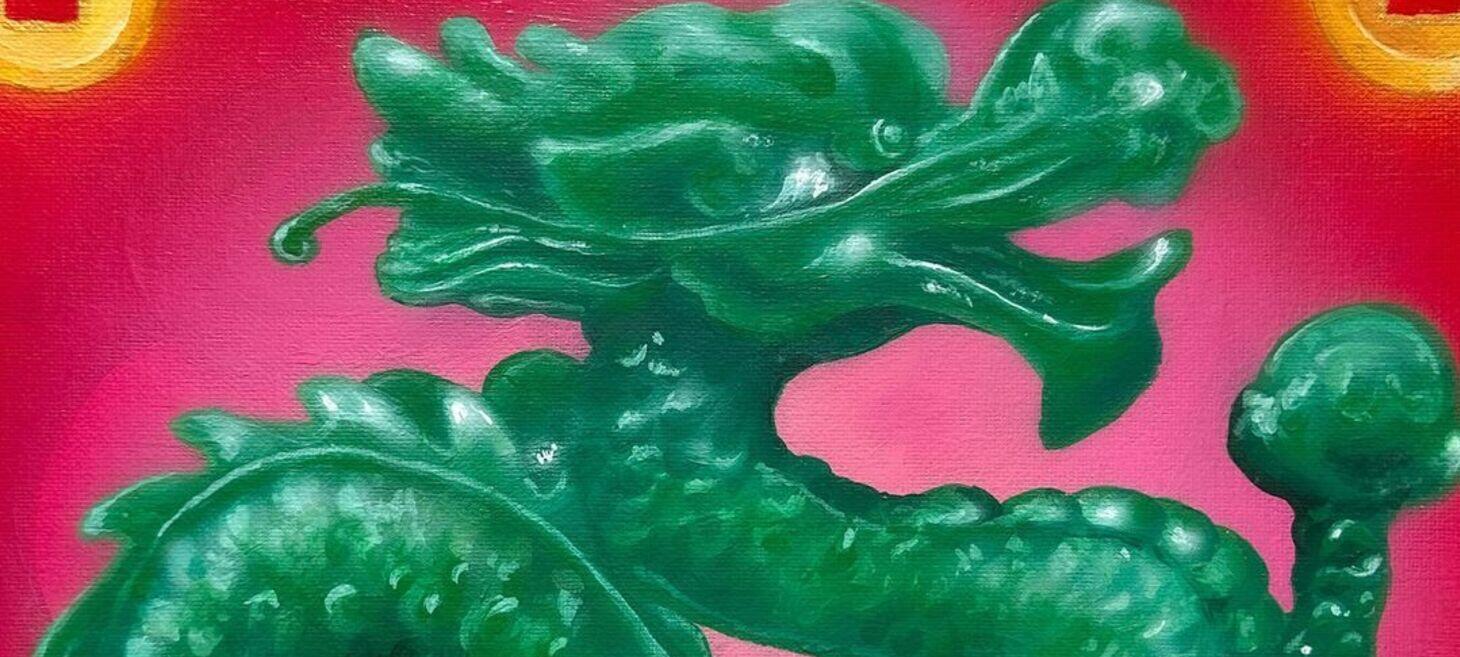
Emily Morley's piece at Ocula Magazine traces how prediction markets like Polymarket are quietly migrating into the art world — turning speculation about an artwork's future price into a tradeable asset in its own right. Following Substack's partnership with Polymarket, the question isn't whether this is ethically tidy. It's whether "value" still means anything when the bet itself becomes the product.
If the last piece was about which tools art firms quietly trust, this one is about a tool nobody trusts yet — and probably won't for a while. My honest prediction? It goes nowhere fast. The public already has a low opinion of AI, and a lower one of anything near the art market. Polymarket and its cousins drag their own reputational baggage along too. That's a lot of headwinds stacked against each other. Which is a shame, because parts of this genuinely have potential. Provenance verification. Authenticity checks. AI pattern recognition fed with scientific data can outperform human experts, on average. But say "AI" and "art valuation" in one breath and the skepticism is instant. Probably fair, too.
"What is being traded is no longer the asset itself but speculation about its future value"
Here's the thing, though. Art pricing has always been a fraught, deeply human game. I think back to the outrage when Julian Schnabel's paintings first sold for $10,000 in New York. Mostly, it seemed, because gallery politics and influencer dynamics were doing the heavy lifting. Setting the value of an artwork has never been clean or neutral. I'm skeptical Polymarket would fix that. More likely it just adds a fresh, liquidity-weighted layer of manipulation on top of the old kind.
The pattern repeats across this whole issue: the technology might work, but the trust to use it doesn't exist yet. So which is actually happening here — is the art market migrating toward prediction platforms, or just being colonized by the same speculative logic that's already eating everything else?
ocula.com
 The Last Word
Thanks for sticking with me through a slightly heavier issue than usual. I keep coming back to that opening story — the boring, quiet uses nobody's offended by yet — and wondering whether that's where trust actually gets built. Not in the spectacles, but in the corners where the work just quietly does its job. Or maybe I'm wrong, and the spectacles are the only place the argument ever really happens. I'd love your read on it. What earned your belief recently, and what lost it? Hit reply and let me know what you're seeing from your side of the screen.
Best, Juergen
The Intersect: Art In Tech