
 Greetings from Juergen
Every medium gets a funeral eventually. Photography has had several — one for film, one for the darkroom, one for photojournalism's claim on truth, and now, apparently, one for the camera itself. What I find strange is not that the funerals keep happening. It's that photography keeps showing up to its own memorial looking slightly smug.
I've been sitting with a particular tension while putting this issue together. On one side: AIPAD's Photography Show, 77 galleries strong, vintage prints back to 1917, the whole thing exuding the calm authority of an institution that has outlasted every crisis and expects to outlast this one too. On the other: photographers who've put down their cameras entirely, working with photocopiers and chemistry and the irreducibly physical, precisely because the camera's relationship to truth has gotten complicated in ways that feel new. And then somewhere in the middle: Lartigue, who shot 120,000 images and spent a lifetime being remembered for a carefully curated fraction of them — a reminder that the story a medium tells about itself is always, always edited.
What I want to do in this issue is follow that thread without tying it off neatly. There's work here about digital doubles and VFX logic applied to fine art photography, a kinetic film about the inventors nobody remembers, and a fair that knows exactly what it wants to say. Whether those things add up to a coherent picture of where photography stands — I genuinely don't know. That's sort of the point.
The Intersect: Art In Tech
Subscribe to 'The Intersect: Art in Tech and Tech in Art' podcast, a companion audio feature where we explore each week's topics in a conversational format.
captivate.fm
Film & Video
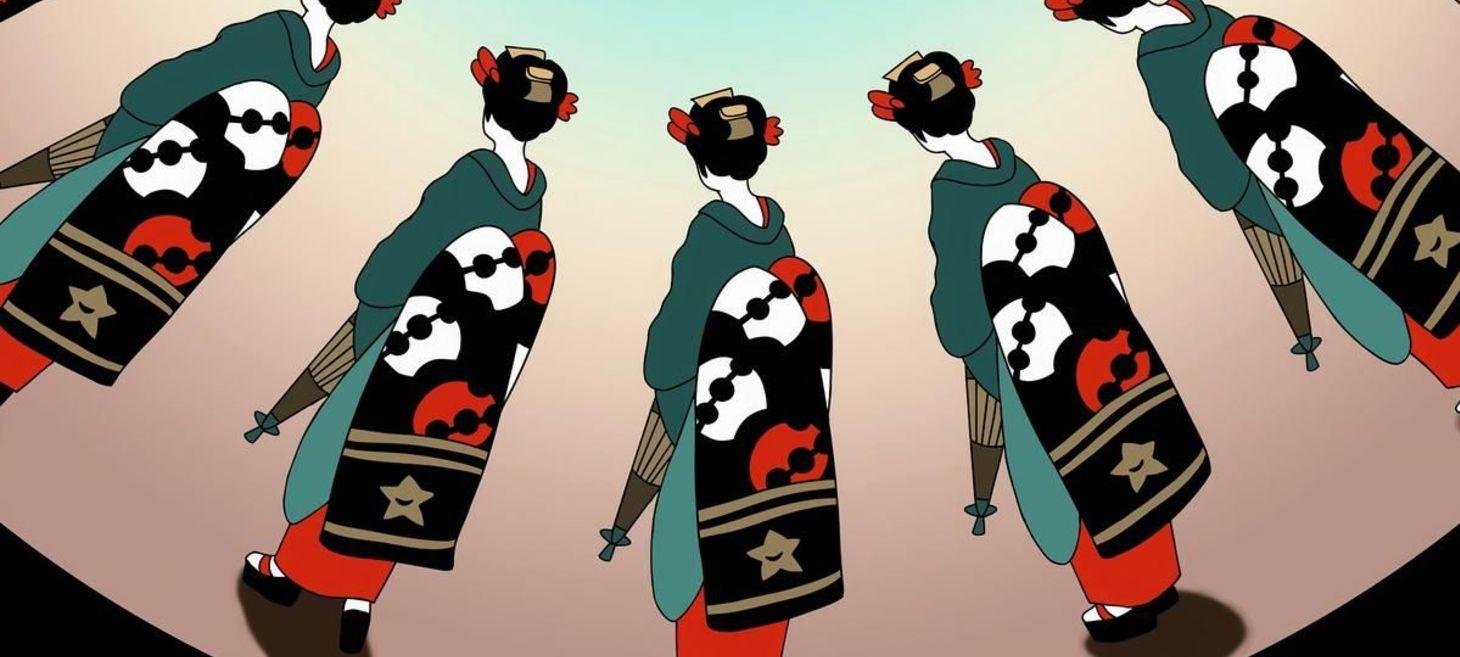
A Kaleidoscopic Ode to the Forgotten Parents of Film
María Lorenzo's short film Impromptu, featured on Aeon Video, is a propulsive visual history that refuses to behave like one. Drawing on animated styles, archival footage, and references spanning zoetropes to the Lumière brothers to Eadweard Muybridge, the Spanish director builds something that feels simultaneously rigorous and gloriously unruly — a tribute to what the film calls 'the forgotten parents of film.'
I included this here because elsewhere in this issue we're already poking at the history of still photography and the cyclical upheavals that medium keeps triggering. Moving images are no different. CGI changed what film looked like. AI is now changing what film feels like — and, frankly, what it's like to be a human actor inside one. The historical arc from a spinning zoetrope to a synthetically generated face is shorter than it's comfortable to admit.
The result feels deeply researched and yet – as the title hints at – somewhat informal, prioritising the kinetic power of moving images over a more formal exploration of their history.
Which is maybe exactly the right approach when the history itself is so kinetic. When does a tribute to the past become a way of reckoning with the present?
aeon.co
Photography
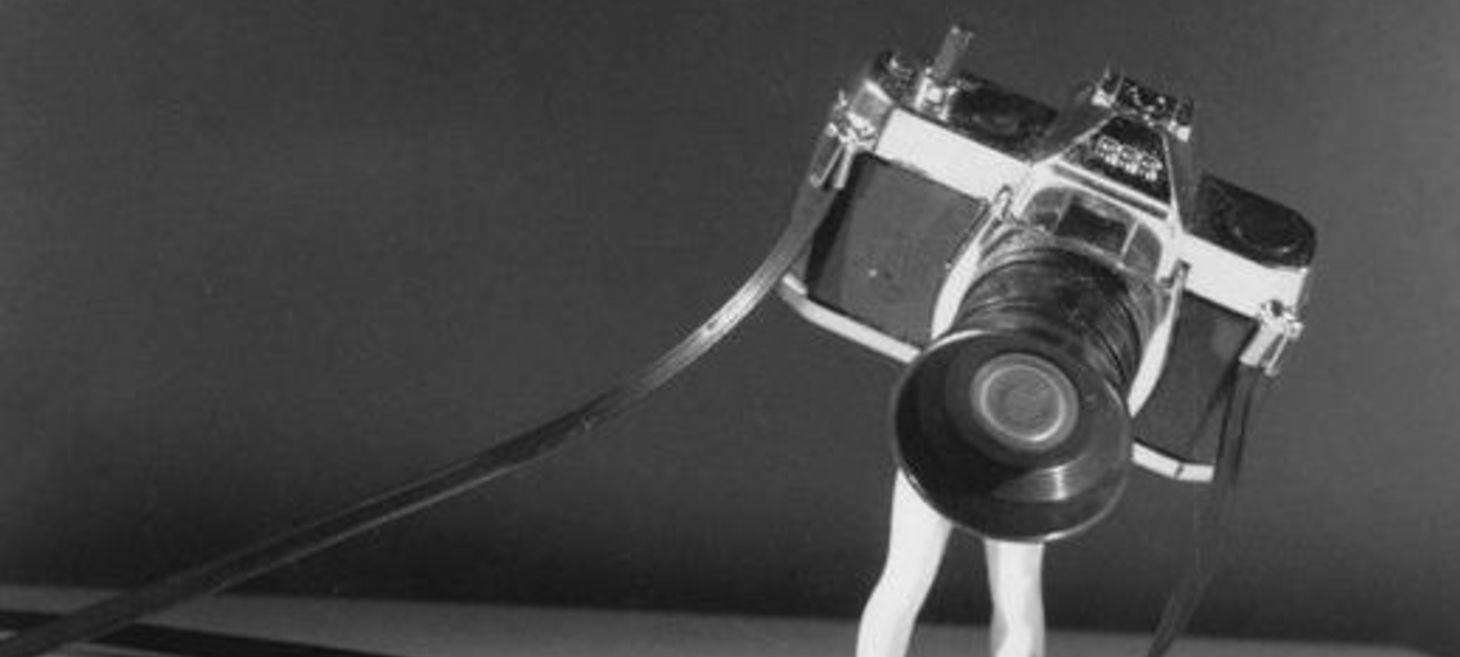
What Photography's Biggest Fair Isn't Talking About
The Artnet Gallery Network's preview of the Photography Show 2026 — AIPAD's 45th edition, landing at the Park Avenue Armory April 22–26 — reads as a confident, expansive survey of where lens-based photography stands today. Seventy-seven galleries, vintage prints dating to 1917, emerging dealers from Paris to Los Angeles. The whole thing radiates a kind of sure-footed institutional confidence that photography, as an art form, knows exactly what it is.
What I find genuinely strange, though, is what's entirely absent from the conversation: AI-generated imagery. Not a whisper. And I'm honestly not sure whether to read that as admirable discipline or willful avoidance. I did notice the term "lens-based photography" cropping up — apparently a phrase now doing quiet work to draw a line between photographs made through a lens and... something else, left conveniently unnamed.
"The selection of exhibitors presenting at the 2026 edition of the fair offers an incisive look at how the field continues to develop today — and offers a glimpse at a possible future."
That future, presumably, does not include synthetic images. Which is a choice. A defensible one, maybe. But photography has spent decades as the medium we trusted to tell us what actually happened — and that social contract is now genuinely fragile. Skipping the AI conversation entirely feels less like confidence and more like a polite agreement not to look out the window.
Is "lens-based" doing enough heavy lifting to hold the definition together, or is the photography world just hoping the question goes away on its own?
artnet.com
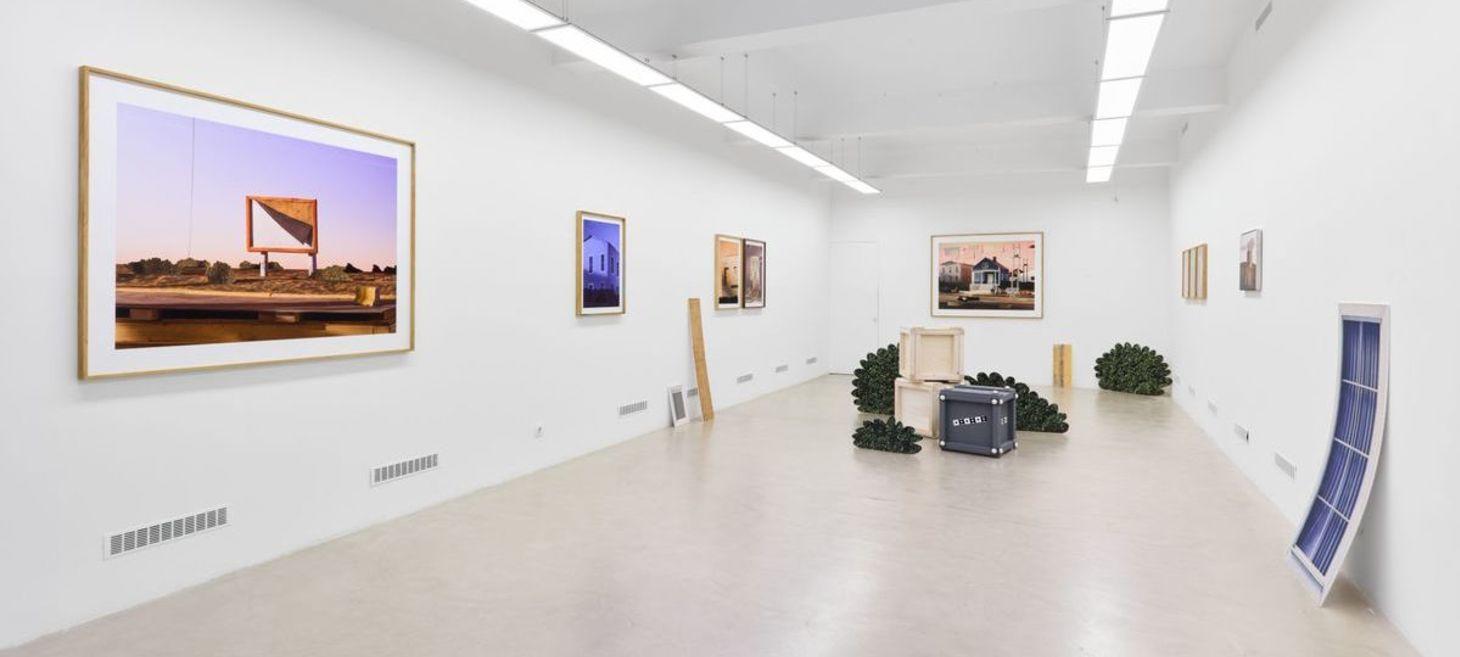
When the Camera Blinks Back: Carlo Zappella's Digital Doubles
Art Viewer's coverage of Carlo Zappella's Digital Doubles at Horizont Gallery in Budapest caught my eye — and honestly, it's a relief to encounter work about analog-digital tension that doesn't take itself too seriously. Zappella, a Vienna-born photographer who studied Fine Art Photography at the University of Applied Arts Vienna, mixes photographs, 3D renderings, and sculptures in a show that borrows its logic from VFX production: that moment when a camera shot hands off seamlessly to a digital double, and you can't quite tell where reality clocked out.
What I find genuinely refreshing here is the playfulness. Photography can be such a solemn medium — burdened with indexicality debates and authenticity hand-wringing — and Zappella just... isn't having any of that. The work aims, per the exhibition notes, to evoke
the feeling of "breaking the fourth wall" — that moment in theater or film where the production consciously acknowledges the audience through direct address.
The curatorial framing gestures at weighty ideas about perception and selfhood, and sure, fine. But honestly? I don't need the highfalutin language about reflection of the self. The fun of it is enough for me.
Is it possible that sometimes the most interesting thing art can do with technology is just wink at you?
artviewer.org
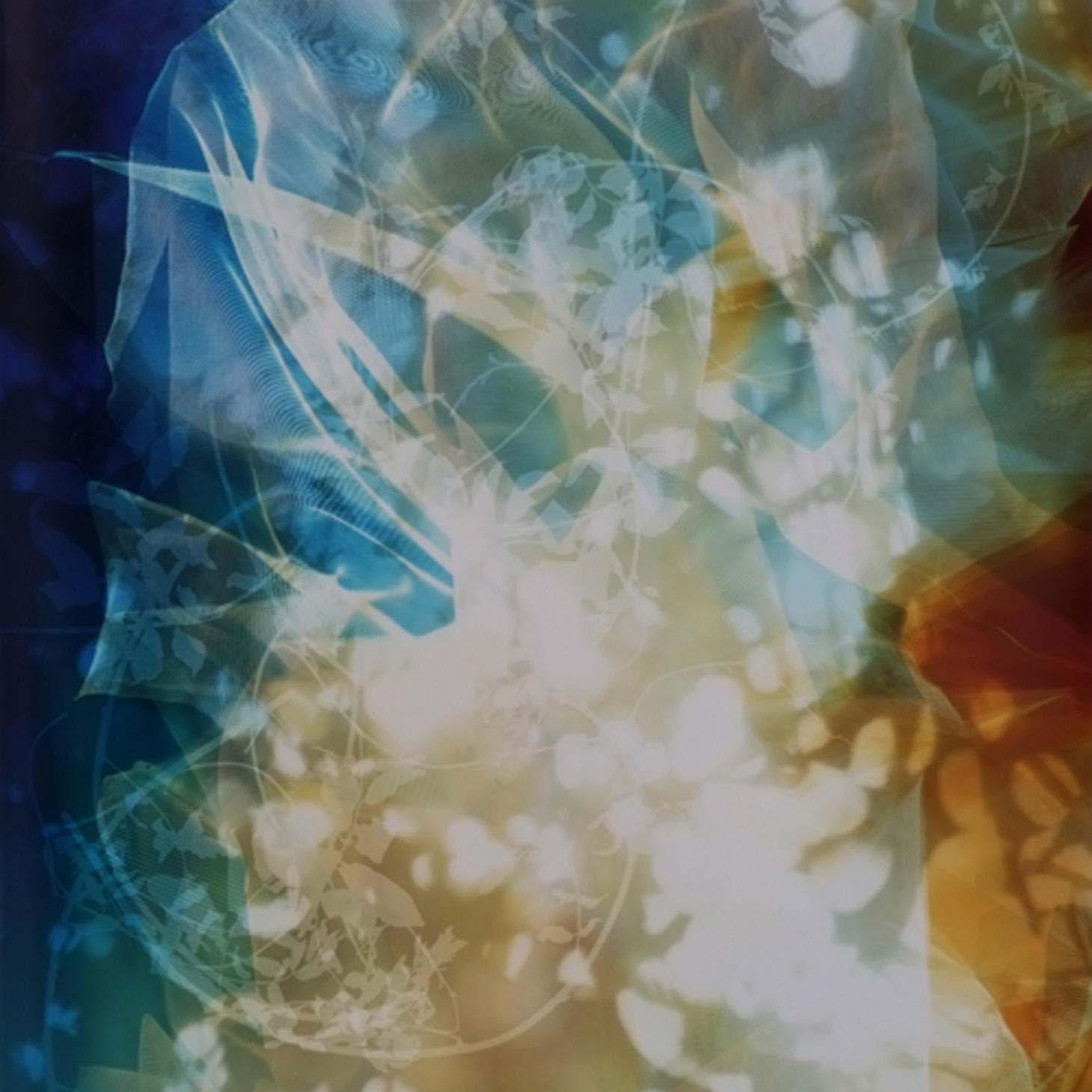
When Photographers Ditch the Camera to Fight Back Against AI
Alina Cohen's piece at Artsy Editorial traces a quiet but pointed resurgence: photographers abandoning the camera entirely, returning to photograms, expired paper, darkroom chemistry, and photocopiers. The timing is not accidental. As AI-generated images flood every feed and public trust in photography-as-document quietly collapses, a growing number of artists are leaning hard into the opposite direction — process, materiality, unpredictability, the irreducibly physical.
What strikes me is that none of this is actually new. Man Ray was placing thumbtacks and wire coils on photosensitive paper in 1920s Paris. Solarization, photograms, direct chemical printing — these have been in the toolkit for over a century. What is new is the context. When Mariah Robertson describes shaping light with her hands and a piece of cardboard, blindfolded, gambling on the result, that's not nostalgia. That's a deliberate counter-move against frictionless image generation.
"Artists who work in camera-less modes are often drawn to the medium's ability to foreground process and materiality. By removing or altering the camera, they engage photography at its most elemental — light, time, surface — while also questioning ideas of authorship, representation, and control."
What I find genuinely compelling here is how painterly this work looks. There's a texture and presence to a chromogenic photogram folded into sculptural relief that no prompt can replicate — not because AI lacks the skill, but because the whole point is the trace of a human hand, the accident, the chemistry doing something unexpected at 2am in a garage darkroom.
If AI images are the ultimate optimized output, is the future of photography deliberately, stubbornly unoptimized?
artsy.net
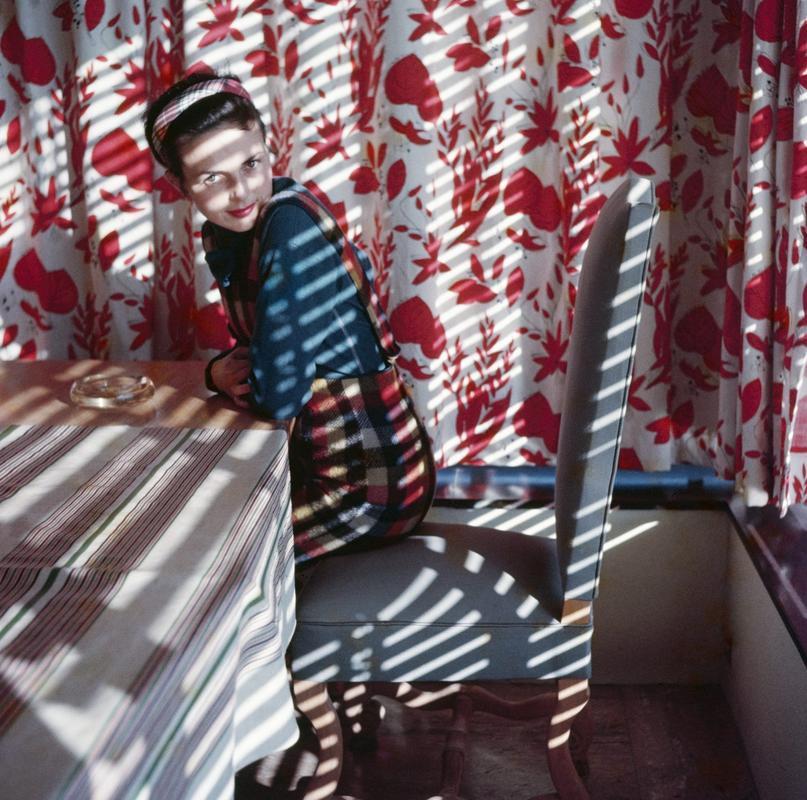
History in Technicolour: Lartigue's Hidden Color Archive Finally Sees the Light
Aesthetica Magazine covers a major new exhibition at MK Gallery dedicated to Jacques Henri Lartigue — and it's one worth paying attention to. Life in Colour presents over 150 photographs and drawings, many never publicly shown before, revealing a side of the pioneering French photographer that most people simply don't know exists. Lartigue is remembered almost exclusively for his black-and-white work, yet colour photographs account for roughly a third of his 120,000-image archive. That's not a footnote — that's a hidden chapter.
What I find genuinely enjoyable about this is how neatly it fits a pattern I keep noticing in photography's history. Every new development gets announced as the death of whatever came before. Photography was supposedly the death of painting. Colour was the death of black and white. Digital killed film. The smartphone killed the camera. And yet here we are, looking at colour photographs from the early 20th century that somehow survived all of those funerals.
"I have never taken a picture for any other reason than that at that moment, it made me happy to do so."
Lartigue said that, and it's the kind of quote that quietly dismantles about a dozen anxious arguments at once. He wasn't trying to kill anything — he was just paying attention to what delighted him, including colour at a time when the process was technically demanding and deeply unfashionable among purists.
So what does the next supposedly fatal technology actually bury — or does it just keep adding rooms to a house nobody thought needed expanding?
aestheticamagazine.com
 The Last Word
Thanks for reading this one. Photography's relationship to its own mortality is something I find genuinely hard to resolve — and I'm not sure I tried very hard to resolve it here, honestly. If you're working somewhere near this territory — as an artist, a technologist, someone who just cares about what images mean — I'd be curious what you make of it all. Hit reply. I read everything.
Best, Juergen
The Intersect: Art In Tech